
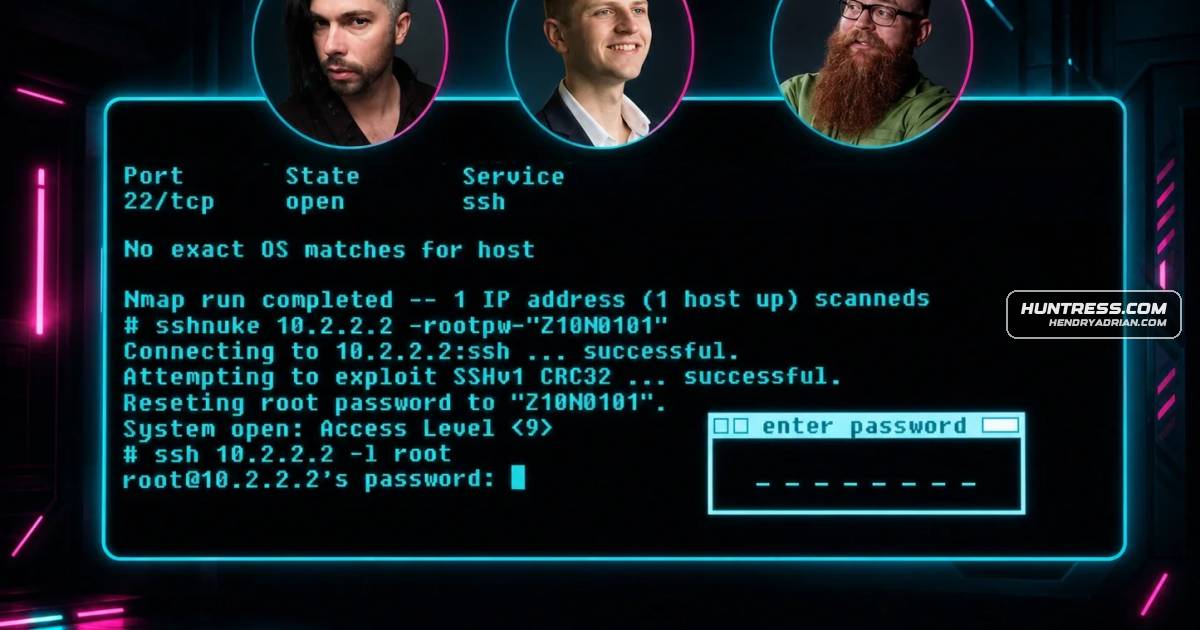
Hollywood Hacking Scenes: What Films and TV Get Right and Wrong
A Huntress webinar recap examines hacking scenes in film and TV, highlighting realistic depictions of IT scams, ransomware, and hacker tools alongside technical inaccuracies.
A Huntress webinar recap examines hacking scenes in film and TV, highlighting realistic depictions of IT scams, ransomware, and hacker tools alongside technical inaccuracies.
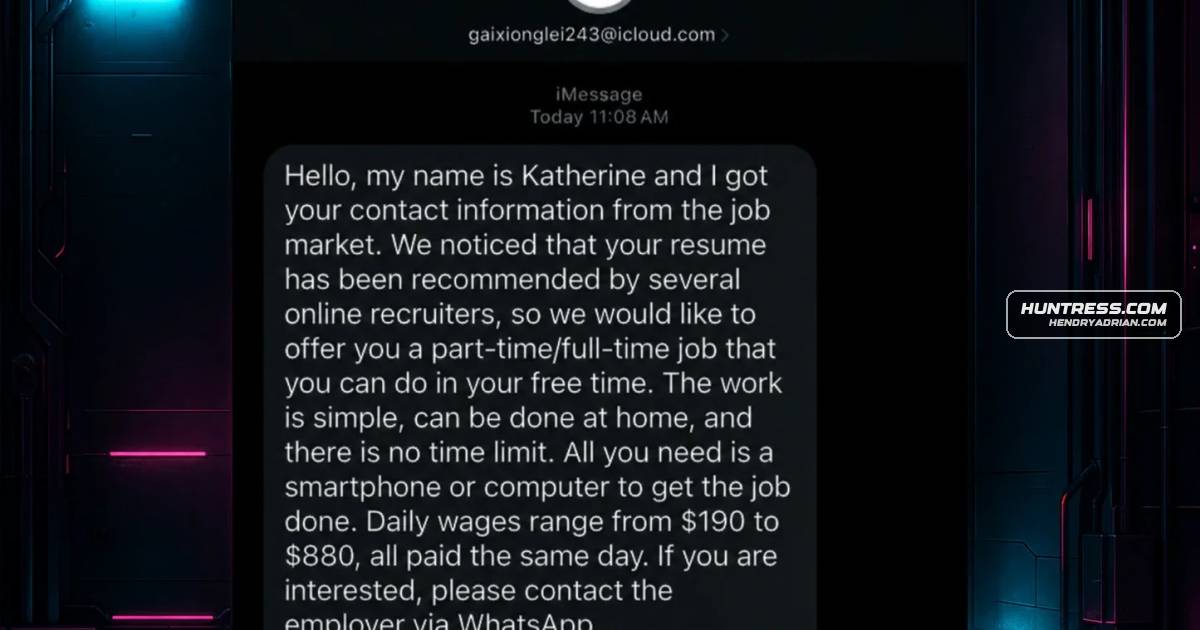
Huntress outlines recruiting-scam red flags and ways to verify job offers, including checking official channels, avoiding links in suspicious messages, and never paying fees. It also describes monitoring for impersonators and removing fake postings.
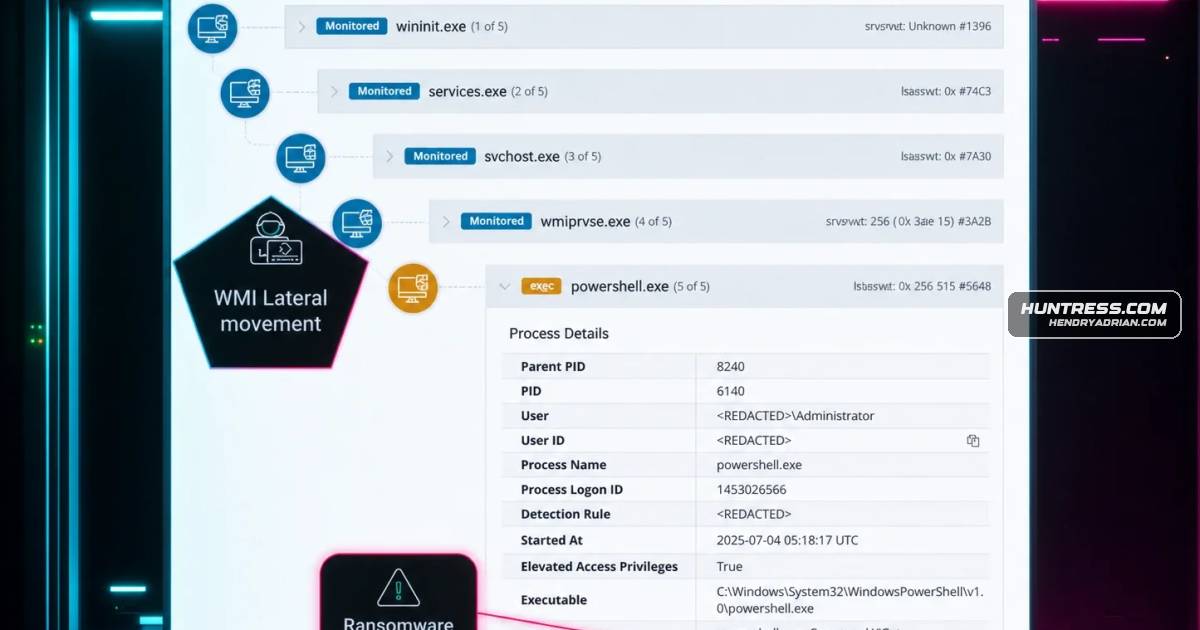
Huntress describes a ransomware intrusion using a modified script based on a 2021 playbook to disable Microsoft Defender and impair monitoring. Its SOC intervened before file encryption.
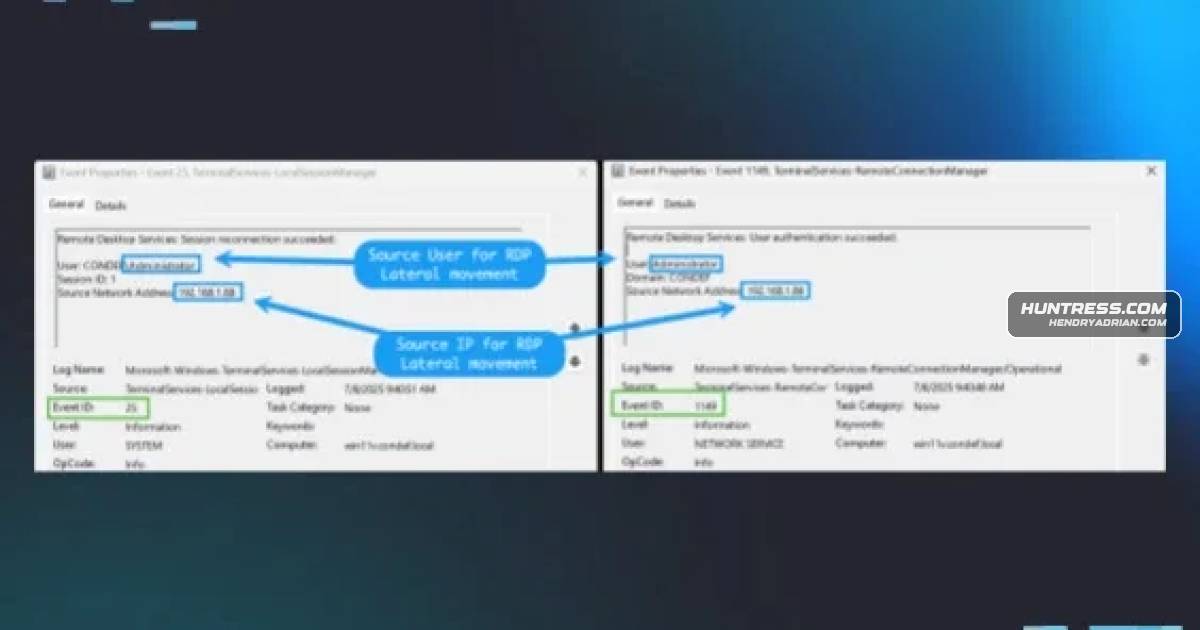
Huntress outlines practical methods for analyzing Windows authentication, credential-access and RDP logs to investigate suspicious activity, including approaches that work without a SIEM.
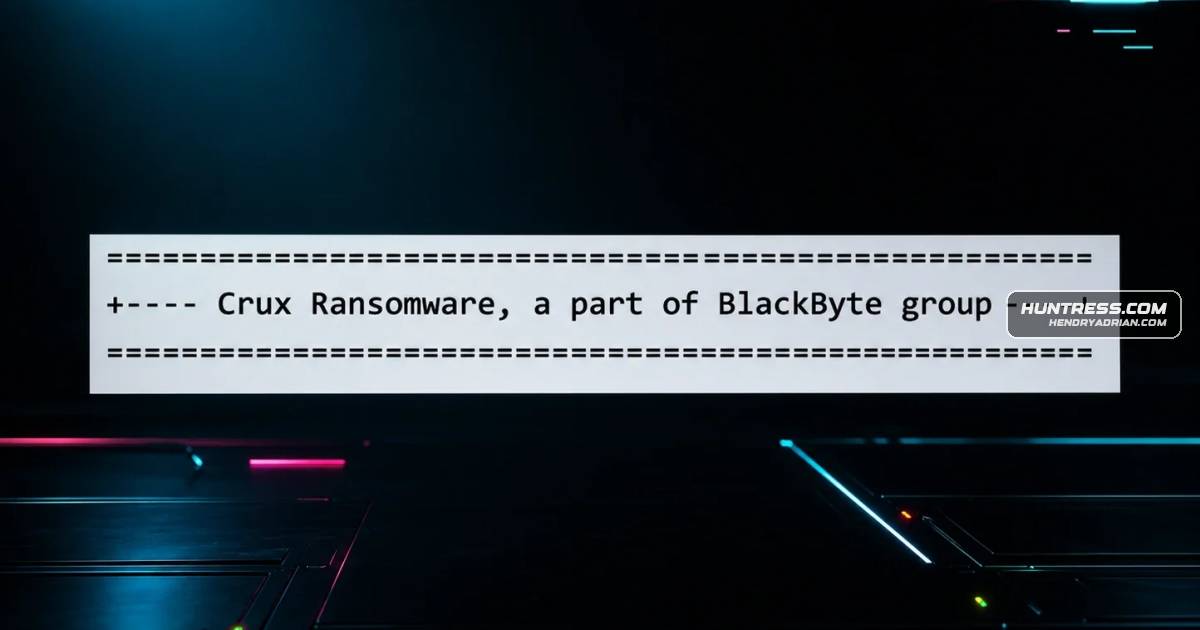
Huntress details three Crux ransomware incidents, including one apparently using valid RDP credentials. The malware used svchost.exe and bcdedit.exe to disable recovery; a claimed BlackByte link remains unvalidated.
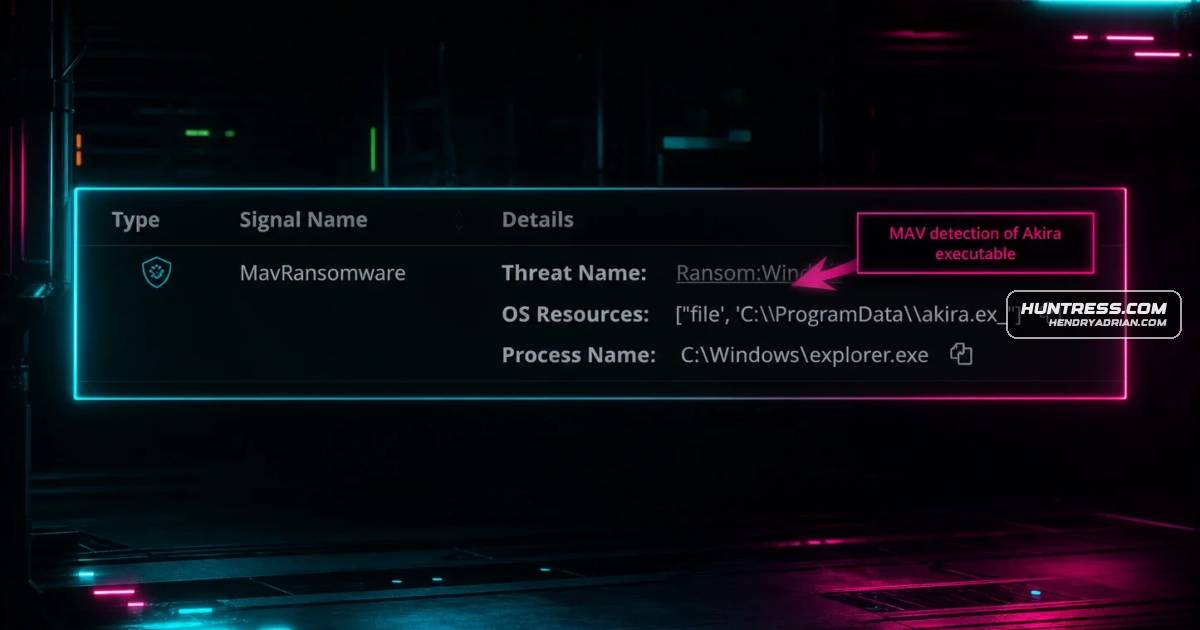
Huntress linked three attacks on MSP customers to Atera RMM access, with attackers installing Cloudflare tunnels and deploying Akira ransomware on some endpoints. Log analysis connected activity across incidents.
A Huntress survey of 542 U.S. IT professionals found malware was the most commonly reported cybercrime in respondents’ organizations, while respondents cited AI-powered social engineering as a growing concern. The article also shares risk-reduction advice.
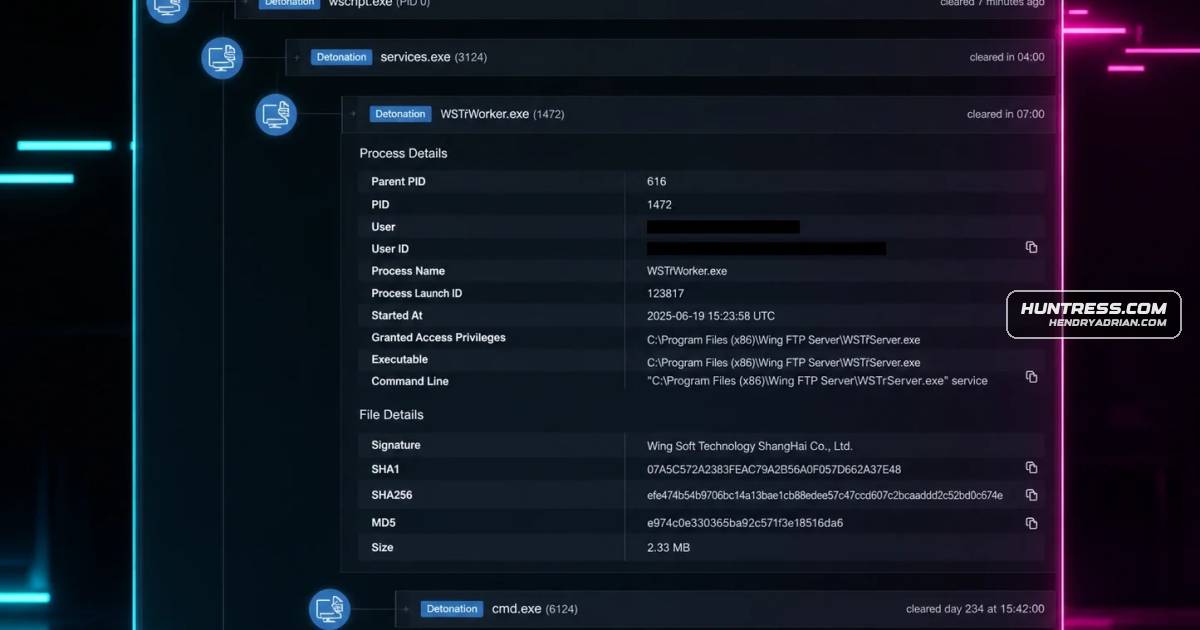
Huntress traced a July 1, 2025, Wing FTP Server RCE exploit on one customer to null-byte/Lua injection and subsequent attacker activity. Microsoft Defender blocked a downloaded beacon; Huntress recommends updating to version 7.4.4.

A U.S. court ordered OpenAI to preserve output logs that otherwise would be deleted. OpenAI appealed, citing user privacy concerns; the article discusses the order’s cybersecurity and data-protection implications.
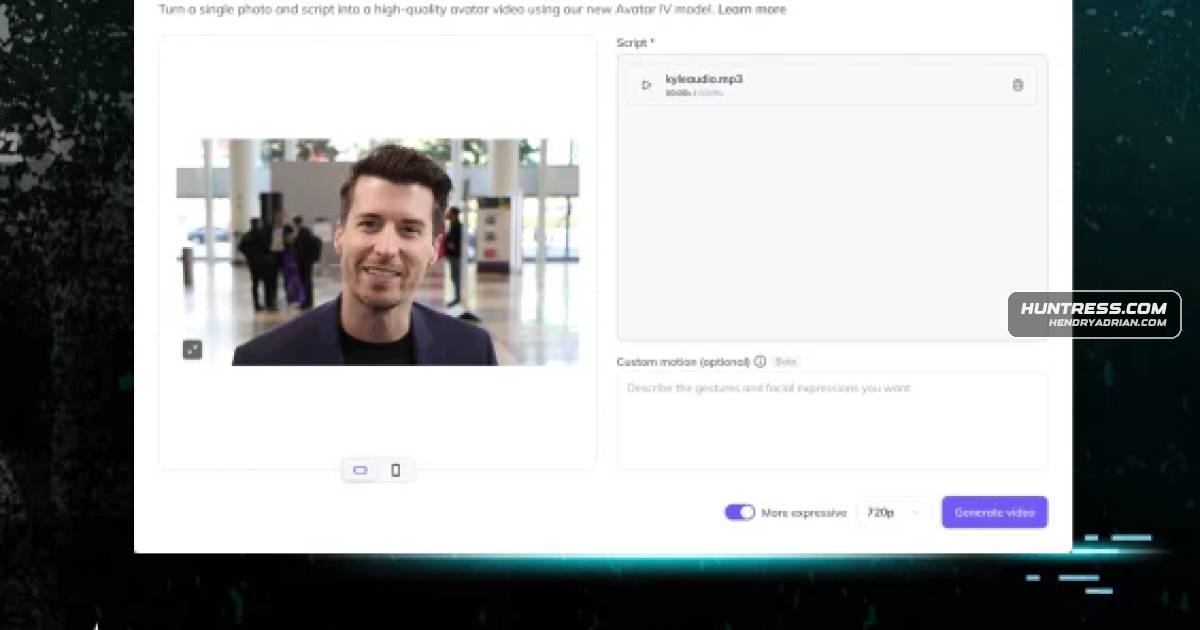
A Huntress webinar recap surveys how generative AI is used in social engineering and malware, as well as threat analysis and security operations, and explains why human review remains essential.
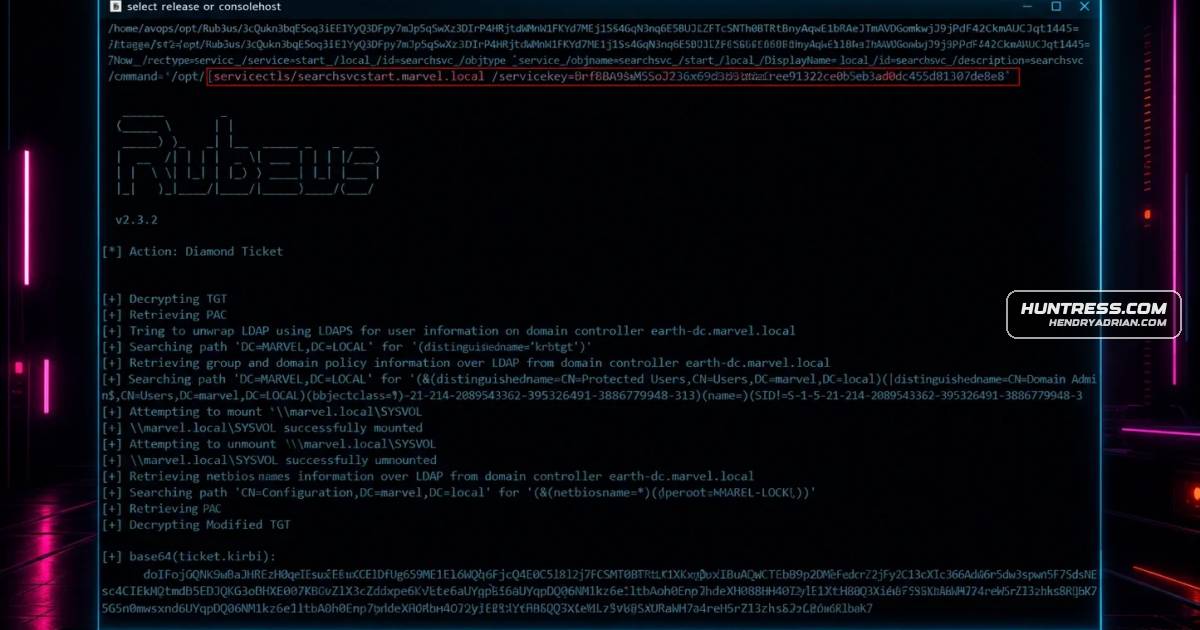
Researchers enhanced Rubeus Diamond Ticket forgery with LDAP-derived PAC data, more Windows-like Kerberos exchanges, and service-ticket support. The technique still carries detection risks, including client-to-DC traffic that bypasses LSASS.
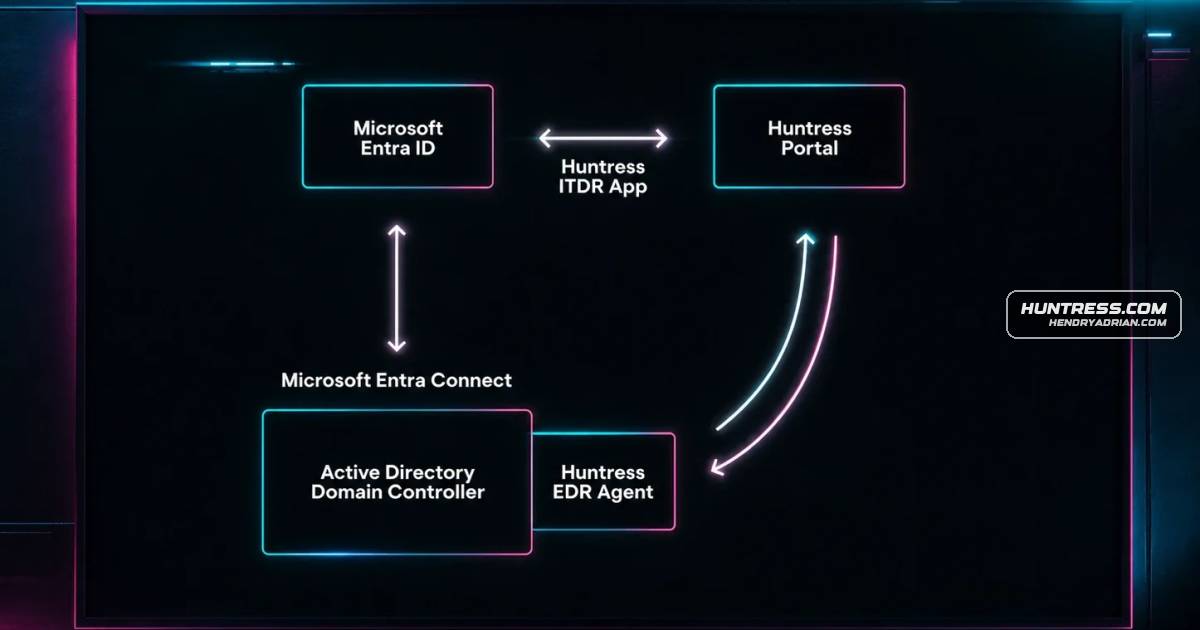
Huntress Managed ITDR can now disable and re-enable AD-synced identities in Microsoft 365 and on-premises Active Directory through an agent on domain controllers, preventing directory sync from re-enabling compromised accounts.

A cybersecurity leader shares practical approaches to hiring for creativity and communication, supporting employees’ growth, recognizing their impact, and preventing burnout through boundaries and regular time off.

Huntress attributes a cryptocurrency foundation employee’s macOS compromise to BlueNoroff with high confidence. Its investigation details a deepfake Zoom lure, persistent backdoors, process injection and malware targeting cryptocurrency wallet data.
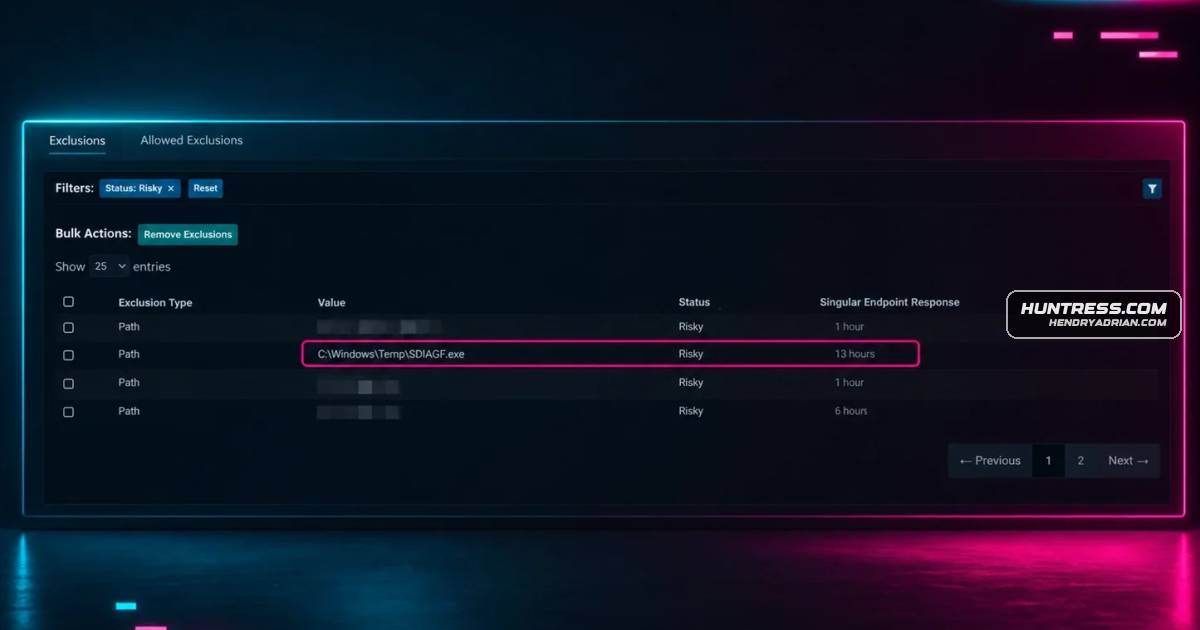
A Huntress review found a Defender exclusion for ActivTrak’s BGStart.exe on 13 hosts at a medical clinic, including a hypervisor, domain controller and X-ray machine. The clinic decided not to renew the software; Huntress reported no evidence of tenant compromise.

Huntress compiles cybersecurity findings from industry reports and surveys, highlighting credential abuse, rising vulnerability exploitation, ransomware activity, slow remediation and security staffing shortages.
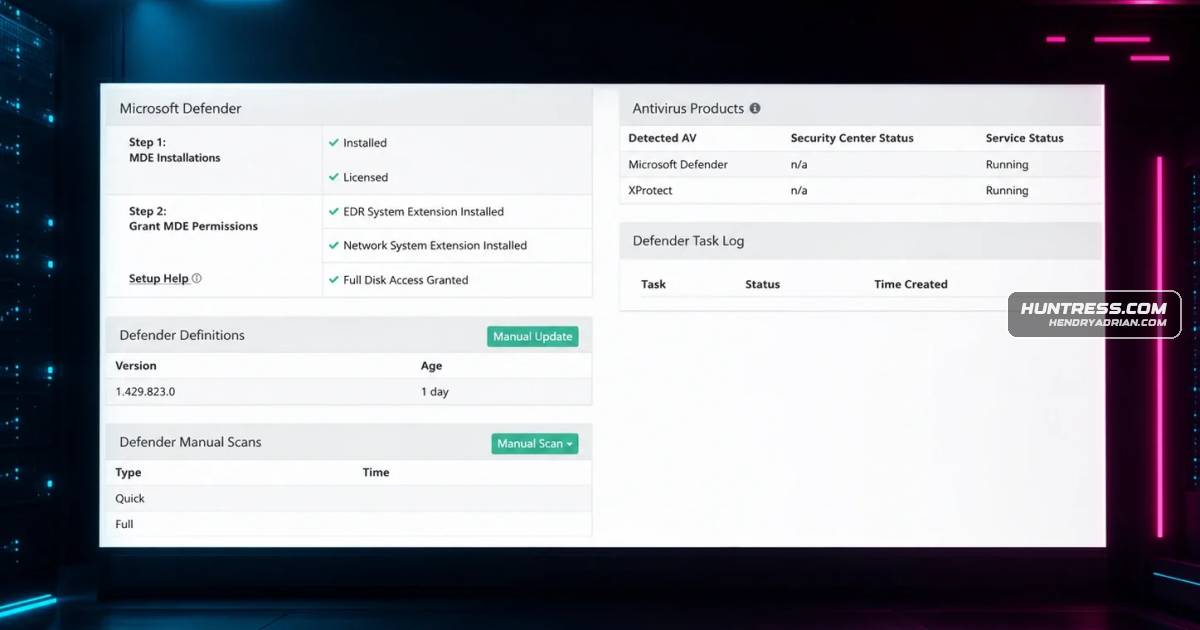
Huntress says its Managed EDR now monitors macOS XProtect and Microsoft Defender for Endpoint alerts, with its SOC investigating signals and offering response actions.

Huntress announced a security-awareness training simulator with interactive threat scenarios, starting with OSINT. The company says more than 24,000 learners completed its optional first simulation during a month of early access.

Huntress describes common attacker techniques—including brute force, VPN compromise, tunneling, credential theft, and lateral movement—and recommends practical defenses such as MFA, account cleanup, network segmentation, and monitoring.

A Huntress Tradecraft Tuesday recap explains infostealer evolution, the credentials and data they target, marketplace activity, macOS variants, recent takedowns, a detected Lumma incident, and ways businesses can reduce risk.
Huntress describes a 2025 intrusion at a market research company, with reconnaissance and credential-related registry changes on a server followed by a Mesh Agent loader on an executive’s workstation. Huntress suspects state-aligned espionage actors.
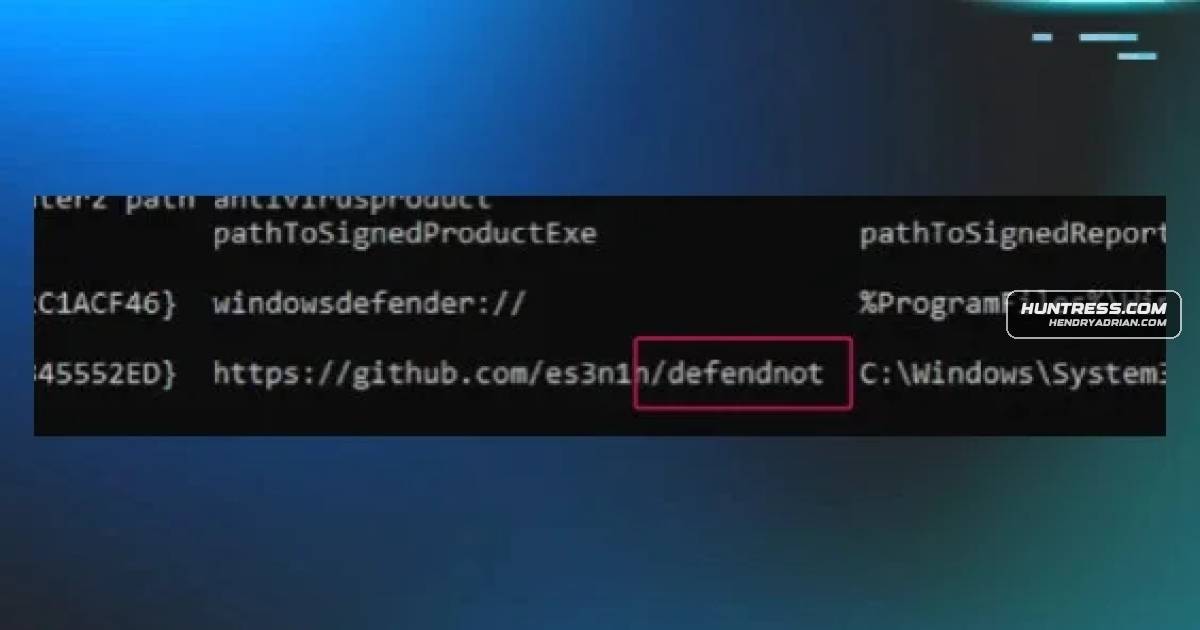
Huntress outlines detection opportunities for defendnot, which registers a fabricated antivirus through undocumented Windows Security Center APIs to disable Defender, and recommends prioritizing behavioral signals such as process injection and WSC abuse.
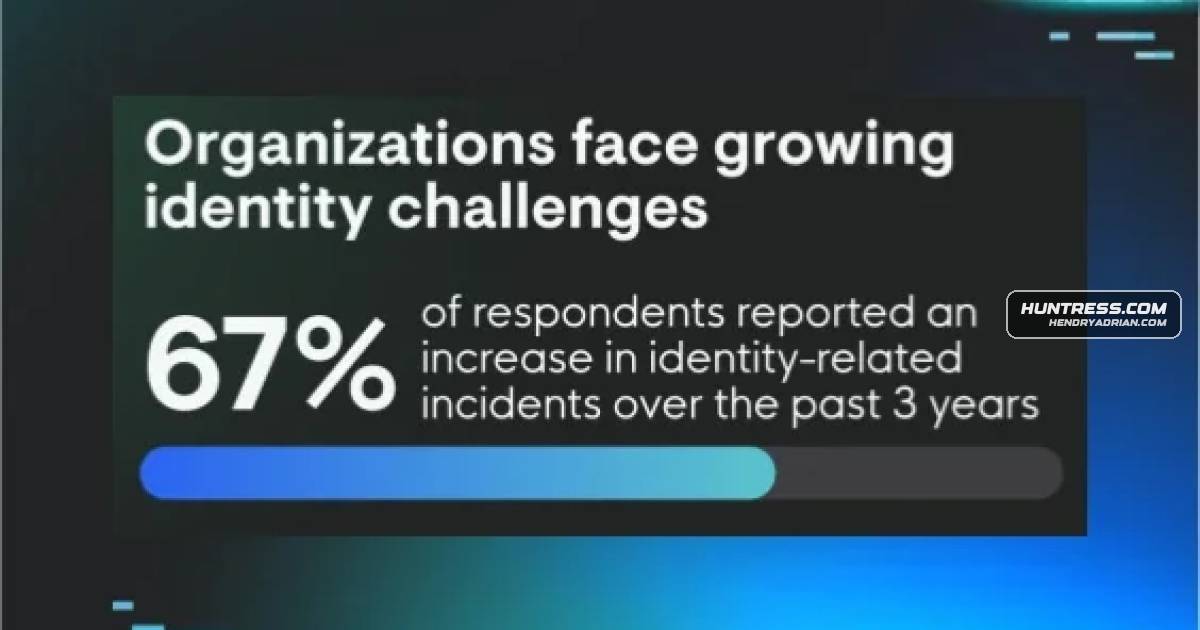
Huntress's 2025 survey of more than 600 IT and security professionals reports rising identity attacks, frequent detection delays, and significant losses, while many organizations plan to expand identity protection.

Huntress outlines ransomware attack stages and reports attackers took an average of 18 steps before deployment. It recommends early prevention, security awareness training and managed security tools.