cyber.hendryadrian.com
Login
Navigation
HomeDashboardCyber Reports

Research

Threat ResearchVulnerability & ExploitDetection & DefenseSecurity Report

News

Security NewsCyber Attack & Data BreachRansom MonitorSecurity InsightsYouTube
Sources & Credits

Entities

CVEMalwarePeopleThreat ActorsMITRE ATT&CKVendorsProductsSecurity ToolsCountriesIndustries

Threat Research

In-depth analysis of malware, threat actors, attack campaigns, techniques, and emerging cyber threats.

2492 articles

Threat Research · malwarebytes.com

Researchers Map 20,000 Fake Shops Sharing 36 IP Addresses

Researchers linked more than 20,000 fake shops through shared Sellvia-powered WordPress templates and 36 IP addresses. The stores are described as harvesting payment and personal data; the article also offers consumer safety guidance.

Mar 18, 2026
Threat Research · cyble.com

Phishing Campaign Abuses Browser Permissions to Harvest Victim Data

Cyble researchers describe a phishing framework hosted mainly on edgeone[.]app that uses browser-permission prompts to collect images, audio, video, device data and selected contacts, then sends data via Telegram bots. Script annotations suggest—but do not prove—AI use.

Mar 18, 2026
Threat Research · socradar.io

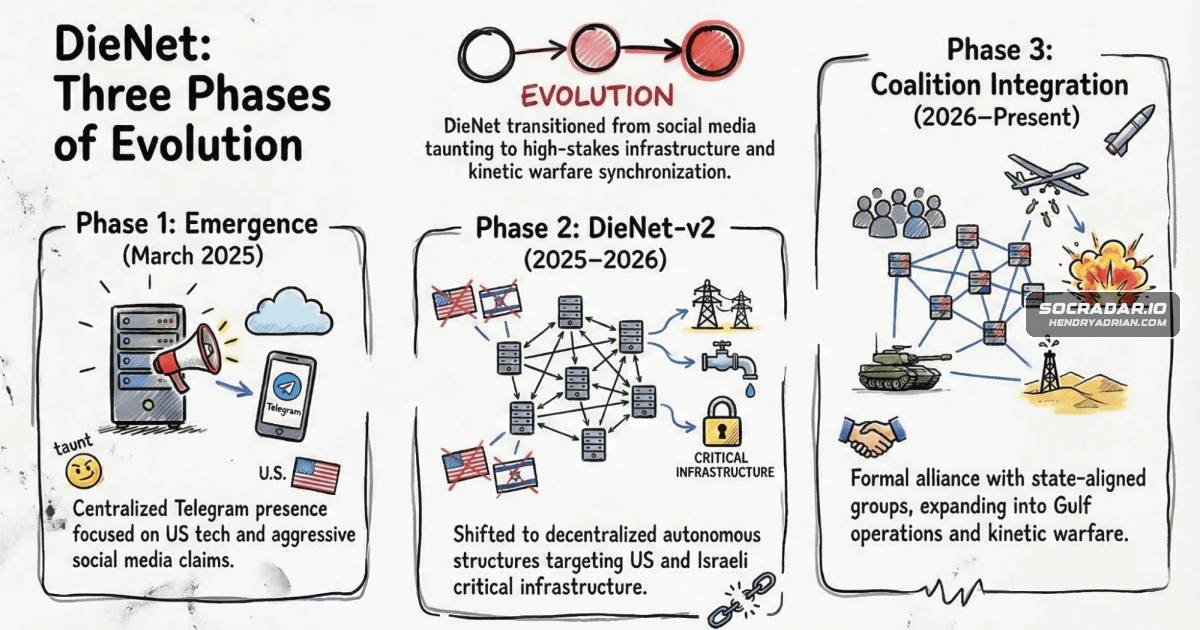
SOCRadar Profiles DieNet’s High-Volume DDoS Operations and Unverified Claims

SOCRadar profiles DieNet’s DDoS operations, reporting 59 attack claims in two days during the March 2026 escalation. It describes the group’s rented infrastructure and attack methods, while noting that its ransomware and OT/ICS claims remain unverified.

Mar 18, 2026
Threat Research · seqrite.com

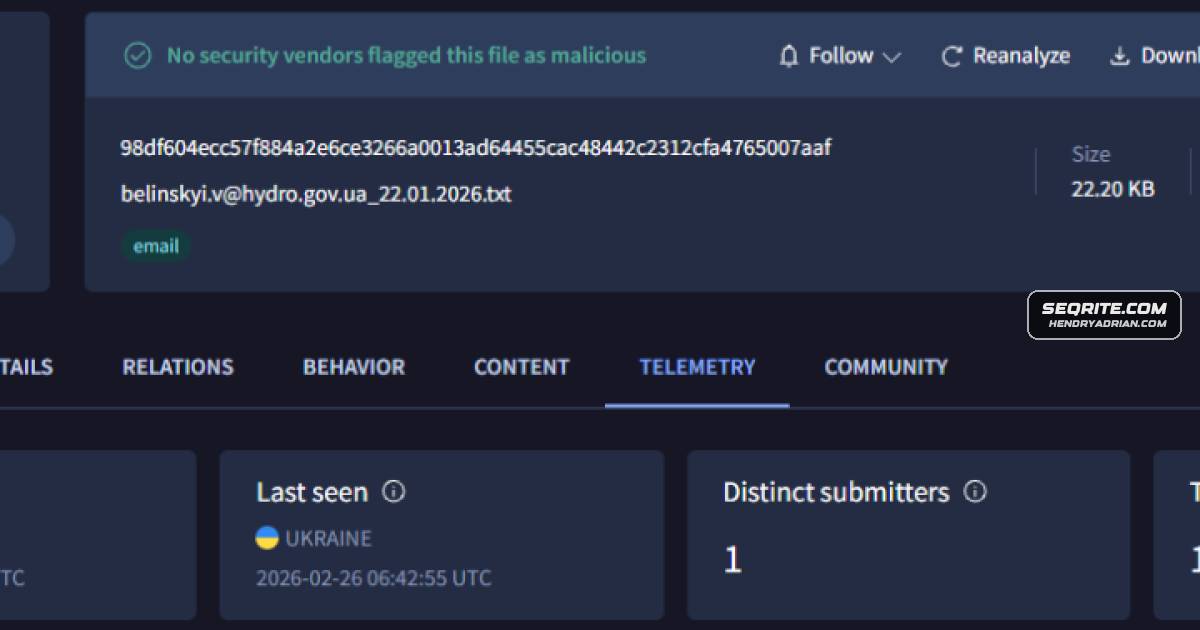
Seqrite Details Operation GhostMail Zimbra XSS Campaign Targeting Ukrainian Agency

Seqrite Labs reports that Operation GhostMail used Zimbra CVE-2025-66376 to steal account data and 90 days of mail from a Ukrainian government agency. It assesses APT28 attribution with medium confidence.

Mar 18, 2026
Threat Research · team-cymru.com

Team Cymru Maps Beast Ransomware Toolkit from Exposed Server

Team Cymru analyzed files from an exposed Beast ransomware server, mapping tools across the intrusion lifecycle. Artifacts included credential-theft utilities, exfiltration tools, backup-disabling scripts, and Windows and Linux ransomware binaries.

Mar 18, 2026
Threat Research · cloudsek.com

Ramadan Coupon Lure Delivers RAT to Middle East Retail Customers

A campaign uses a fake Ramadan coupon document to deliver a Windows RAT. Its multi-stage infection chain uses a VBA macro and C# loader, while the RAT routes file exfiltration through AWS S3 presigned URLs.

Mar 18, 2026
Threat Research · cloudsek.com

MacSync Stealer Uses SEO Poisoning and ClickFix to Target macOS Users

Researchers detail a macOS malware chain that uses poisoned search results and fake verification prompts to trick users into running a Terminal command, steal sensitive data, and tamper with Ledger Live.

Mar 18, 2026
Threat Research · zscaler.com

SnappyClient Malware Uses HijackLoader for Remote Access and Cryptocurrency Theft

ThreatLabz analyzed SnappyClient, a HijackLoader-delivered malware implant with remote-access and data-theft capabilities. Its observed activity targets cryptocurrency users, including browser credentials, wallet data, and clipboard contents.

Mar 18, 2026
Threat Research · lookout.com

DarkSword iOS Exploit Chain Targets Users Through Compromised Ukrainian Websites

Lookout researchers detail DarkSword, an iOS exploit chain used through compromised Ukrainian websites to steal personal data and cryptocurrency-related information from targeted iPhones, then quickly erase its files and exit.

Mar 18, 2026
Threat Research · acronis.com

Vidar Stealer 2.0 Spread Through Fake Game Cheats on GitHub and Reddit

Acronis TRU analyzed campaigns using fake game cheats to deliver Vidar Stealer 2.0. The investigation details the infection chains, evasion and persistence methods, data targeted, and Telegram- and Steam-based C2 discovery.

Mar 17, 2026
Threat Research · thehackernews.com

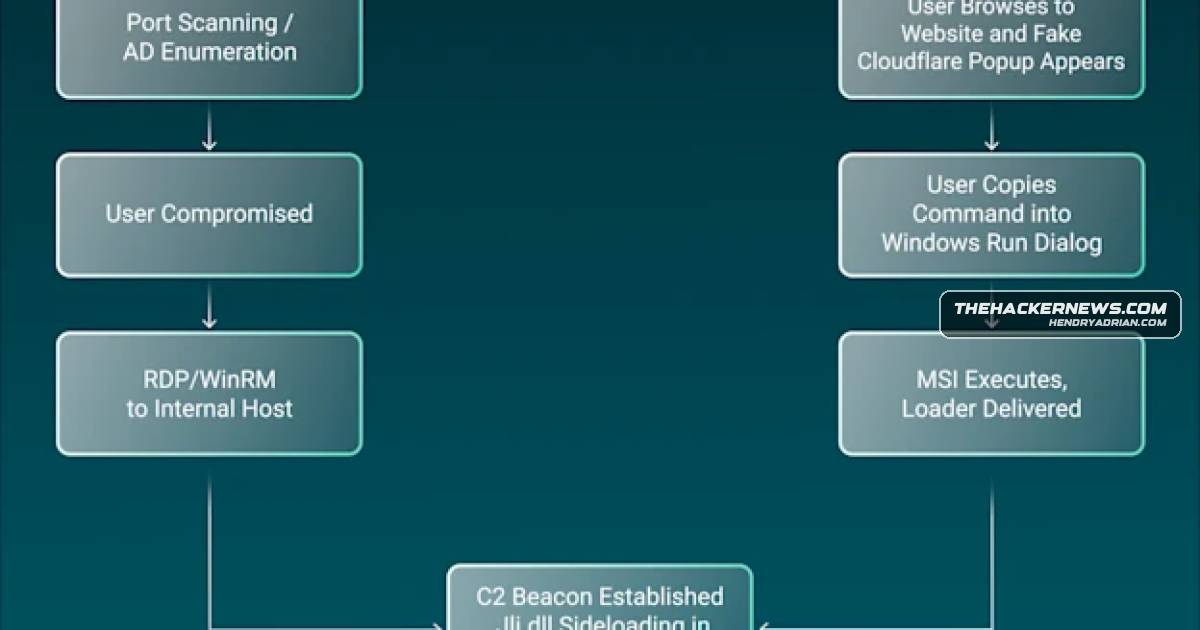
LeakNet Uses ClickFix and Deno Loader in Ransomware Attacks

ReliaQuest reports LeakNet uses ClickFix on compromised websites to deliver commands, followed by a Deno-based in-memory loader and a repeatable chain involving DLL side-loading, PsExec, S3 exfiltration, and encryption.

Mar 17, 2026
Threat Research · cisecurity.org

ZPHP Campaign Uses Fake CAPTCHAs and ClickFix to Deliver Remcos RAT to U.S. Government Organizations

CIS details a ZPHP campaign targeting U.S. state, local, tribal, and territorial organizations with fake CAPTCHA and ClickFix lures that can deliver Remcos RAT, enabling surveillance, credential theft, and remote control.

Mar 17, 2026
Threat Research · labs.k7computing.com

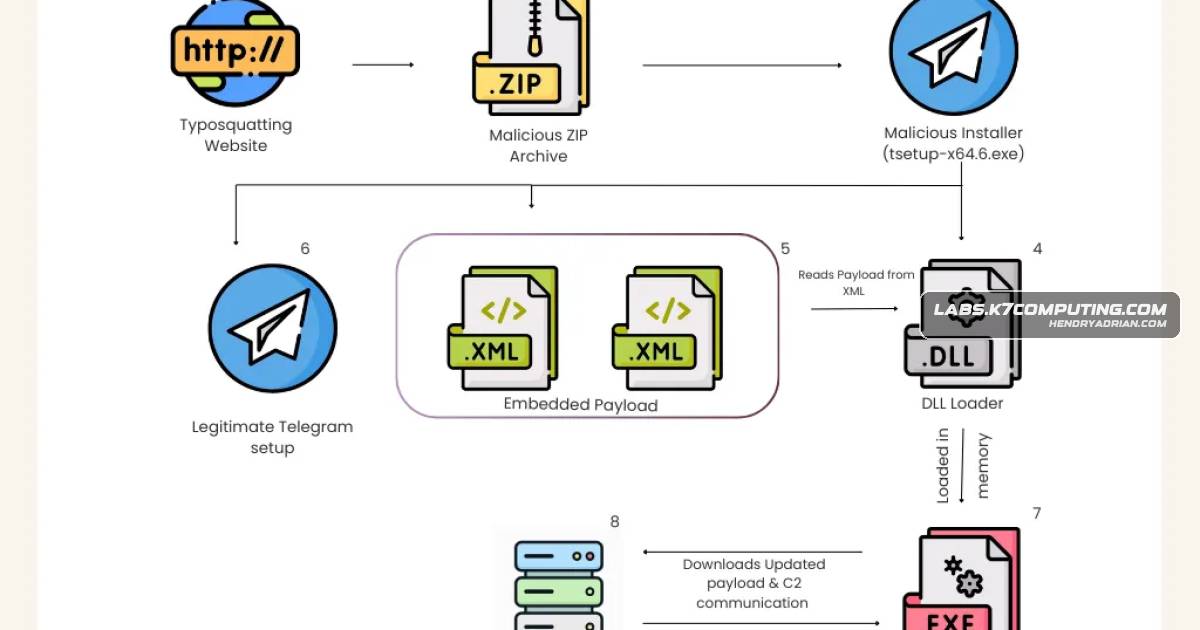
Analysis Details Fake Telegram Site Delivering Multi-Stage Malware Loader

K7 researchers analyzed a fake Telegram download campaign using a typosquatted site to deliver a staged loader that adds Windows Defender exclusions, reconstructs a PE from XML in memory, and contacts a C2 server for commands and payload updates.

Mar 17, 2026
Threat Research · proofpoint.com

Proofpoint Shows How Cursor MCP Deeplinks Can Enable User-Approved Code Execution

Proofpoint researchers demonstrated in controlled tests how social engineering and user approval of a Cursor MCP deeplink could enable command execution or installation of a malicious remote MCP server. The tests did not show a default zero-click path.

Mar 17, 2026
Threat Research · reliaquest.com

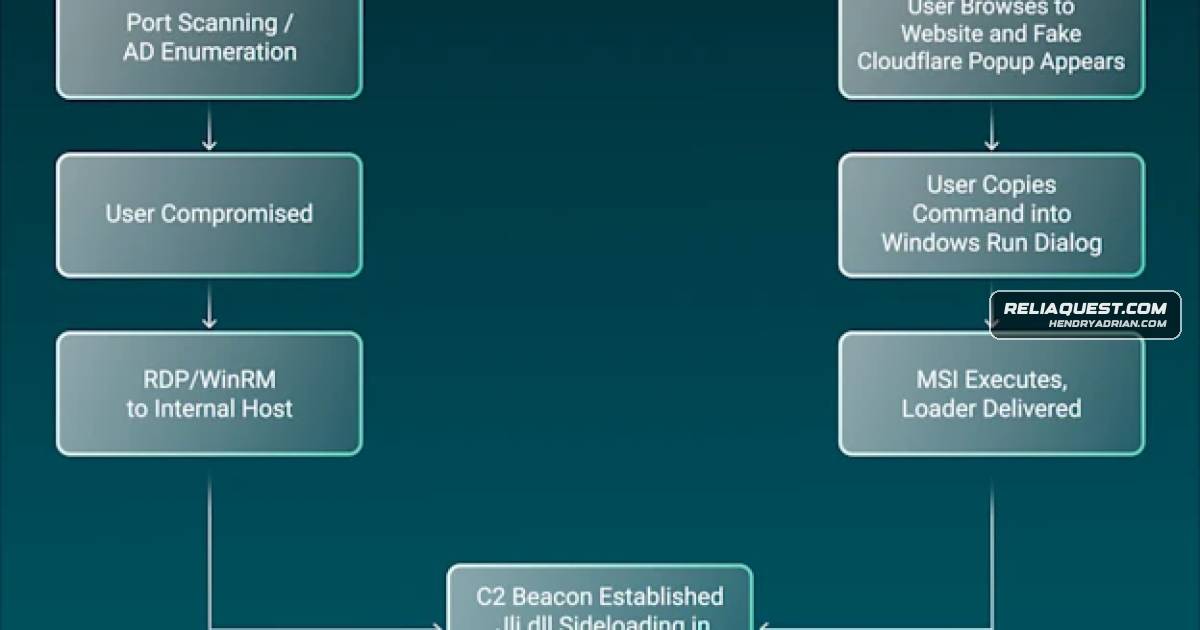
ReliaQuest Details LeakNet’s ClickFix Lures and Deno-Based In-Memory Loader

ReliaQuest reports that LeakNet is using ClickFix lures and a Deno-based in-memory loader, followed by recurring jli.dll sideloading, PsExec lateral movement, and S3 staging. A similar Deno-loader incident had inconclusive attribution.

Mar 17, 2026
Threat Research · unit42.paloaltonetworks.com

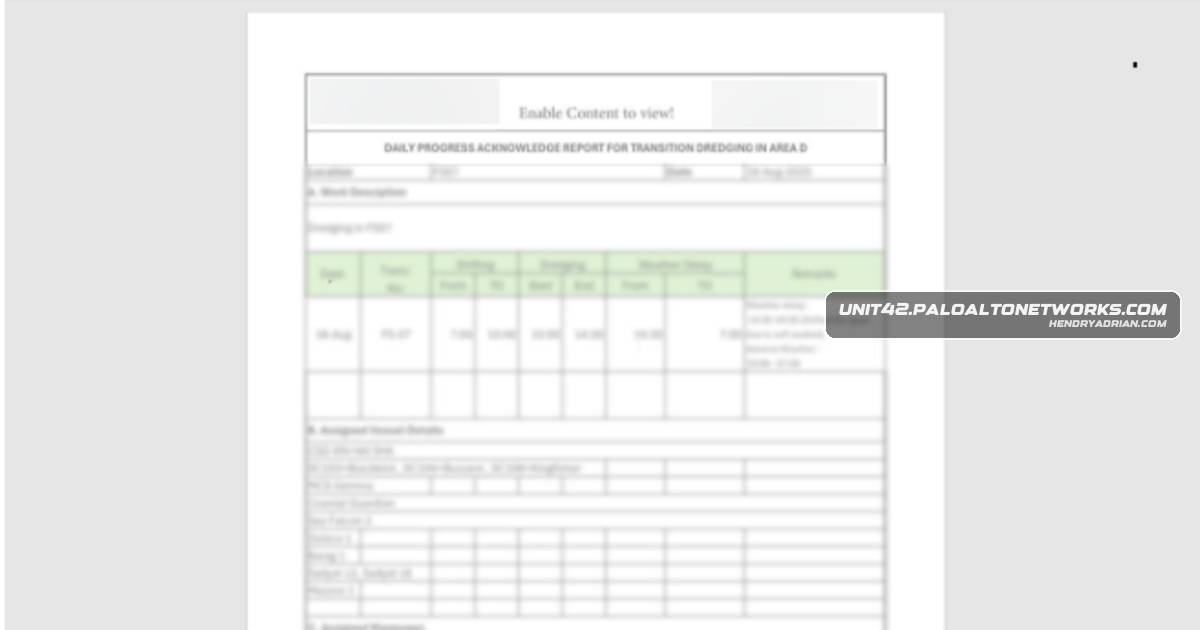
Unit 42 Details Boggy Serpens’ Trusted-Account Attacks and Malware

Unit 42 reports Boggy Serpens shifted toward hijacked trusted accounts and tailored phishing, detailing four campaign waves against a UAE marine and energy company and malware including Rust-based BlackBeard and LampoRAT.

Mar 17, 2026
Threat Research · malwarebytes.com

Fake CAPTCHA Pages on Compromised WordPress Sites Deliver Vidar Infostealer

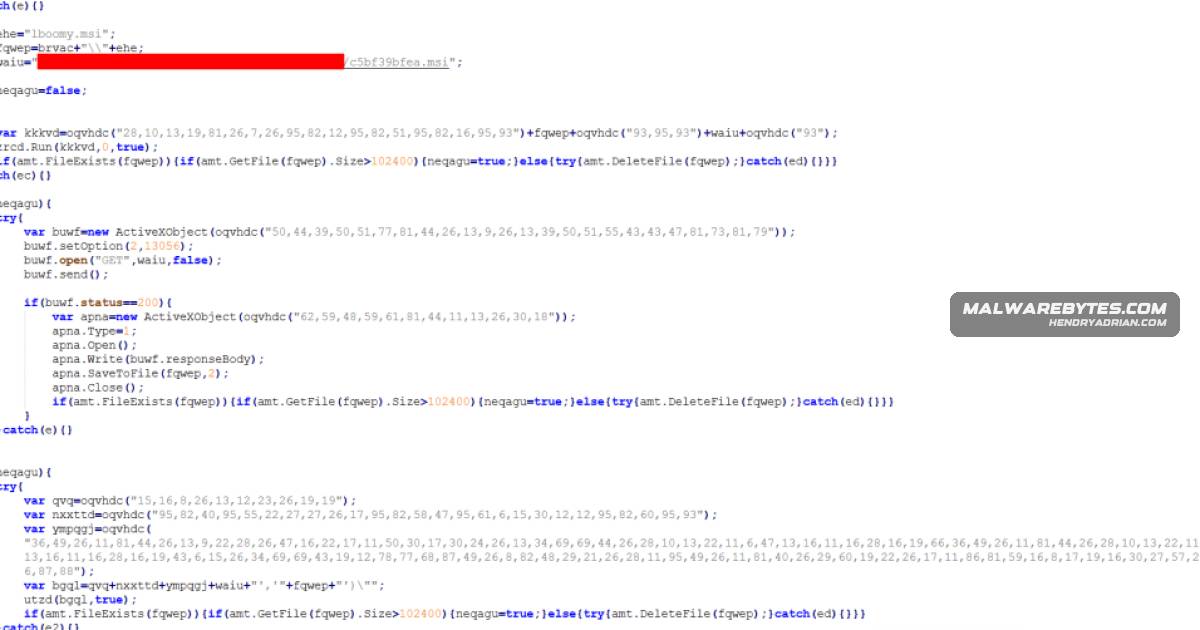
Researchers traced a ClickFix campaign from fake CAPTCHA pages on compromised WordPress sites through an obfuscated HTA, malicious MSI, and Go loader to Vidar, which targets credentials, tokens, wallet data, and files.

Mar 17, 2026
Threat Research · stepsecurity.io

Step Security Details bittensor-wallet 4.0.2 Backdoor That Exfiltrates Keys

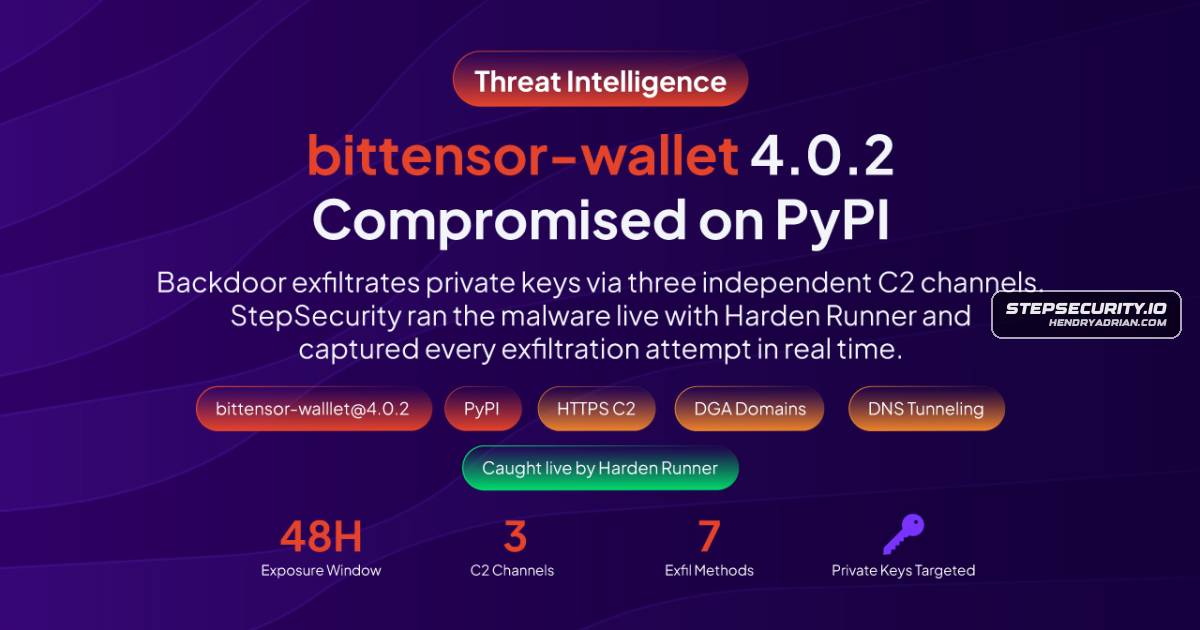
Step Security reports that compromised PyPI package bittensor-wallet 4.0.2 was available for about 48 hours. Its analysis and controlled test describe a Rust backdoor triggered by key decryption that used multiple C2 methods to exfiltrate encrypted key data.

Mar 17, 2026
Threat Research · cloudsek.com

LSPosed Module Fakes SIM-Binding Checks to Enable Mobile Payment Fraud

CloudSek describes an Android threat that uses LSPosed to spoof phone identity, intercept registration SMS and inject fake sent-message records, enabling attackers to bypass SIM-binding checks in Indian mobile payment apps.

Mar 17, 2026
Threat Research · hunt.io

Open Directory Exposes 15-Node Relay Network and SSH-Deployed DDoS Botnet

Researchers traced an exposed Iranian-hosted directory to a 15-node relay network and an SSH-driven botnet that compiled DDoS tools on recruited hosts. The operator also used the infrastructure for censorship-bypass tunneling.

Mar 17, 2026
Threat Research · securelist.com

GoPix Banking Trojan Uses In-Memory Implants to Intercept Brazilian Financial Transactions

Kaspersky researchers detail GoPix, a Brazilian banking trojan delivered through malvertising. It uses obfuscated PowerShell and in-memory browser implants to manipulate Pix, Boleto and cryptocurrency transactions and intercept HTTPS traffic.

Mar 16, 2026
Threat Research · cofense.com

Phishers Abuse LiveChat to Impersonate PayPal and Amazon and Harvest Sensitive Data

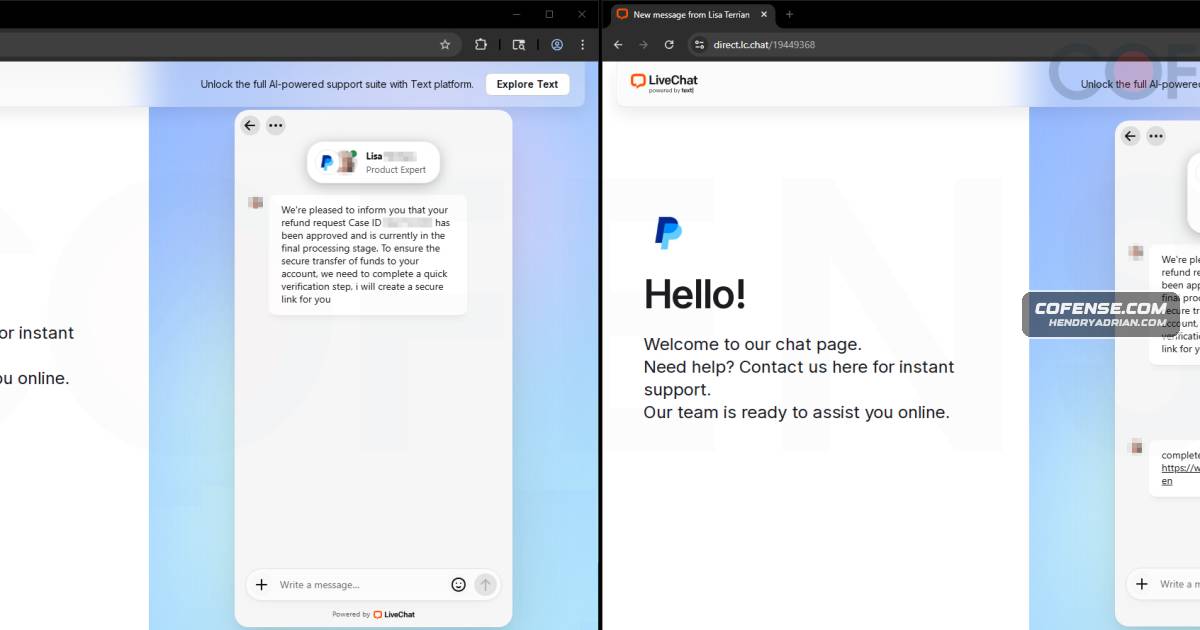
Cofense PDC describes phishing campaigns abusing LiveChat pages to impersonate PayPal and Amazon. Chat flows harvest credentials, MFA codes, card data and PII; the report details redirect and form stages but does not report confirmed victim compromise.

Mar 16, 2026
Threat Research · securityweek.com

Phishing Chain Targeting Outpost24 Executive Was Blocked

Specops says a phishing attempt targeting an Outpost24 C-level executive was blocked before compromising systems or affecting users. The chain used trusted Cisco and Nylas redirects and a Microsoft 365 credential-harvesting page; attribution remains unclear.

Mar 16, 2026
Threat Research · thecyberexpress.com

GlassWorm Expands Through Malicious Open VSX Extensions

Researchers identified at least 72 additional malicious Open VSX extensions linked to GlassWorm, including transitive delivery via extensionPack and extensionDependencies. The loader retains Solana memo dead drops and adds RC4/base64 obfuscation and header-based keys.

Mar 16, 2026
PreviousPage 78 of 104 Next
© 2026 cyber.hendryadrian.com