cyber.hendryadrian.com
Login
Navigation
HomeDashboardCyber Reports

Research

Threat ResearchVulnerability & ExploitDetection & DefenseSecurity Report

News

Security NewsCyber Attack & Data BreachRansom MonitorSecurity InsightsYouTube
Sources & Credits

Entities

CVEMalwarePeopleThreat ActorsMITRE ATT&CKVendorsProductsSecurity ToolsCountriesIndustries

Threat Research

In-depth analysis of malware, threat actors, attack campaigns, techniques, and emerging cyber threats.

2386 articles

Threat Research · thehackernews.com

Lazarus Uses Windows Zero-Day in Dream Job Campaign to Deploy Troy Backdoor

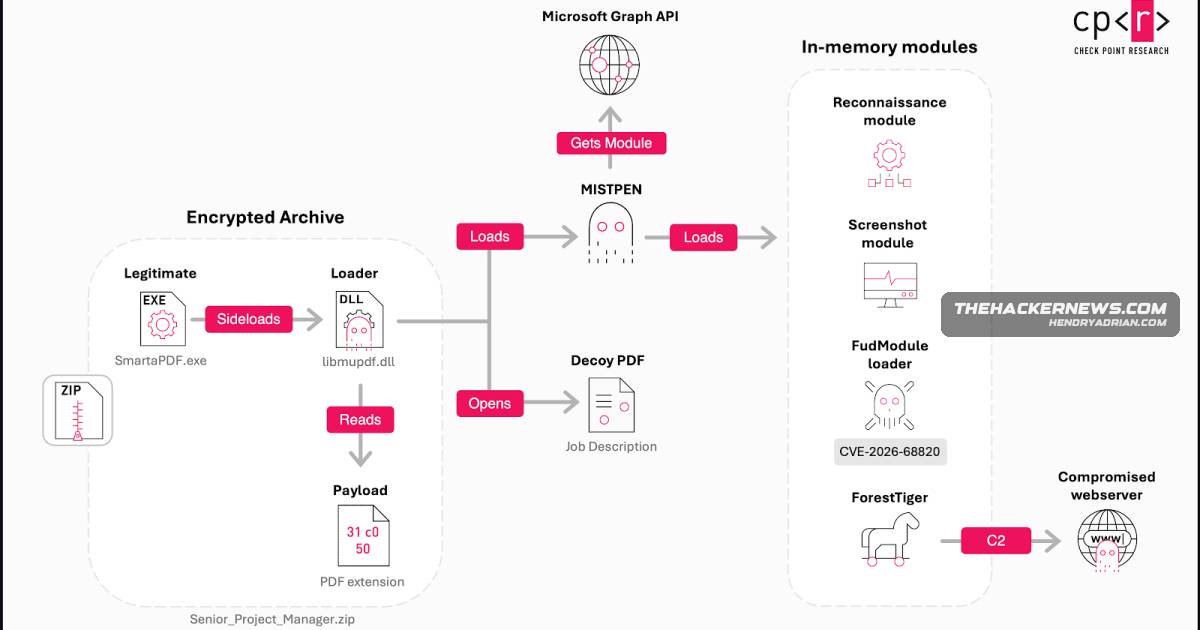
Check Point Research attributes attacks on defense and aerospace targets in four countries to Lazarus Group, reporting exploitation of Windows CVE-2026-68820 in Operation Dream Job to deliver Troy, MISTPEN, ForestTiger and FudModule 3.1.

Aug 13, 2026
Threat Research · jamf.com

AmnesiaStealer Uses ClickFix to Steal macOS Data and Hijack Browser Sessions

Jamf Threat Labs analyzed AmnesiaStealer, a three-stage macOS infostealer spread through ClickFix. It collects credentials and data, while a second module enables hidden, operator-controlled browser sessions; several attempted macOS bypasses failed in testing.

Aug 13, 2026
Threat Research · huntress.com

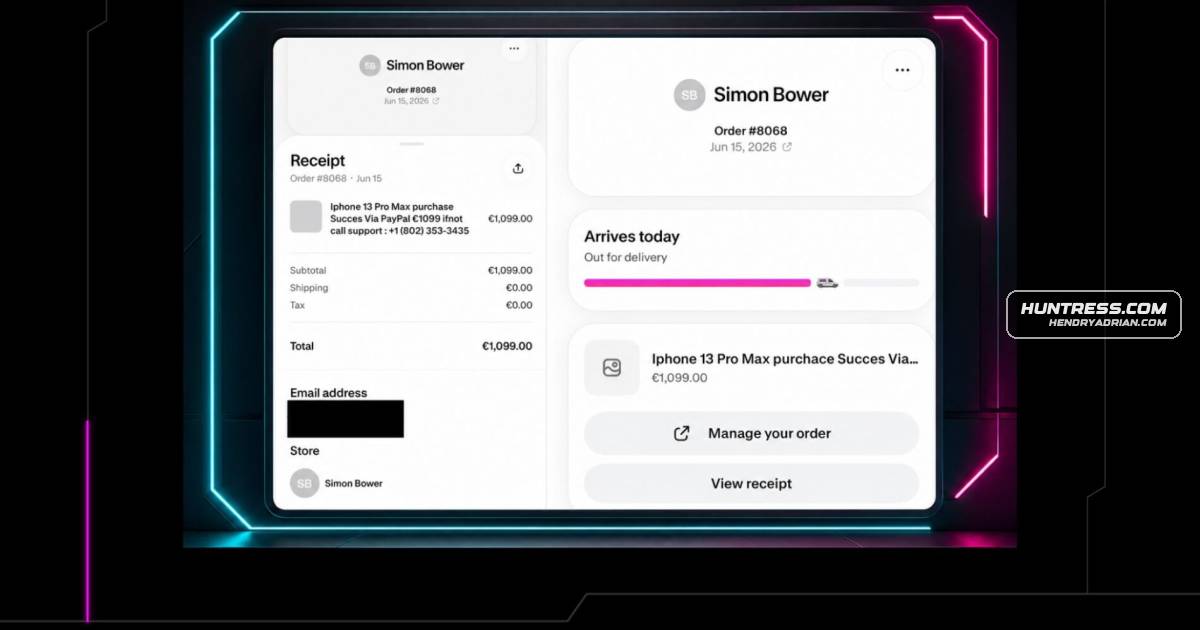
Scammers Abuse Shopify Shop Notifications to Deliver Fake Refund Lures

Scammers use Shopify’s Shop notifications to send fake order alerts with callback numbers, leading victims into refund scams. Huntress advises users to avoid unfamiliar contact details in orders and report suspicious purchases.

Aug 13, 2026
Threat Research · acronis.com

PATCHCORD Malware Campaign Targets Afghan Telecom and South Asian Critical Infrastructure

Acronis researchers detail a campaign targeting telecom, government, defense, and energy organizations in South Asia with PATCHCORD, SHEETCORD, and HACKERAI malware, assessing moderate-confidence links to APT36. Campaign infrastructure remained active at publication.

Aug 13, 2026
Threat Research · security.com

Jewelbug APT Ran Government Espionage and Crypto Fraud from Shared Infrastructure

Symantec researchers detail Jewelbug’s espionage and crypto-fraud operations, including its browser and endpoint implants, government webmail watering-hole campaign, and database records of more than one million implant check-ins.

Aug 13, 2026
Threat Research · bleepingcomputer.com

Plug and Pwn Attacks Abuse Windows PnP and RDP USB Redirection for SYSTEM Access

Researchers demonstrated Plug and Pwn attacks that use emulated USB devices or RDP USB redirection to trigger Windows installation of vulnerable vendor packages and gain SYSTEM access, even on fully updated systems.

Aug 12, 2026
Threat Research · securelist.com

Project CAV3RN Uses DNS to Switch Between HTTPS and Google Apps Script C2

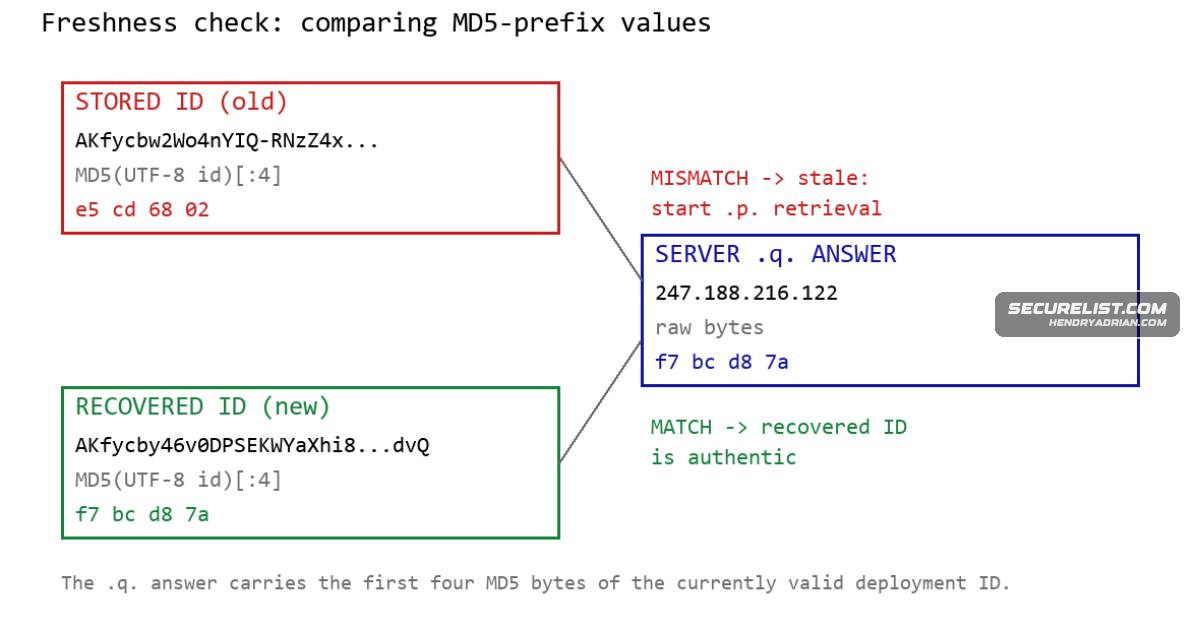
Analysis of Project CAV3RN, observed targeting Israel, details GoogleService.dll and rnp.dll, DNS-based selection between direct HTTPS and a Google Apps Script relay, and brokered module loading and upgrades.

Aug 12, 2026
Threat Research · securityweek.com

Check Point: Lazarus-Linked Campaign Exploited Windows Zero-Day CVE-2026-68820

Check Point reports that a Lazarus-linked campaign targeting defense and aerospace organizations used Windows zero-day CVE-2026-68820 and several backdoors. Microsoft patched the flaw on August 11; CISA added it to its KEV catalog.

Aug 12, 2026
Threat Research · malwarebytes.com

Fake CCleaner Installers Deliver GhostDesk Chrome Spyware

A technical investigation found fake CCleaner and other installers using a CScript-based chain to modify Chrome and install GhostDesk, which can capture keystrokes, form data, cookies, and screenshots.

Aug 12, 2026
Threat Research · kudelskisecurity.com

Research Links DPRK-Linked IT Workers to Gambling Networks and Emotet Activity

Kudelski Security researchers link stealer-log evidence, gambling operations and infrastructure to DPRK-related actors, and assess that a fake IT worker manager used IPs associated with Emotet delivery. Several attribution and location findings remain uncertain.

Aug 12, 2026
Threat Research · huntress.com

Akira Affiliate Rebooted a Compromised Host into Safe Mode to Disable EDR

Huntress analyzed an Akira intrusion that used an MFA-less SonicWall VPN and Safe Mode to disable EDR. The ransomware failed to encrypt files, but attackers had already exfiltrated credentials and file shares.

Aug 12, 2026
Threat Research · varonis.com

Entra ID WS-Trust Endpoint Can Enable Password Spraying Beyond Smart Lockout

Testing found that Entra ID’s legacy WS-Trust autologon endpoint can bypass expected Smart Lockout and standard sign-in logging while revealing valid passwords, including on accounts where MFA or Conditional Access blocks sign-in.

Aug 12, 2026
Threat Research · cofense.com

Invitation-Themed Phishing Emails Deliver Malware and Steal Credentials

Cofense reports a sustained rise in invitation-themed phishing since early 2025. Campaigns spoof event services to steal credentials or deliver remote-access tools, with some links choosing a payload based on the recipient’s device.

Aug 12, 2026
Threat Research · socket.dev

Socket Links 737 Chrome VPN Extensions to Brand Impersonation and Traffic Redirection

Socket reports that 520 of 522 analyzed extensions routed browser traffic through shared SOCKS5 proxies. The campaign included 274 extensions impersonating 66 brands, and the investigation documented evasion, subscription fraud, and post-review code changes.

Aug 11, 2026
Threat Research · cert-agid.gov.it

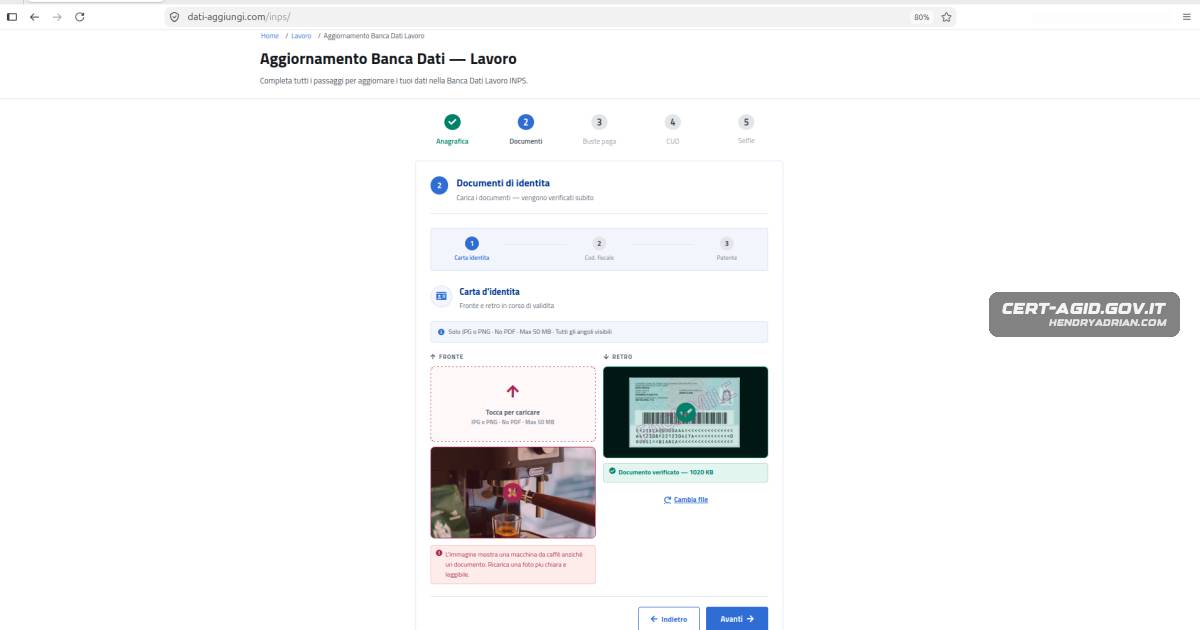
CERT-AGID Finds AI Document Checks and Visual Instruction Flaw in INPS Phishing Site

CERT-AGID analyzed an INPS-themed phishing site that used AI to check uploaded documents. Tests found it accepted a fake ID and that instructions embedded in images could affect its responses; takedown procedures were initiated.

Aug 11, 2026
Threat Research · securelist.com

Kaspersky Reports Head Mare Exploiting TrueConf Server to Deploy PhantomCore and PhantomGraph

Kaspersky reports Head Mare exploited two TrueConf Server flaws for SYSTEM-level access, planted a web shell and replaced client installers with PhantomCore; it also deployed PhantomGraph. Targets included Russian organizations; patches were released June 18, 2026.

Aug 11, 2026
Threat Research · research.checkpoint.com

Lazarus Uses AFD.sys Zero-Day in Operation Dream Job Campaign Targeting Defense Sector

Check Point researchers detail a Lazarus campaign using job lures, trojanized PDF viewers, and compromised web servers to target defense organizations. The operation exploited Windows AFD.sys CVE-2026-68820, which Microsoft patched on August 11, 2026.

Aug 11, 2026
Threat Research · unit42.paloaltonetworks.com

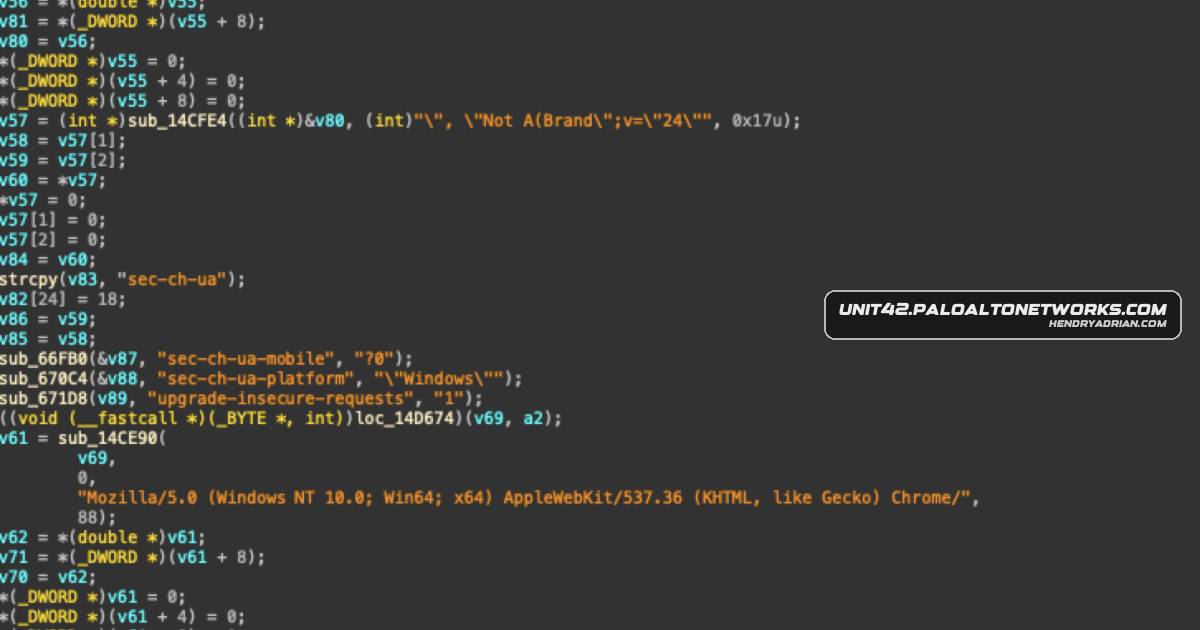
Unit 42 Details Kimwolf v7 Botnet’s HTTP/2 DDoS and Resilient C2

Unit 42 analyzes Kimwolf v7, an Android/IoT botnet targeting TV boxes. It adds HTTP/2 DDoS traffic with browser fingerprints and resilient C2 using ENS, Tor and a local proxy; researchers also detail ADB propagation and infrastructure.

Aug 11, 2026
Threat Research · asec.ahnlab.com

PhantomStealer Campaign Uses BYOVD to Disable Security Tools and Steal Data

AhnLab details a phishing campaign that delivers PhantomStealer through a malicious quote-review attachment. An injector uses UAC elevation and a vulnerable driver to disable security tools before stealing credentials, cookies, wallet data, and other information.

Aug 11, 2026
Threat Research · netskope.com

Chrome Extension Resumes Malicious Updates, Redirecting Users to Affiliate Links

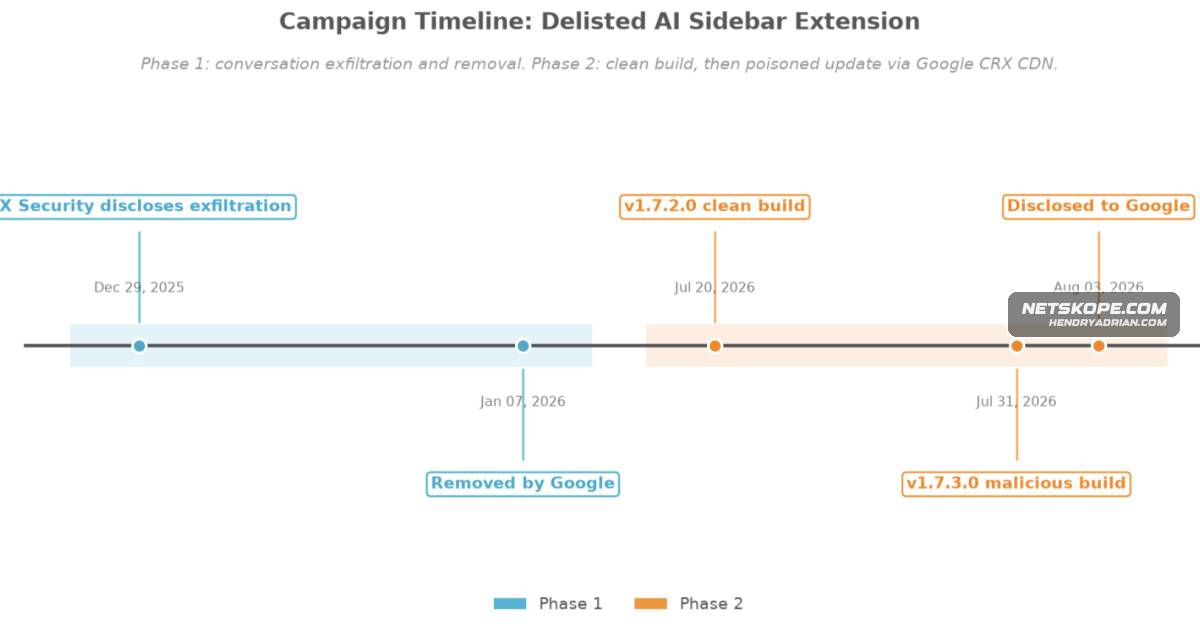
Netskope reports that a relisted Chrome extension added affiliate redirects triggered by updates and uninstalls after earlier versions stole AI conversations. The extension remains available, and Netskope recommends removing it and restricting extension installs.

Aug 11, 2026
Threat Research · thehackernews.com

Wordfence Details BdThemes Supply-Chain Attack Using Poisoned JSON

Wordfence says attackers poisoned JSON from BdThemes’ cloud storage to exploit XSS in WordPress plugins, create rogue admins, deploy a web shell and persistence modules. WordPress temporarily disabled downloads for seven affected plugins.

Aug 11, 2026
Threat Research · unit42.paloaltonetworks.com

Aeternum Botnet Uses Polygon Smart Contracts for Resilient Command and Control

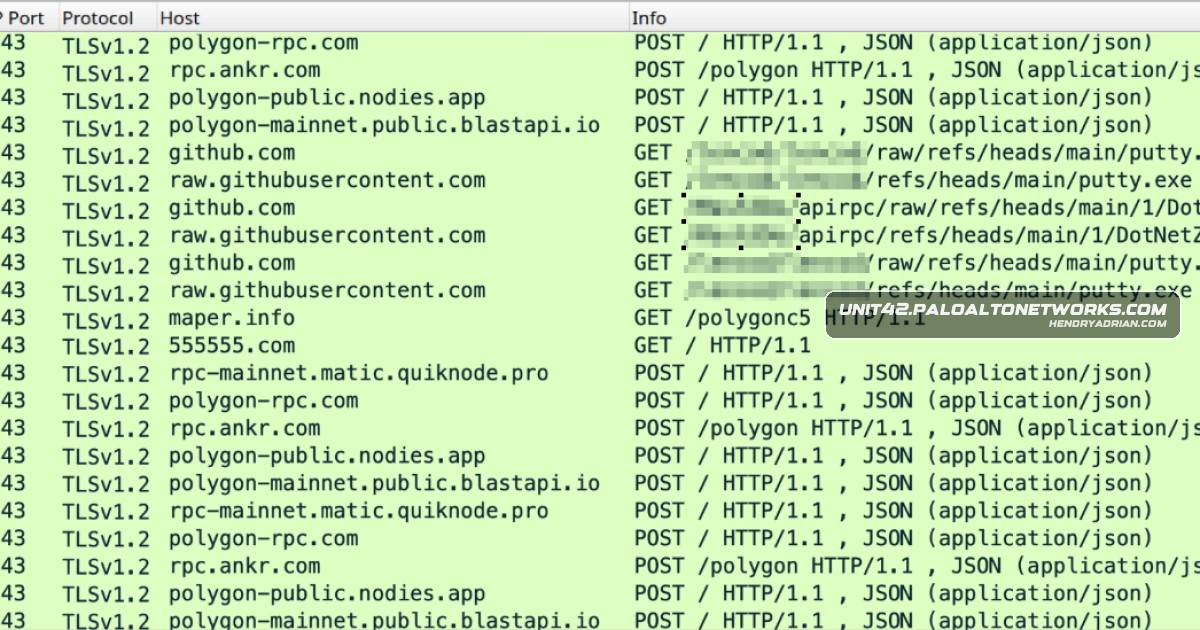
Unit 42 analyzes Aeternum’s Polygon-based C2 and related malware deploying XWorm, XMRig and credential theft capabilities. Researchers detail on-chain command retrieval, weak encryption and blockchain infrastructure links.

Aug 11, 2026
Threat Research · cyfirma.com

Lucid Stealer Uses Node.js SEA to Conceal Credential-Theft Payload

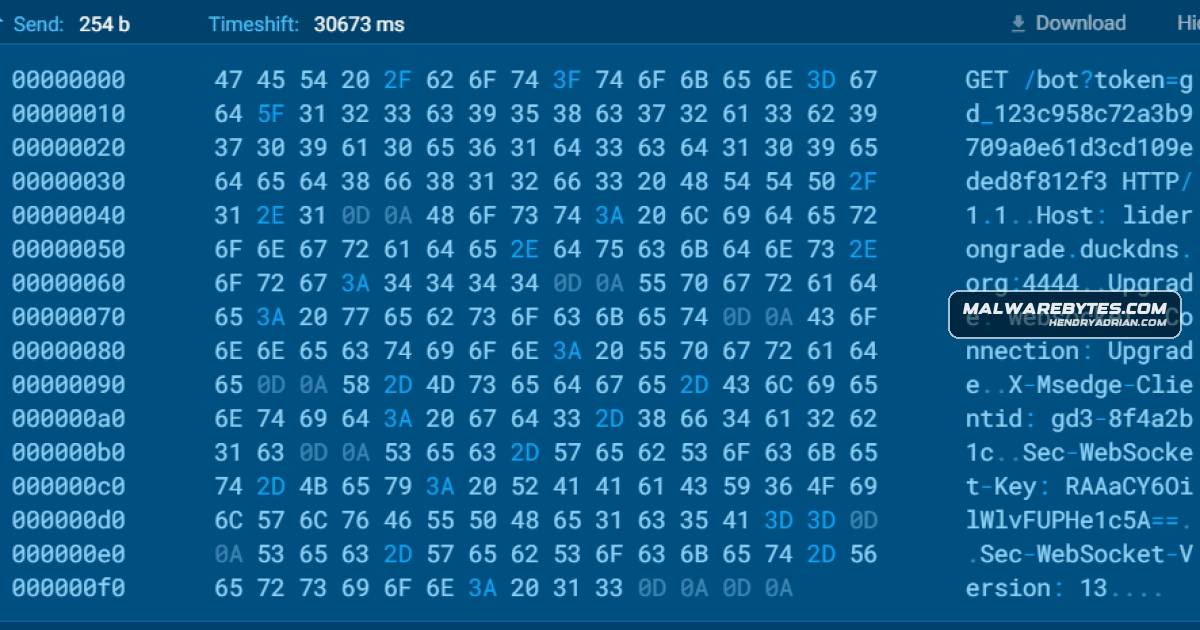
CYFIRMA details how Lucid Stealer hides encrypted payloads in Node.js SEA and harvests browser credentials, wallet data and Discord tokens. Observed WebSocket and HTTP upload attempts to lucidstealer[.]one failed with HTTP 403 responses.

Aug 11, 2026
Threat Research · threatlabs.netskope.com

Re-Listed Chrome Extension Adds Affiliate Fraud to Its Update and Uninstall Flows

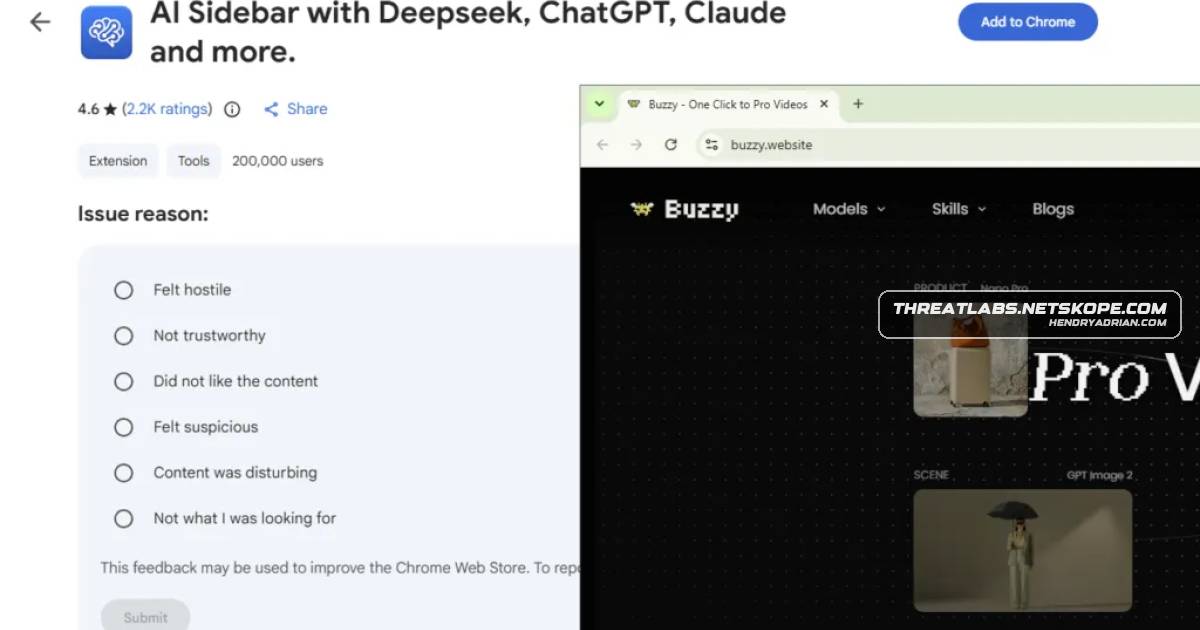
Netskope says a re-listed Chrome extension added affiliate redirects on updates and uninstalls in version 1.7.3.0. Earlier versions reportedly stole AI conversations; as of August 25, 2026, version 1.7.4 remained available with 200,000 users.

Aug 11, 2026
PreviousPage 34 of 100 Next
© 2026 cyber.hendryadrian.com