
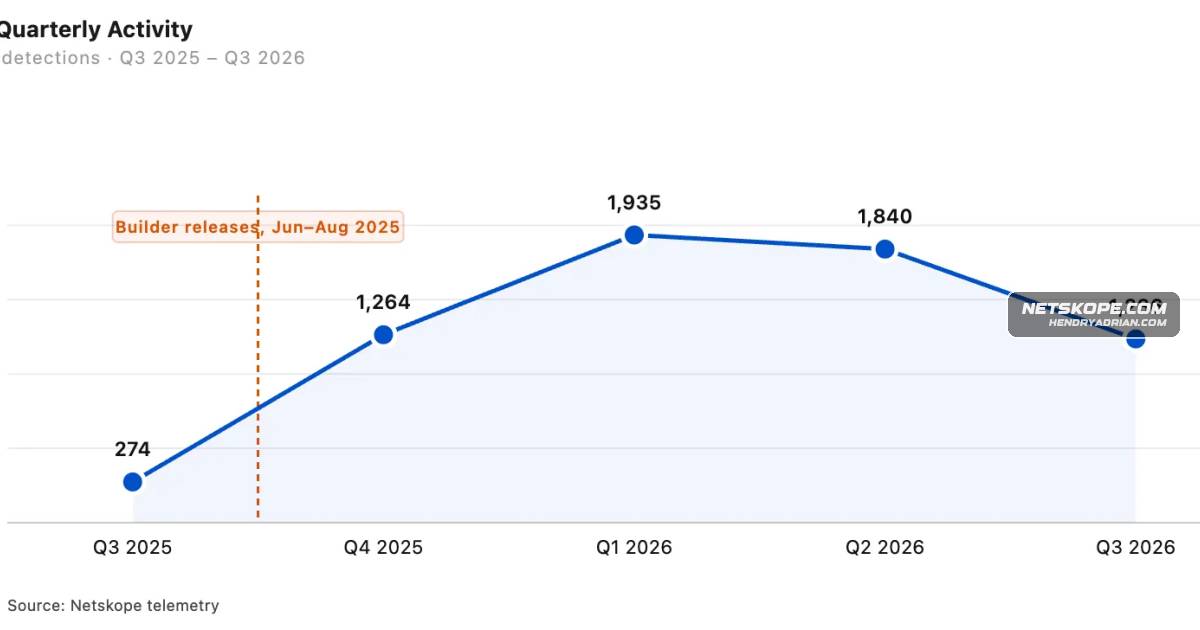
XWorm Activity Surges as Four Versions Operate Concurrently
Netskope reports four XWorm versions operating concurrently and 1,236 detection events across more than 100 customer organizations in Q3 2026, a fourfold increase from Q3 2025.
Netskope reports four XWorm versions operating concurrently and 1,236 detection events across more than 100 customer organizations in Q3 2026, a fourfold increase from Q3 2025.
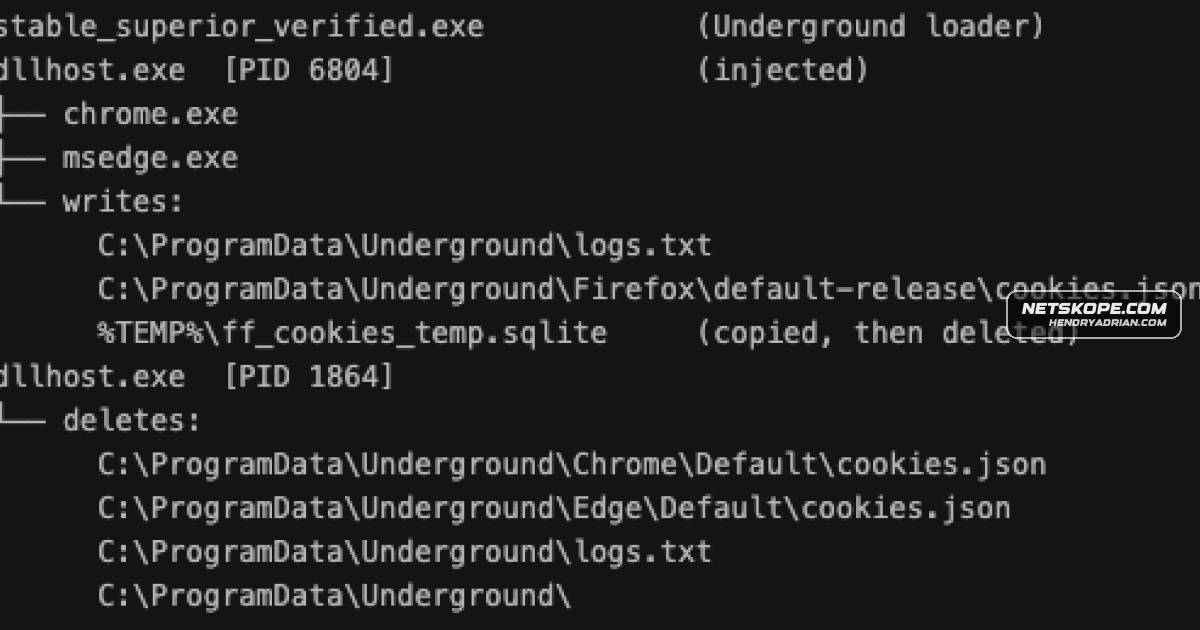
Netskope details an Aotera/Tedy loader delivering a Vidar-class stealer that hijacks browser sessions to drain crypto accounts and replace copied wallet addresses. Researchers estimate about $100,000 stolen from at least 350–430 victims.
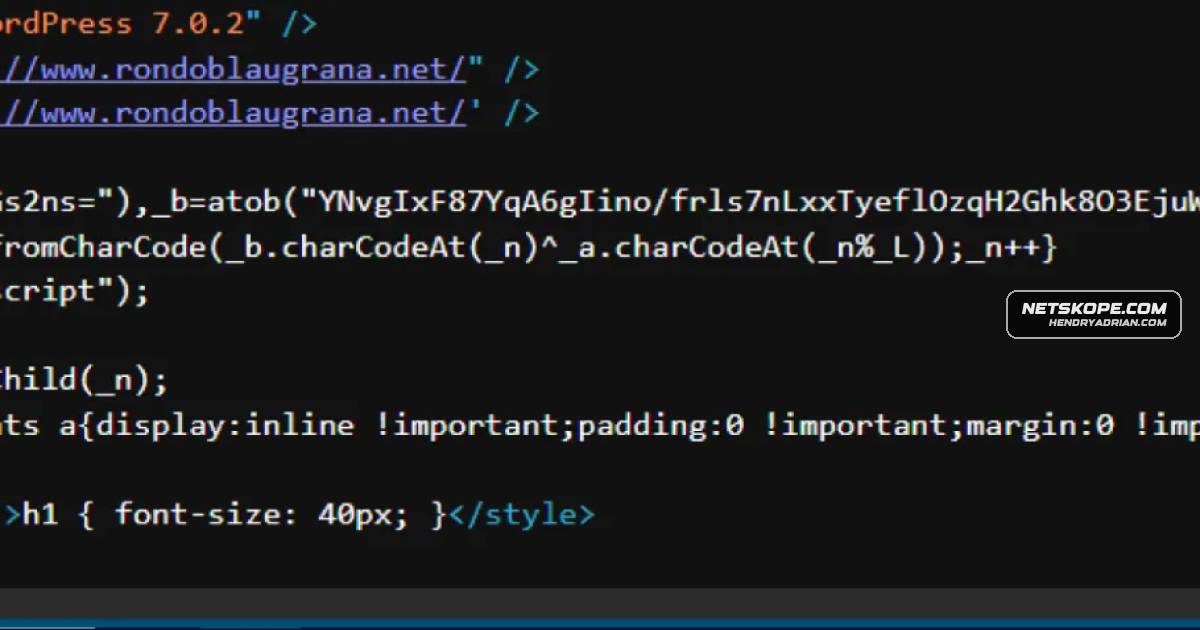
Netskope reports more than 5,400 compromised sites using BNB Smart Chain testnet contracts to deliver ClickFix lures or a covert WebRTC command channel; the initial compromise method is unknown.
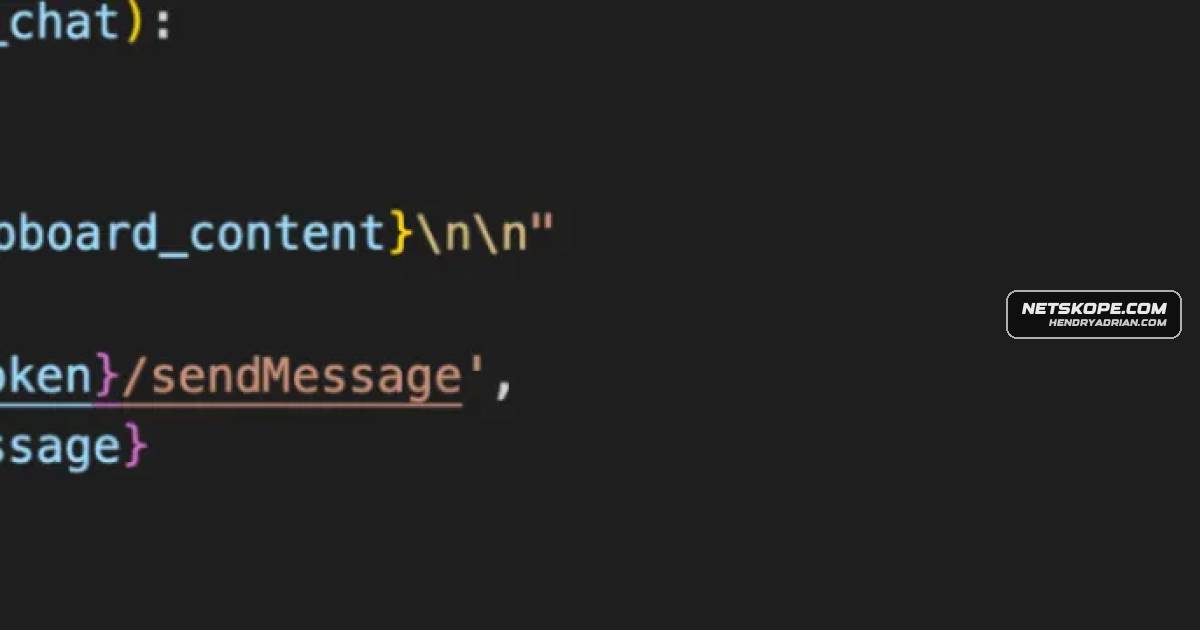
Netskope found a Python NodeStealer variant with keylogging, clipboard and screenshot capture, expanded Facebook Graph API collection, and separate Telegram bots for stolen browser credentials and Facebook data. AI assistance is suspected, not confirmed.

A Netskope primer explains how malware retrieves runtime C2 pointers through EVM smart contracts, Solana transaction memos and TON lookups, and recommends correlating RPC details, decoded results and process context to detect the activity.
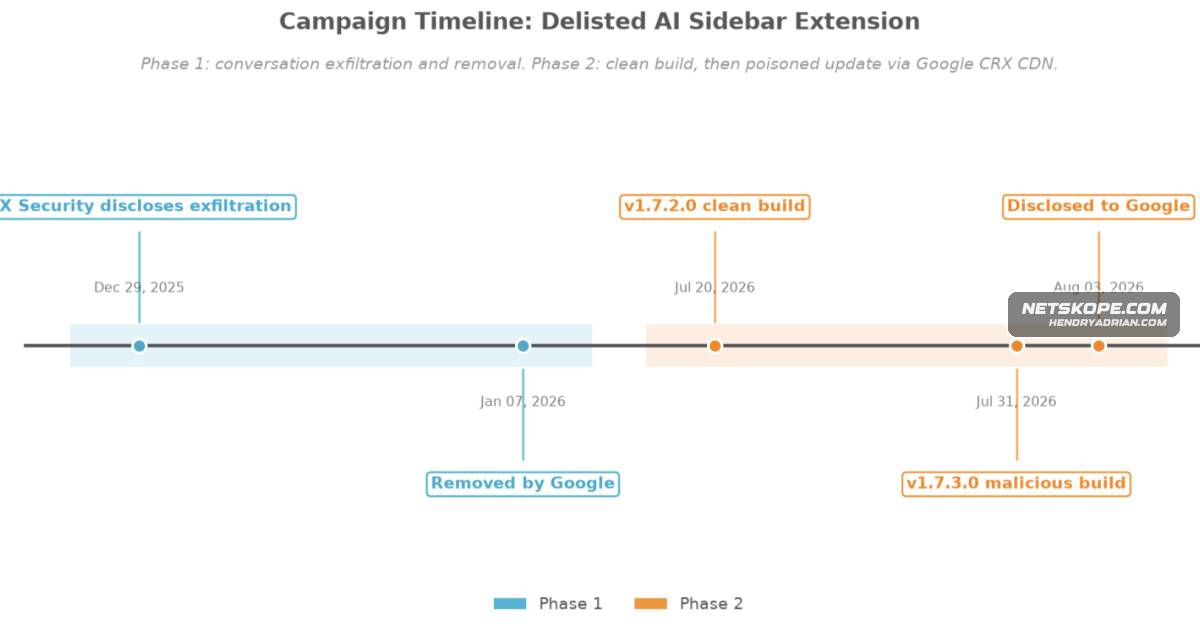
Netskope reports that a relisted Chrome extension added affiliate redirects triggered by updates and uninstalls after earlier versions stole AI conversations. The extension remains available, and Netskope recommends removing it and restricting extension installs.
Netskope traced more than 12,700 similar FakeCaptcha PDFs on Webflow’s CDN to a traffic-distribution network that routes visitors to malware, reseller infrastructure, or scams. Its analysis describes the gate’s filters and more durable detection signals.

Netskope analyzed 28 malicious npm package versions across four namespaces. Their stealer downloads Bun, harvests developer and CI/CD credentials, and resolves its exfiltration host through an Ethereum smart contract.
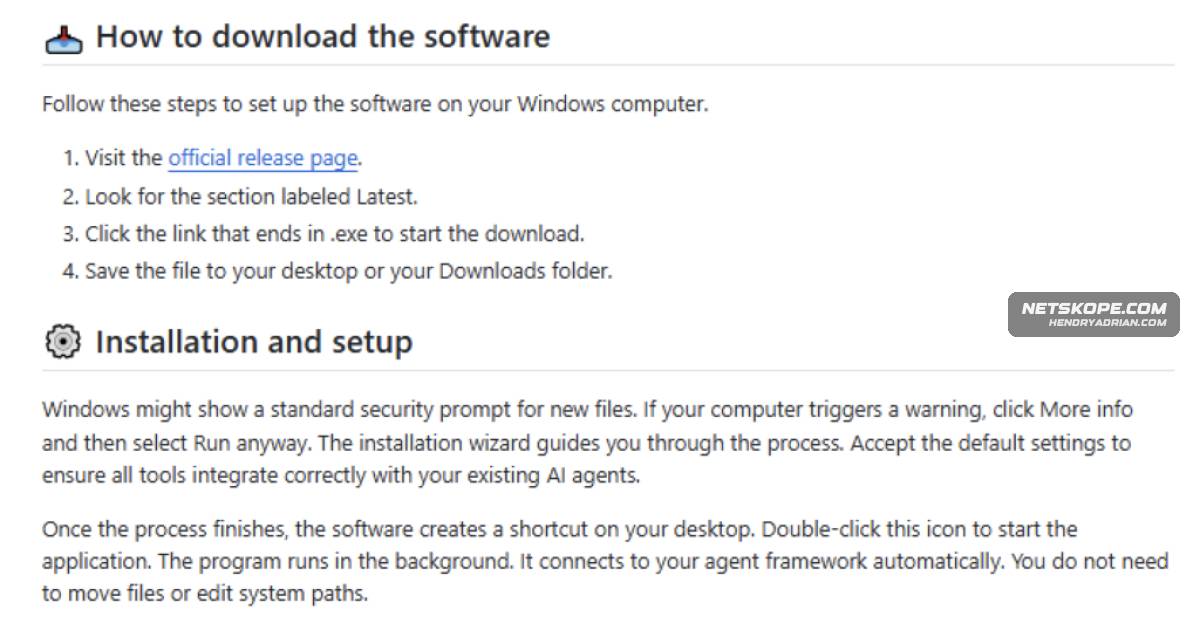
Netskope analyzed a campaign delivering infostealers through ClickFix and trojanized GitHub repositories impersonating AI and developer resources. Its two-stage SmartLoader chain uses EtherHiding on Polygon to resolve C2 at runtime.
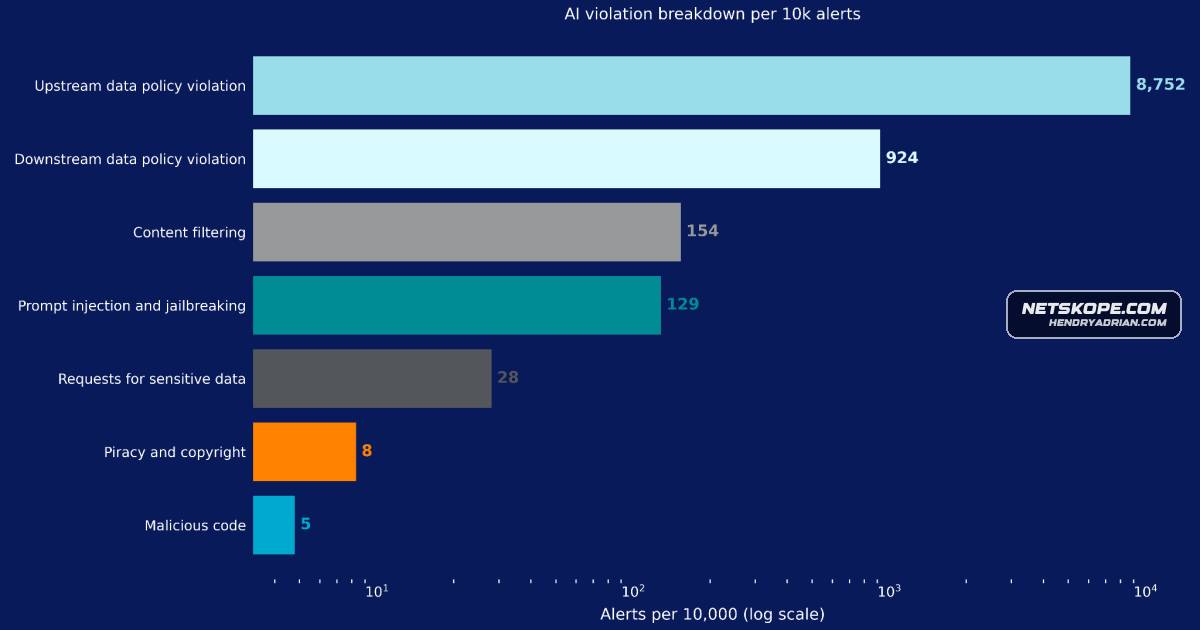
Netskope says AI security risks are shifting toward downstream policy violations, agentic coding execution vectors, and attacks involving trojanized developer tools and fake AI installers.
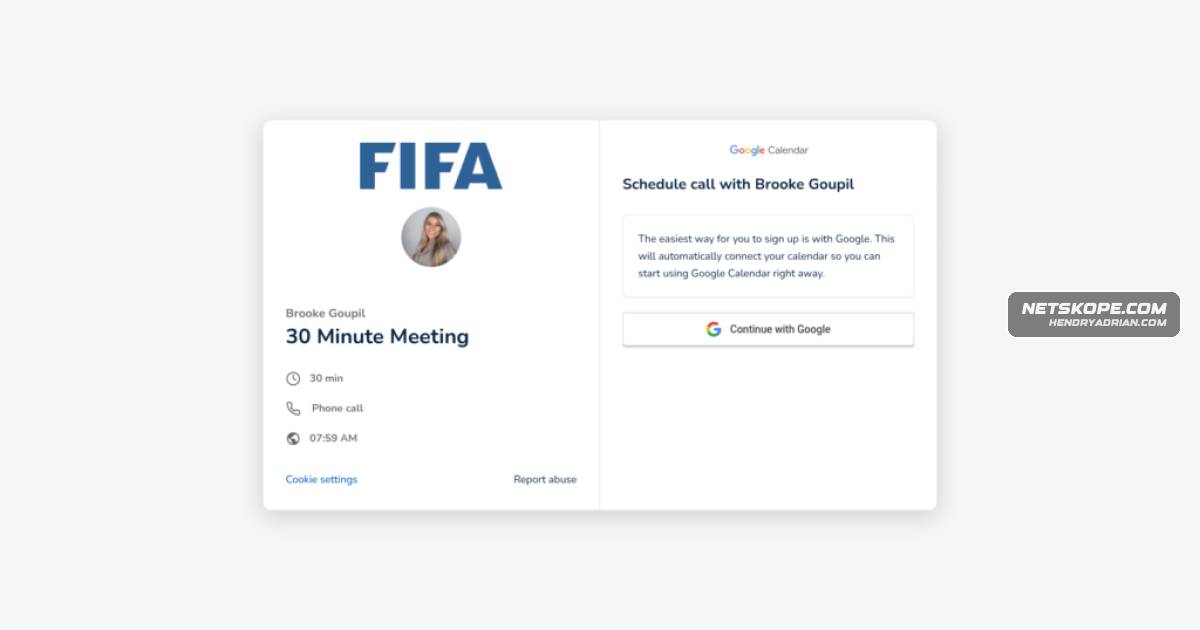
Netskope says it detected and blocked over 28,000 World Cup-themed threats across 1,000+ organizations in 2026. Users reaching malicious content peaked at nearly six times the pre-tournament average; lures included job scams, fake streams and infostealers.
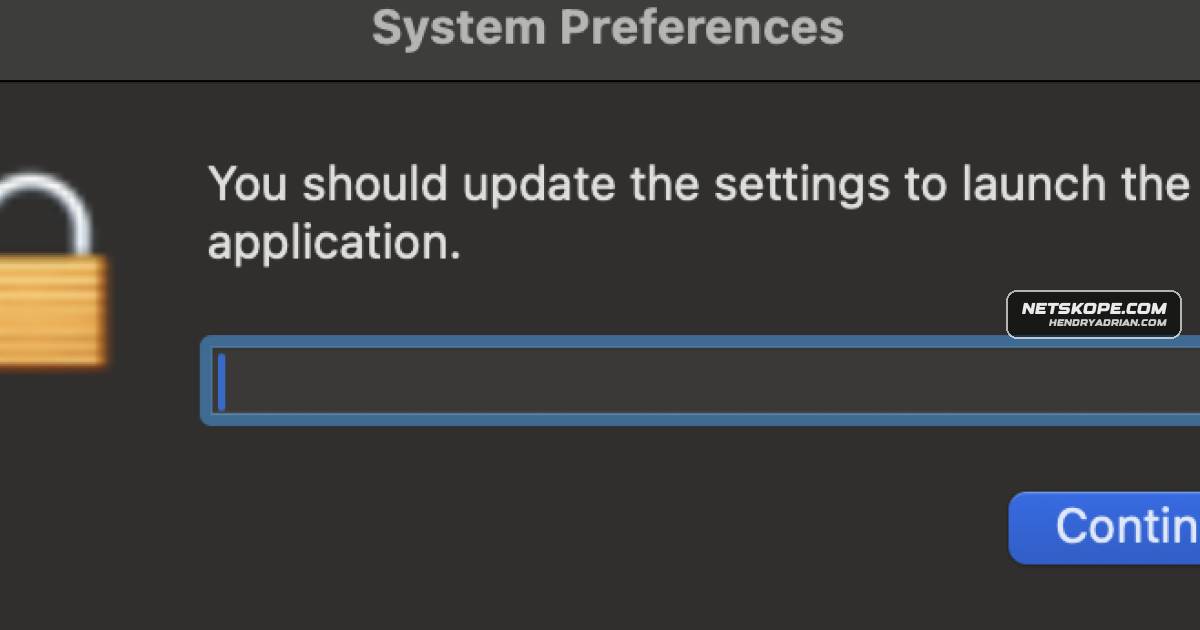
Netskope describes a macOS ClickFix campaign using fileless AppleScript to steal credentials and data, tamper with cryptocurrency wallets, and install persistent remote access through a fake Apple system service.
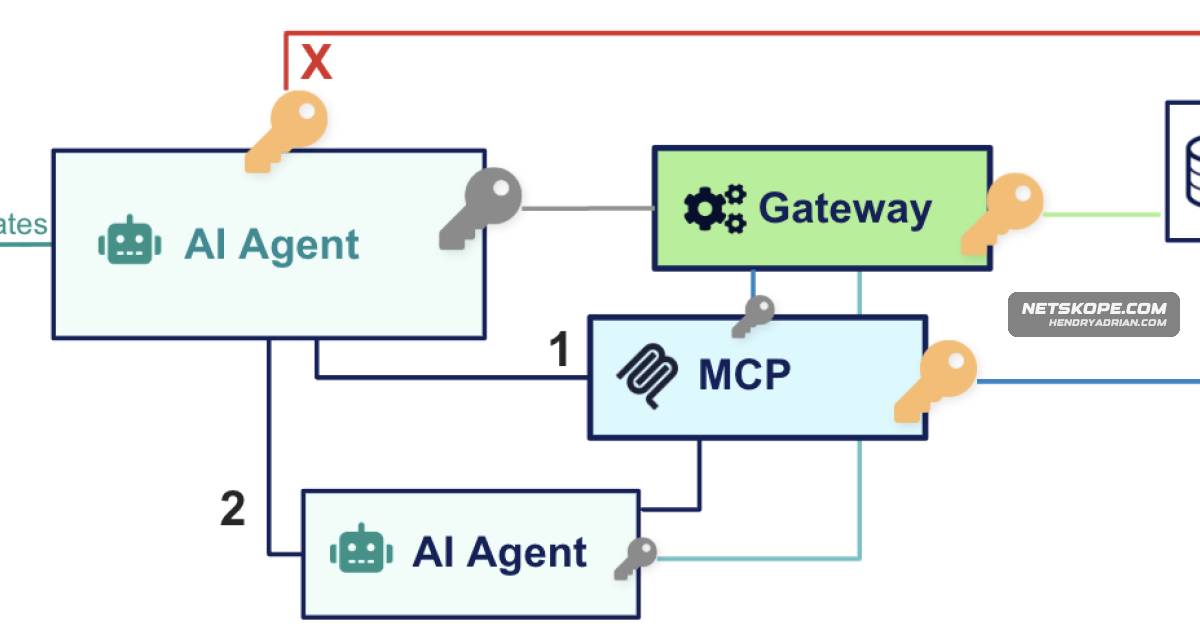
Netskope outlines how persistent, broadly scoped OAuth tokens can let AI agents execute malicious instructions without further human approval, and recommends isolated agent identities, short-lived task-scoped credentials, monitoring, and governance.

More than 50 npm packages across several namespaces were compromised with malware that steals GitHub credentials and AWS secrets, then uses stolen credentials to publish malicious package versions.

DirtyFrag exploits two Linux kernel page-cache write bugs for local root access. A public PoC is available, but no in-the-wild exploitation is confirmed; one bug remains unpatched, and distribution kernels had not yet shipped fixes.
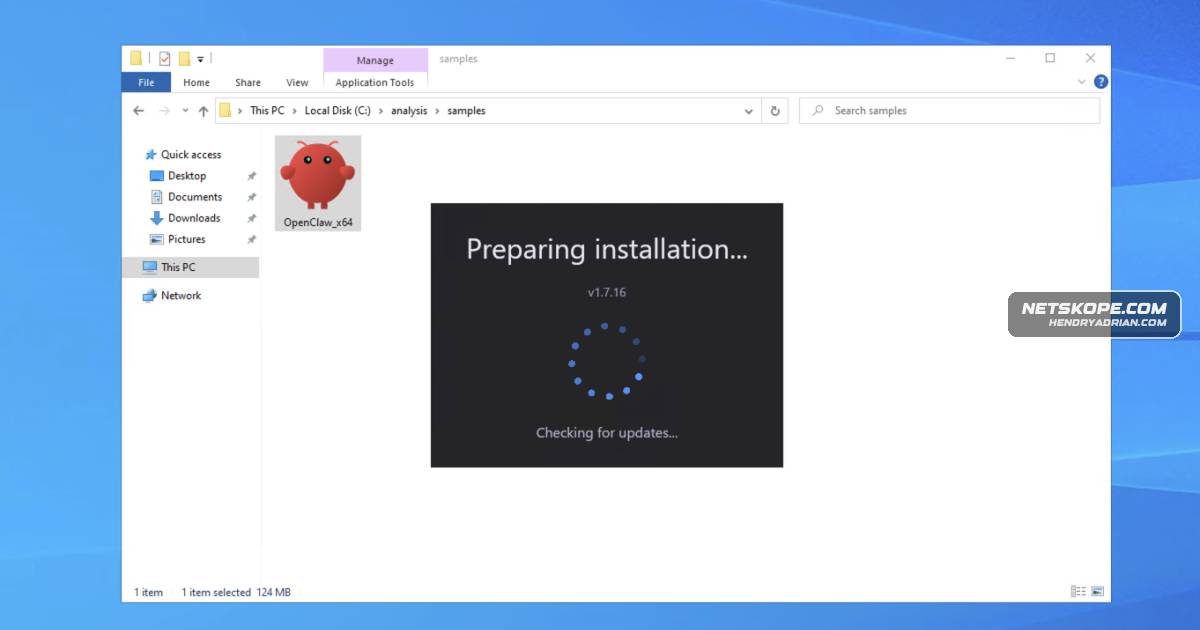
Netskope details three waves of a fake OpenClaw installer campaign delivering Rust malware that evades sandboxes, steals credentials from more than 250 browser extensions, and uses layered C2 infrastructure. Hookdeck disabled an abused relay endpoint.
Intercom TypeScript Library version 7.0.4 runs an install-time infostealer that harvests GitHub credentials and retrieves C2 instructions through GitHub commit search. Users are advised to check for suspicious activity and rotate credentials.
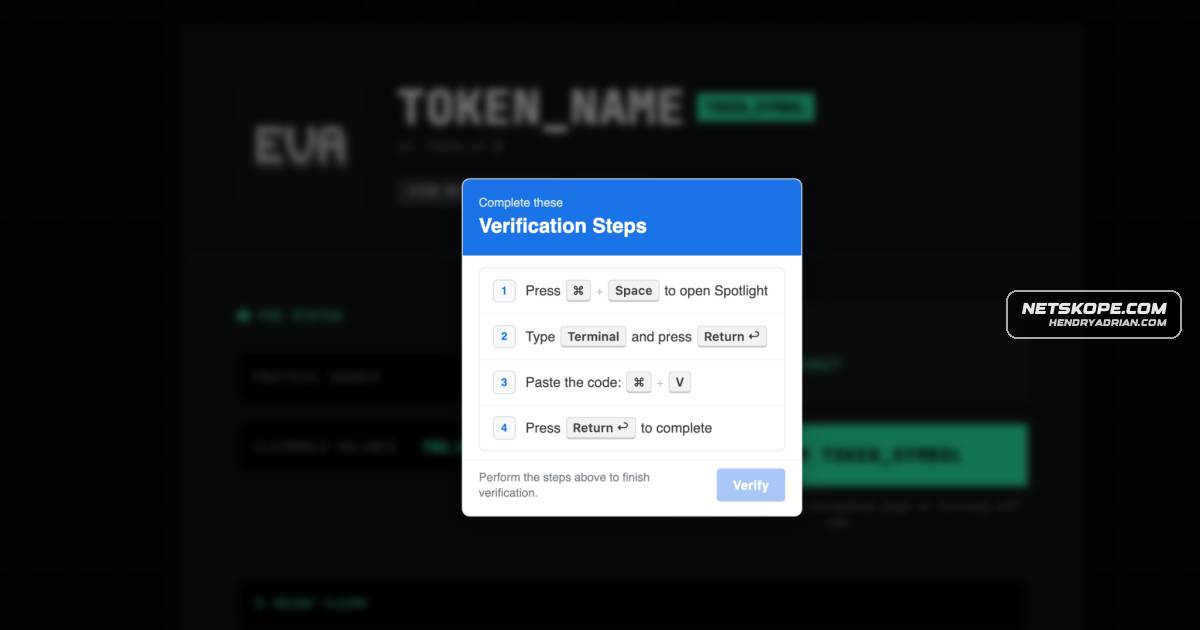
Netskope details a ClickFix campaign that tricks macOS users into running a command, then uses a persistent fake password prompt to steal credentials, keychain and browser data, extension contents, and cryptocurrency wallet files.
Netskope Threat Labs details a ClickFix campaign using a silently installed Node.js payload on Windows. Dynamic modules, gRPC-over-Tor C2 and leaked protocol files expose RAT capabilities and a multi-operator MaaS backend.
Netskope traces TroyDen’s Lure Factory to 300+ trojanized GitHub packages using paired LuaJIT components, sandbox-evasion delays and screenshot exfiltration. Analysis links three lure campaigns; credential theft is suspected, not confirmed.