cyber.hendryadrian.com
Login
Navigation
HomeDashboardCyber Reports

Research

Threat ResearchVulnerability & ExploitDetection & DefenseSecurity Report

News

Security NewsCyber Attack & Data BreachRansom MonitorSecurity InsightsYouTube
Sources & Credits

Entities

CVEMalwarePeopleThreat ActorsMITRE ATT&CKVendorsProductsSecurity ToolsCountriesIndustries

Threat Research

In-depth analysis of malware, threat actors, attack campaigns, techniques, and emerging cyber threats.

2498 articles

Threat Research · huntress.com

KongTuke Uses Fake Browser-Crash Fix to Deliver Malware

Huntress details KongTuke’s NexShield extension, which crashes browsers and tricks users into running malicious commands. The campaign uses staged PowerShell payloads and delivers ModeloRAT to domain-joined hosts.


Jan 16, 2026
Threat Research · wiz.io

Wiz Details CodeBreach CI Flaw That Enabled Takeover of AWS GitHub Repositories

Wiz researchers say an unanchored CodeBuild filter let them bypass trusted-user checks, steal a GitHub token, and gain admin access to AWS repositories. AWS remediated the issue and says it found no customer or service impact.

Jan 15, 2026
Threat Research · cloudsek.com

Discord Social Engineering Spreads Clipboard Hijacker Targeting Crypto Transactions

CloudSEK reports that the RedLineCyber actor used Discord relationships to distribute a Python-based Windows clipper that replaces copied wallet addresses for six cryptocurrencies. It persists through a Registry Run key and operates without network communication.

Jan 15, 2026
Threat Research · blog.sucuri.net

WordPress Malware Uses Google IP Checks to Cloak Content from Site Owners

A WordPress infection checks Google-related User-Agents and IP ranges before fetching remote content for crawlers, while showing regular visitors the legitimate site. The article describes its behavior, impact, indicators, and remediation steps.

Jan 13, 2026
Threat Research · huntress.com

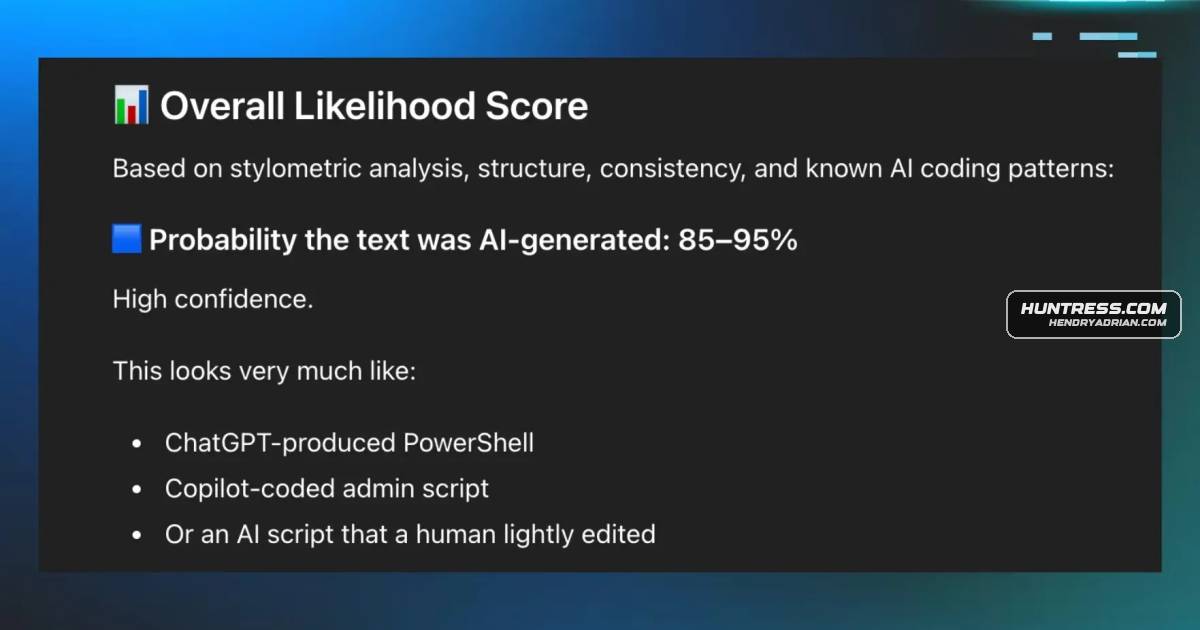
Huntress Finds AI-Assisted Scripts and a Browser RAT Reusing Familiar Attack Techniques

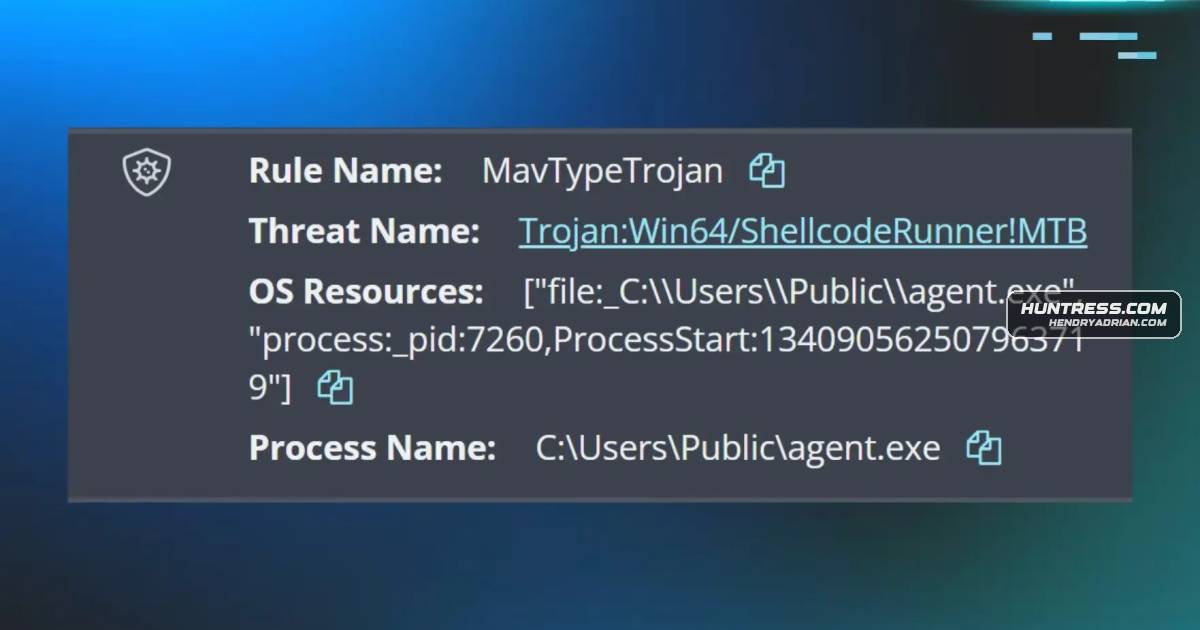
Huntress describes four cases where attackers used apparently AI-assisted scripts and a malicious Chrome extension for credential theft and data collection, concluding AI sped up familiar tradecraft rather than creating fundamentally new attack methods.

Jan 12, 2026
Threat Research · team-cymru.com

Team Cymru Identifies 28 IPs Linked to Carding Markets and Forums

Team Cymru says its July–December 2025 analysis identified 28 IP addresses and 85 domains hosting carding markets or forums, using scans, passive DNS, certificate data and NetFlow. It cautions that not all identified sites were confirmed operational.

Jan 9, 2026
Threat Research · blog.sucuri.net

SEO Cloaking Malware Feeds Gambling Spam to Search Engine Crawlers

A PHP implant fetched gambling spam from fugthatshit[.]baby and served it to search engine crawlers while showing normal content to visitors. The article details its behavior, indicators, and remediation steps.

Jan 8, 2026
Threat Research · blog.sucuri.net

Malicious WordPress Plugin Targets Admins With Fake Browser and Java Updates

A malicious WordPress plugin injects fake update alerts into the admin dashboard on Windows systems and downloads JavaScript from an attacker-controlled domain. The alerts aim to trick administrators into downloading malware.

Jan 8, 2026
Threat Research · cloudsek.com

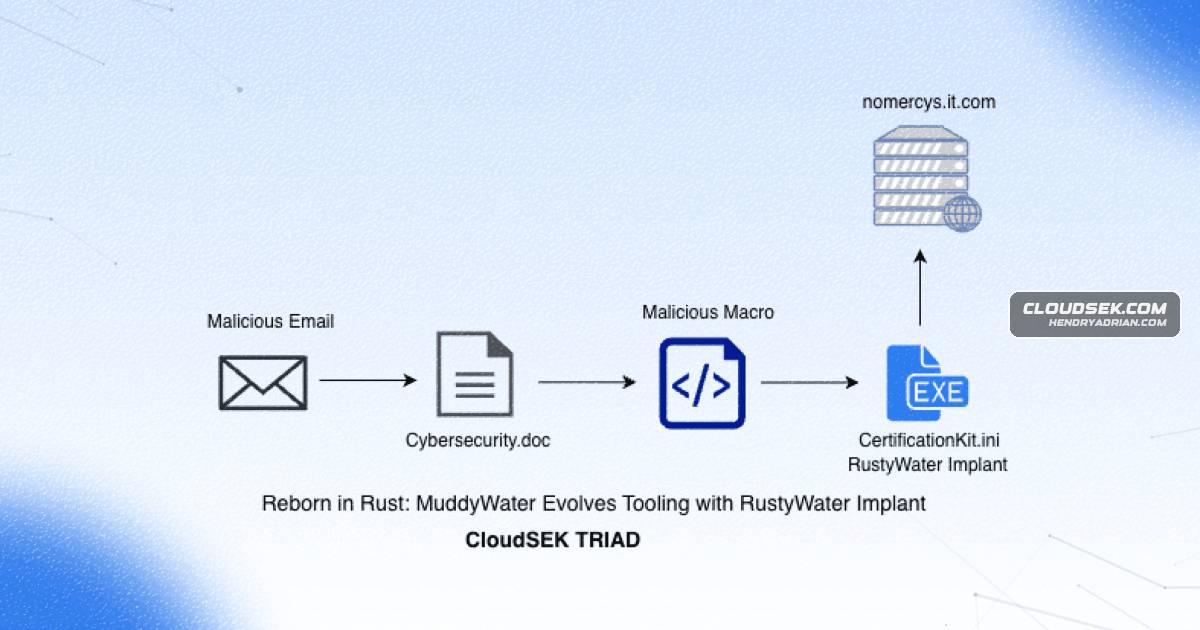
MuddyWater Uses RustyWater Implant in Middle East Spearphishing Campaign

CloudSEK analyzes a MuddyWater-attributed spearphishing campaign targeting Middle Eastern sectors with malicious Word documents that deliver a Rust implant featuring registry persistence, asynchronous C2, evasion, and process injection.

Jan 8, 2026
Threat Research · darktrace.com

Medusa Ransomware Campaigns Abuse SimpleHelp and Other RMM Tools

Darktrace describes Medusa ransomware activity across its customers, detailing how attackers abused RMM tools for access, persistence, lateral movement and data theft, including a 2025 compromise that exfiltrated about 70 GiB.

Jan 8, 2026
Threat Research · huntress.com

Huntress Details ESXi Escape Toolkit and VSOCK Backdoor Used in Intrusion

Huntress analyzes an ESXi escape toolkit observed in a December 2025 intrusion, detailing its suspected use of three VMware vulnerabilities, a VSOCK backdoor, and the response that stopped the attack before ransomware deployment.

Jan 7, 2026
Threat Research · zscaler.com

Malicious npm Packages Deliver NodeCordRAT, Stealing Credentials and Crypto Data

ThreatLabz found three malicious npm packages that install NodeCordRAT, a RAT using Discord for command-and-control and targeting Chrome credentials, secrets, and MetaMask data. The packages have been removed from npm.

Jan 7, 2026
Threat Research · wiz.io

Wiz Traces Shai-Hulud’s Lingering Infections to Cached Packages and a Malicious IDE Extension

Wiz reports that cached packages and a malicious OpenVSX extension prolonged Shai-Hulud infections. A clean extension update sharply reduced new infections; leaked credentials remain, and a possible link to Trust Wallet’s $7 million theft is under investigation.

Dec 30, 2025
Threat Research · cloudsek.com

RondoDoX Botnet Exploits Next.js Vulnerability in Multi-Month Campaign

CloudSEK analyzed nine months of C2 logs showing RondoDoX targeting web applications and IoT devices, with Next.js Server Actions exploitation and botnet deployments surging in December 2025.

Dec 29, 2025
Threat Research · cloudsek.com

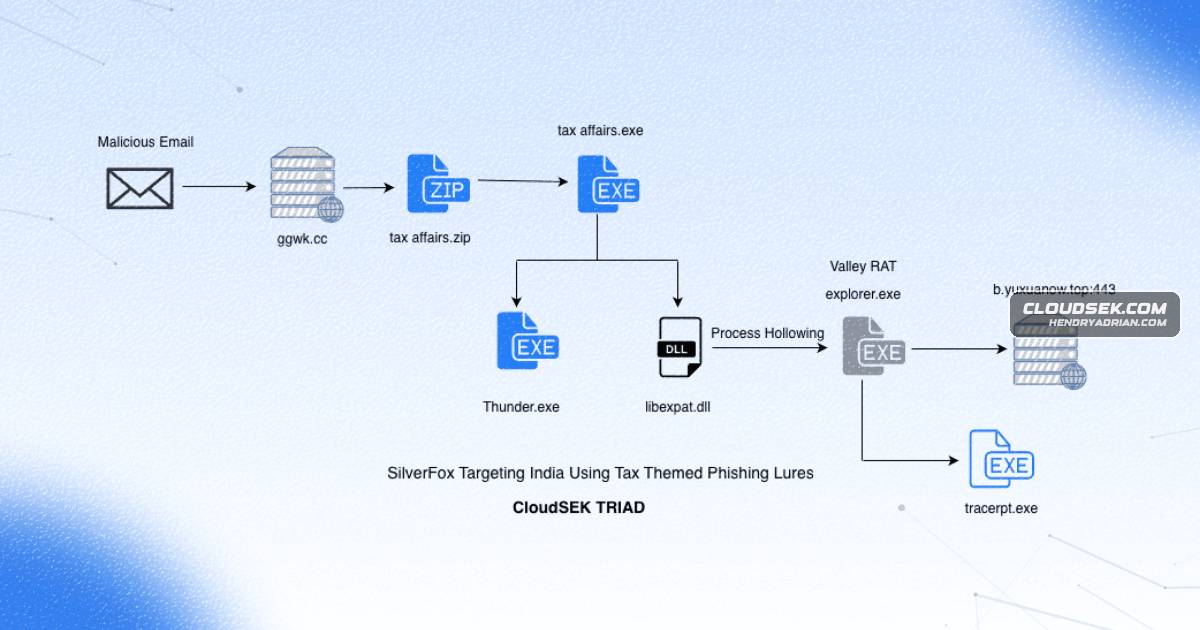
Silver Fox Uses Tax-Themed Phishing to Deploy Valley RAT in India

CloudSEK analyzes a Silver Fox campaign targeting India with tax-themed phishing emails that deliver Valley RAT through a multi-stage infection chain, DLL hijacking, process injection, and tiered command-and-control infrastructure.

Dec 24, 2025
Threat Research · opensourcemalware.com

Researchers Detail Malware Hidden in VS Code Dictionary Files

OpenSourceMalware describes a Contagious Interview campaign variant using VS Code tasks and an obfuscated dictionary file to install a persistent Node.js backdoor that retrieves code from ip-regions-check[.]vercel[.]app.

Dec 23, 2025
Threat Research · huntress.com

Huntress Traces Three IIS-Linked Attacks and the Attacker’s Trial-and-Error Tactics

Huntress analyzed three IIS-linked incidents, using endpoint and Windows logs to trace attempted malware execution, Windows Defender changes, and failed persistence. Similar tactics and infrastructure suggest the incidents may share an actor.

Dec 22, 2025
Threat Research · genians.co.kr

APT37 Uses Malicious HWP Documents and DLL Side-Loading in Operation Artemis

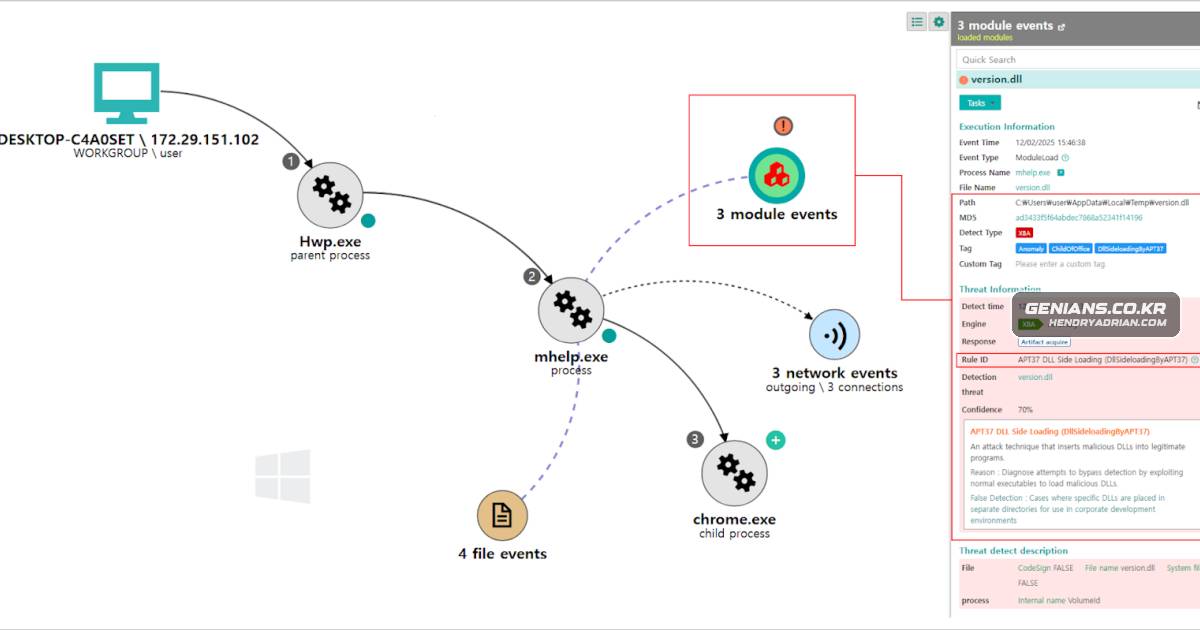
Genians analyzes an APT37 campaign that used spear-phishing HWP documents, OLE objects, DLL side-loading and RoKRAT payloads, with Yandex Cloud infrastructure for C2. The report details the attack chain and recommends behavior-based EDR monitoring.

Dec 21, 2025
Threat Research · global.ptsecurity.com

Phantom Enigma Uses Browser Manipulation to Install Credential-Stealing Extensions

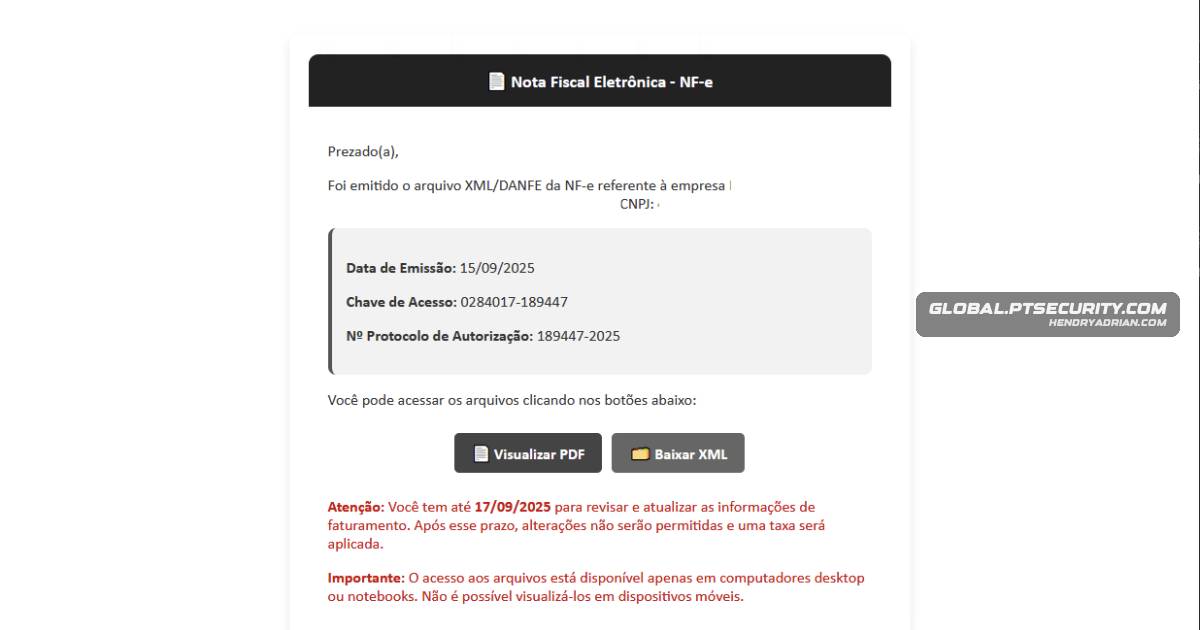
Positive Technologies details Phantom Enigma’s updated phishing campaigns, which target Brazilian users with credential-stealing browser extensions and organizations with RMM tools, including Syncro. Attackers manipulate browser windows to install extensions.

Dec 18, 2025
Threat Research · hunt.io

Hunt.io and Acronis Trace Lazarus and Kimsuky Infrastructure Across Campaigns

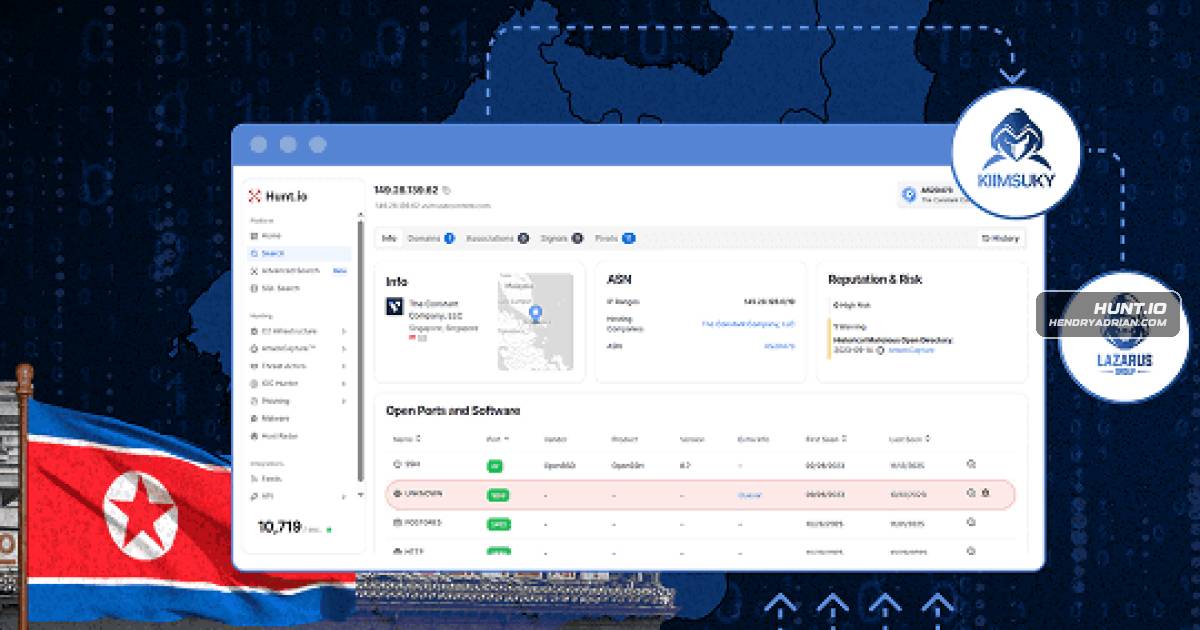
Hunt.io and Acronis mapped DPRK-linked infrastructure, detailing a new Linux Badcall variant, credential-theft tool staging, repeated FRP deployments, and certificate-linked hosts associated with Lazarus and related activity.

Dec 17, 2025
Threat Research · zscaler.com

BlindEagle Uses Caminho Downloader to Deploy DCRAT Against Colombian Government Agency

ThreatLabz details a BlindEagle spear-phishing campaign against a Colombian government agency, using a likely compromised email account, a fake judicial portal, obfuscated scripts, Caminho, and DCRAT.

Dec 16, 2025
Threat Research · zscaler.com

BlackForce Phishing Kit Steals Credentials and Bypasses MFA in Real Time

ThreatLabz analyzes BlackForce, a phishing kit that steals credentials and MFA codes through real-time Man-in-the-Browser attacks, evades scanners, and sends stolen data through C2 and Telegram channels.

Dec 11, 2025
Threat Research · wiz.io

Gogs Symlink Zero-Day Exploited to Compromise More Than 700 Exposed Instances

Wiz researchers traced attacks exploiting Gogs CVE-2025-8110 to a symlink bypass that enables remote code execution, finding more than 700 compromised instances. Gogs fixed the vulnerability in v0.13.4.

Dec 10, 2025
Threat Research · feeds.feedblitz.com

Researchers Detail Three Techniques Used by Browser Hijackers

An analysis describes three browser-hijacking methods: altering browser preferences, using simulated keystrokes to control browsing, and deploying scripts that disable updates and load a malicious extension.

Dec 10, 2025
PreviousPage 86 of 105 Next
© 2026 cyber.hendryadrian.com