

How to Export and Review Logs in NetWitness
A practical guide to exporting NetWitness logs through Investigate or REST, choosing formats, handling session limits and background jobs, and uploading files to LogTotal for sanitizing and review.
Actionable detection engineering, threat hunting, hardening, and defensive response guidance.
624 articles
A practical guide to exporting NetWitness logs through Investigate or REST, choosing formats, handling session limits and background jobs, and uploading files to LogTotal for sanitizing and review.

The article warns that autonomous AI agents can inherit human privileges and be hijacked mid-session, citing a GTIG-documented cloud intrusion. It recommends AIBOM provenance, scoped workload identities, the Rule of Two, and machine-speed revocation.

U.S. agencies warn that malicious actors may exploit weaknesses in internet-accessible refrigeration controllers to alter settings or disrupt temperature visibility. They recommend reducing exposure, securing access, patching, isolating OT, and monitoring systems.

The article reports ransomware attacks against finance and insurance rose 122% in Q3 2026, while public-facing exploitation grew from 24% to 36% of observed techniques. It recommends automated containment, asset prioritization, edge controls, and tuned detections.

ReliaQuest reports healthcare and social-assistance organizations listed on data-leak sites rose 70% to 327 this quarter. It recommends edge hardening, phishing-resistant MFA, behavior-based detection, and faster automated response.
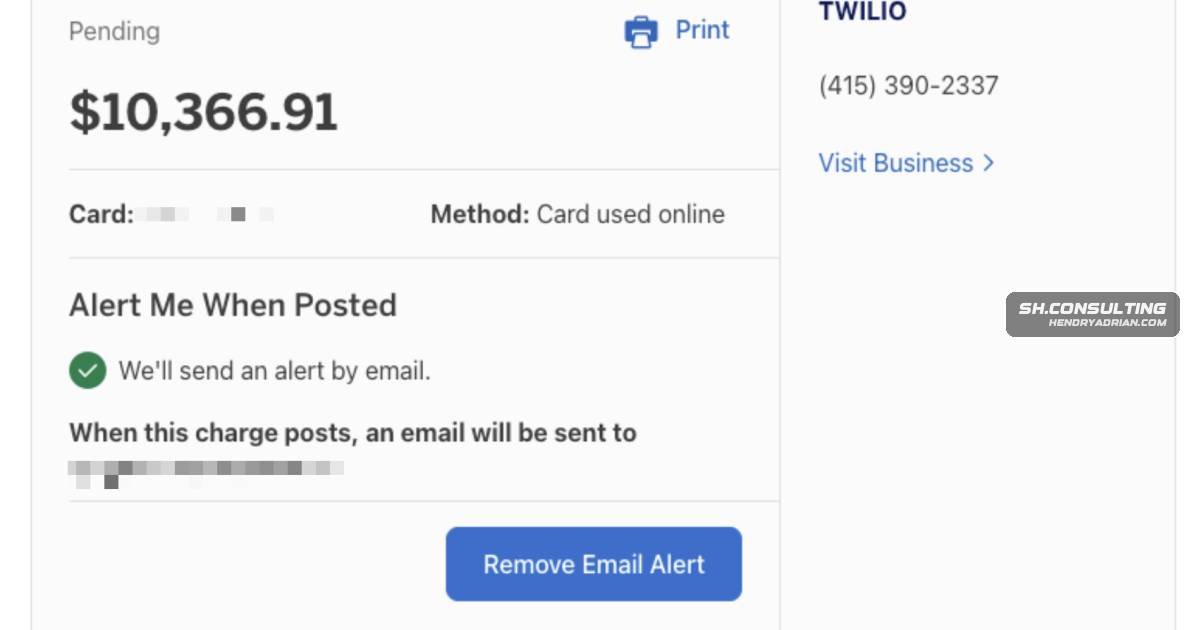
An exposed SendGrid API key was abused to send 2.3 million emails, driving a reported 500× bill spike and harming deliverability. The article also describes phishing through a compromised Purdue SendGrid account and recommends key controls and monitoring.

A practical guide recommends authenticating every legitimate sender, reviewing DMARC reports, and gradually moving through quarantine before p=reject. It also covers enforcement limits, forwarding issues, and related DNS protections.
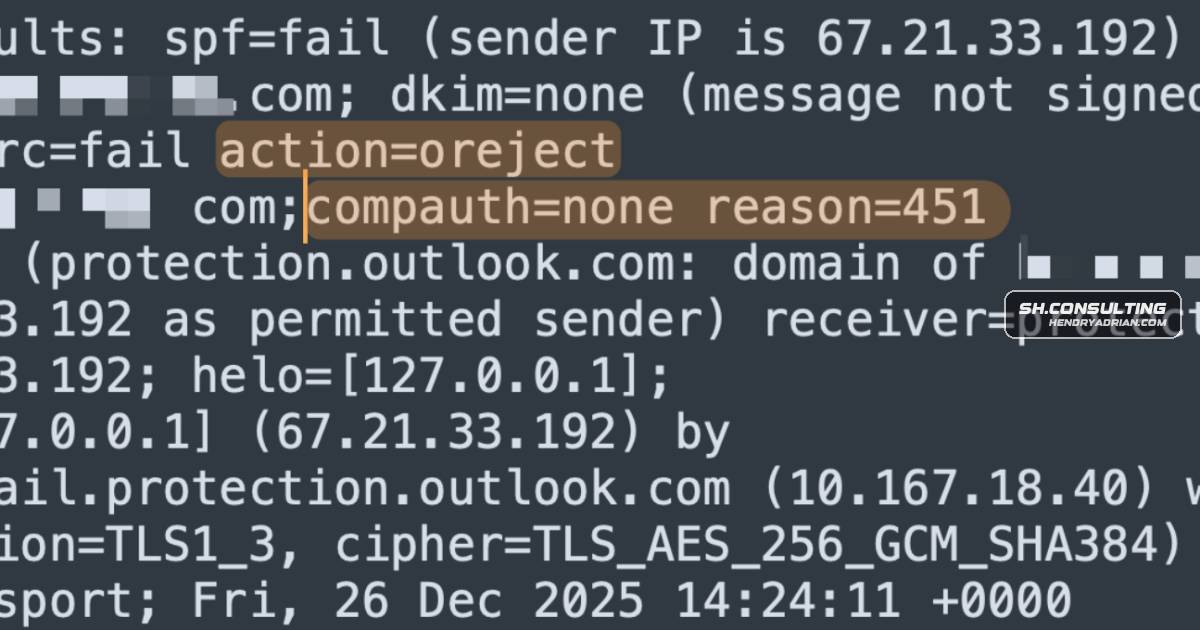
SH Consulting reports that Exchange Online may deliver spoofed mail despite DMARC p=reject when messages arrive through trusted third-party gateways, exposing an oreject/compauth=none reason=451 pattern. It recommends inbound connector lockdown; RejectDirectSend covers只

A practical guide recommends authenticating every legitimate sender, monitoring DMARC reports, and gradually moving through quarantine to reject. It warns about misconfiguration, forwarded mail, and receivers that may not honor the policy.
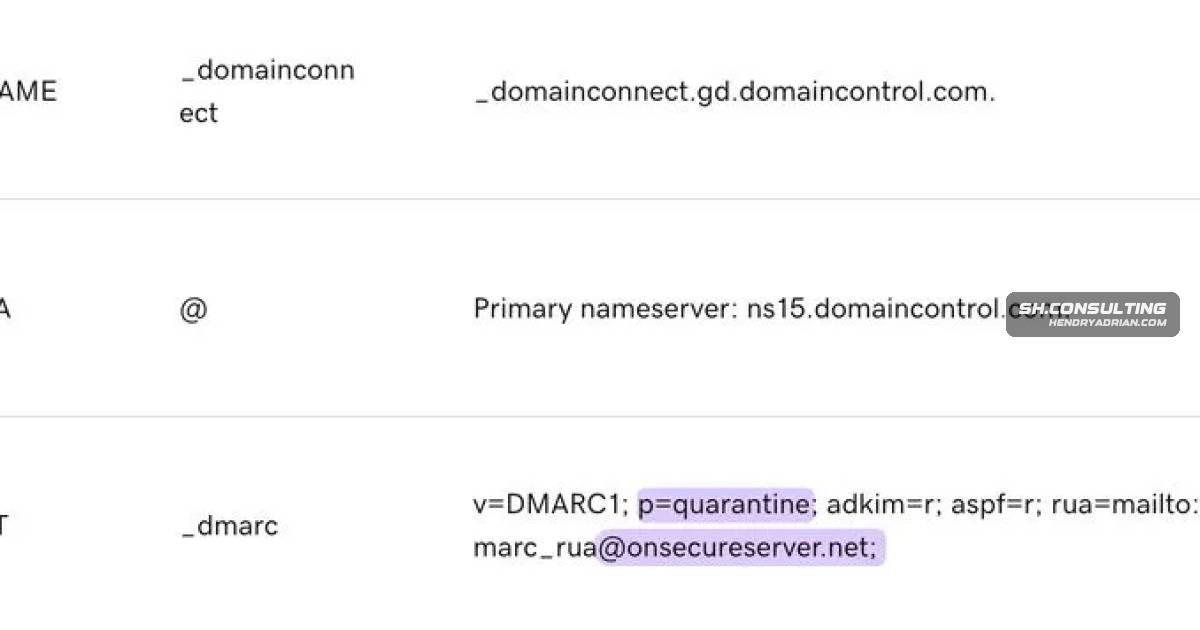
The article says GoDaddy automatically adds DMARC records to domains, sending aggregate reports to a GoDaddy address and potentially quarantining legitimate mail. It advises owners to check the record, configure SPF or DKIM, and choose their policy.
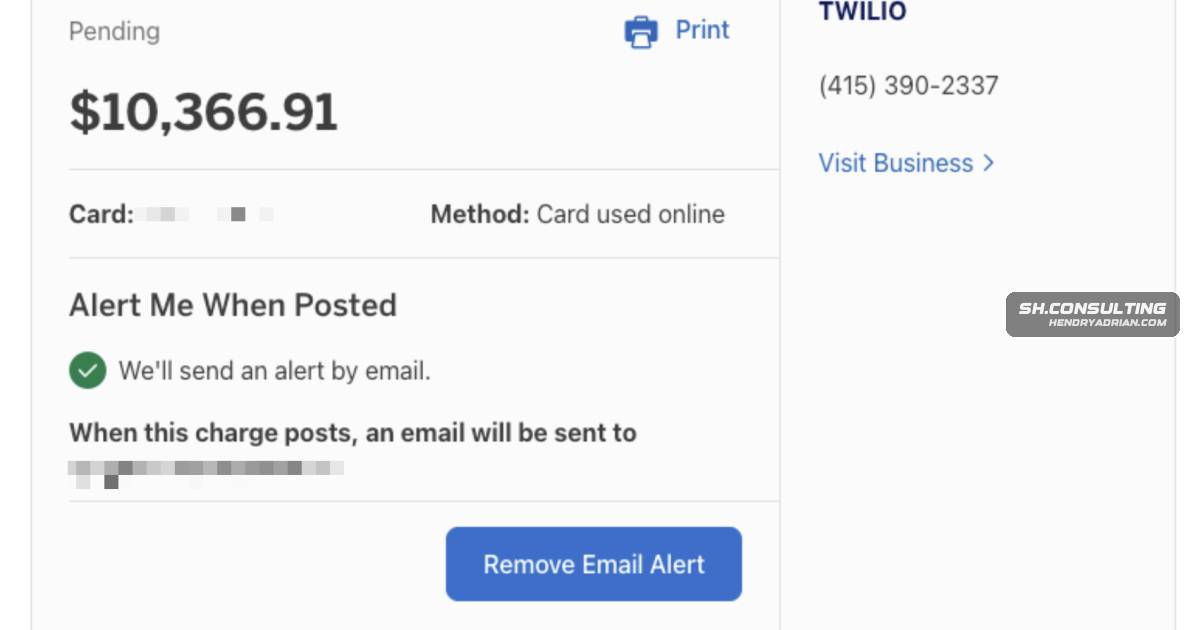
An exposed SendGrid API key was abused to send 2.3 million emails, driving a company’s Twilio bill above 500× its usual level. The article also describes phishing sent through a compromised Purdue SendGrid account and recommends limiting, scoping, and rotating keys and,

The guide recommends auditing and authenticating legitimate senders, reviewing DMARC reports, and gradually moving from p=none through quarantine to p=reject. It also notes that forwarding can fail and some receivers may not honor reject policies.

A practical DMARC enforcement guide recommends authenticating every legitimate sender, reviewing aggregate reports, testing quarantine with a gradual rollout, and then moving to p=reject while accounting for forwarding and receiver limitations.
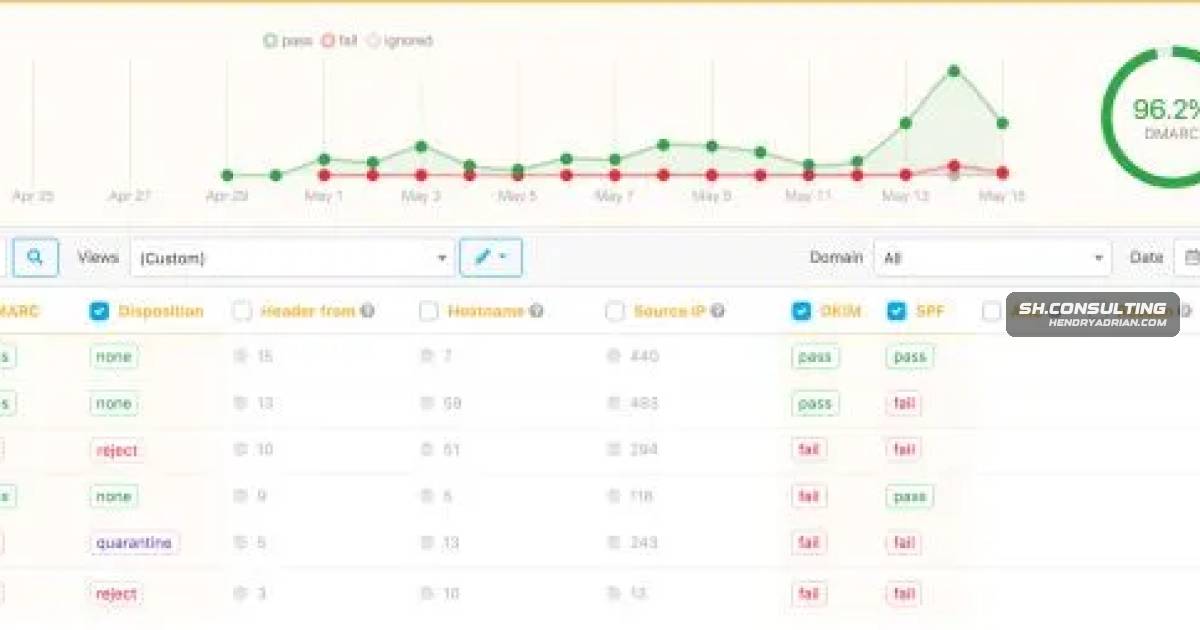
The article explains how DKIM, SPF and DMARC support email authentication, notes bypass tactics such as replay and SubdoMailing, and recommends rotating DKIM keys, monitoring SPF and enforcing a strict DMARC policy.
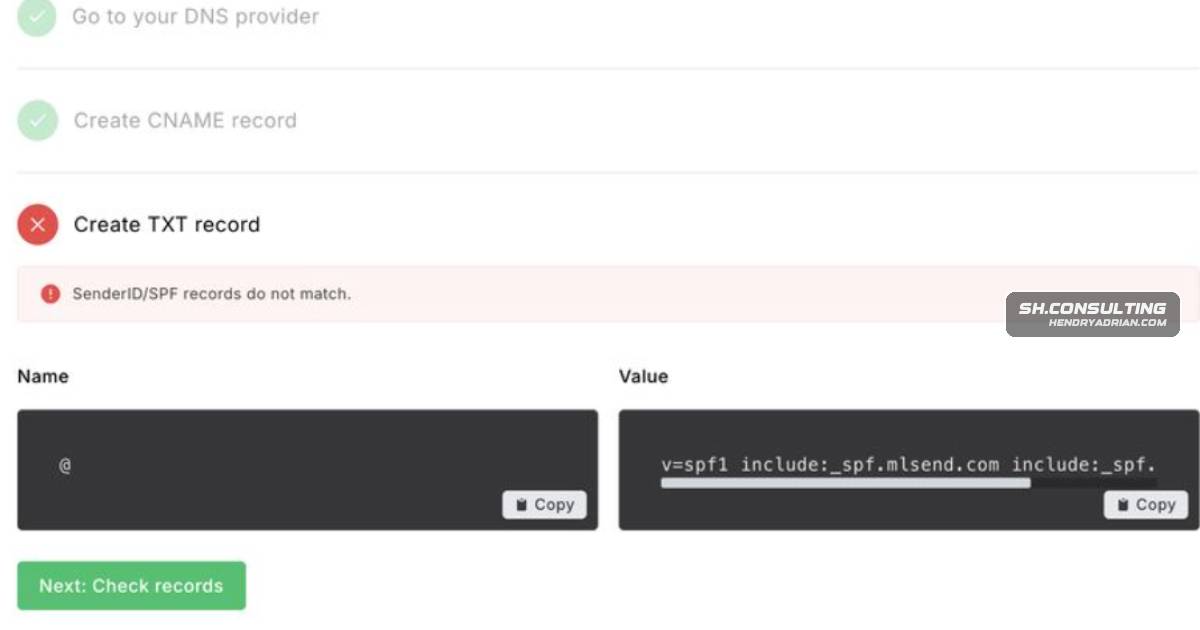
The article explains how root-domain SPF includes for shared ESP IP pools can let spoofed mail pass SPF and DMARC despite p=reject. It recommends auditing includes and moving ESP authentication to dedicated sending subdomains.
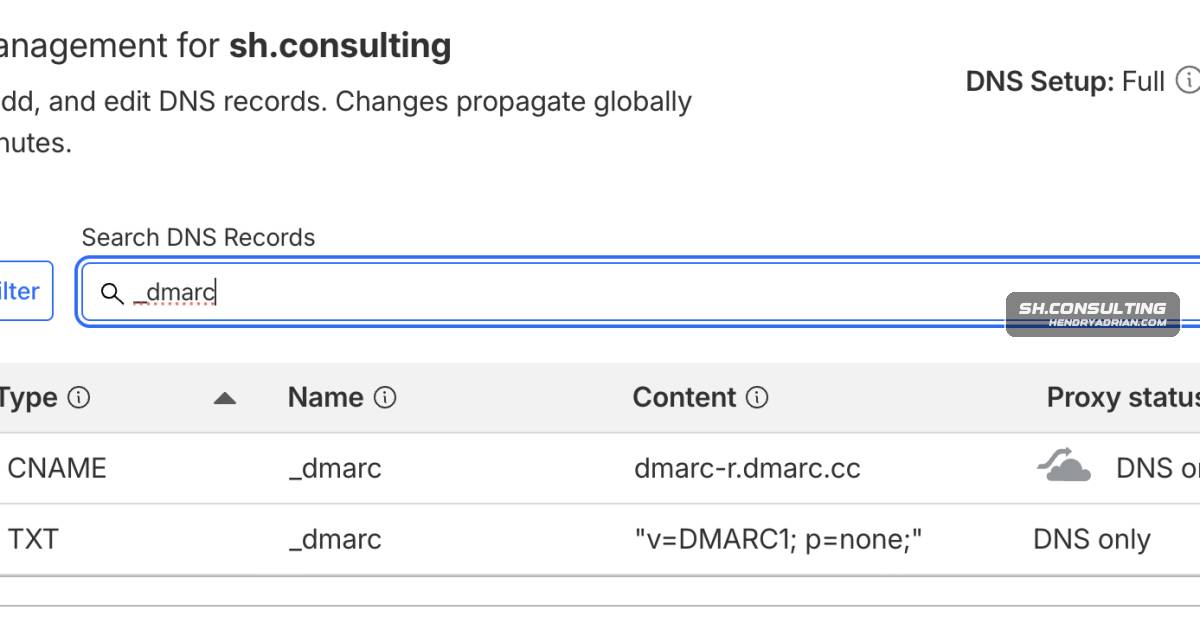
The article explains how Cloudflare may accept conflicting DMARC CNAME and TXT records written during ESP onboarding, causing receivers to ignore the policy, and offers steps to detect, fix, and monitor the issue.
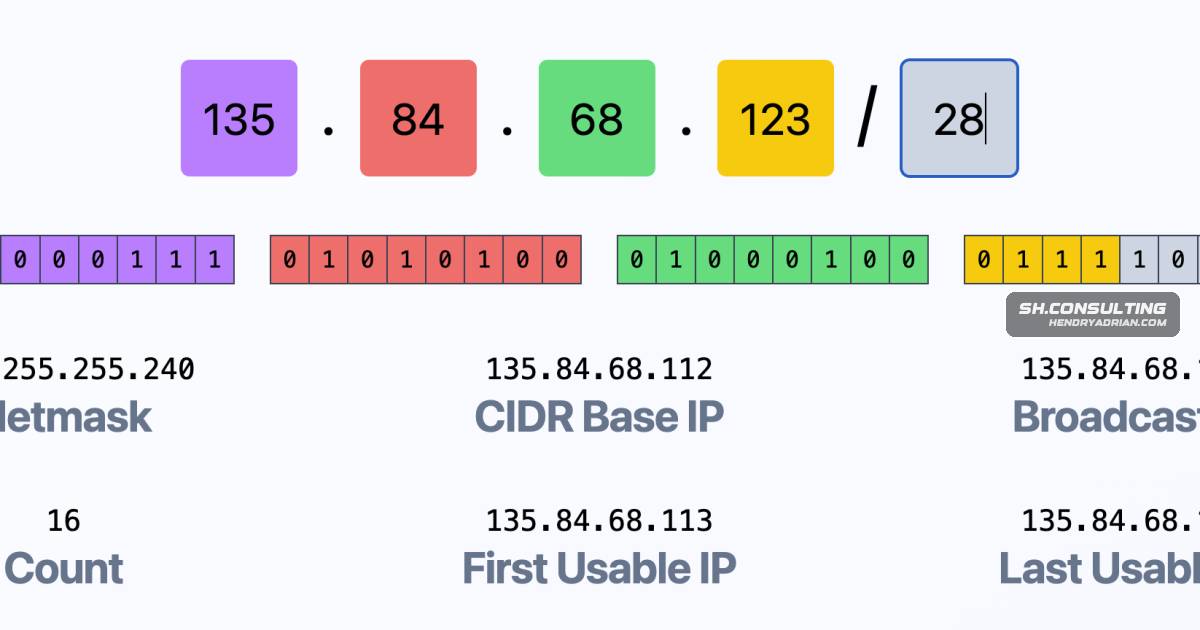
A misaligned IPv4 CIDR in an SPF record can produce inconsistent receiver results and cause legitimate mail to fail under DMARC p=reject. The article recommends checking network boundaries, lookup limits, mechanisms, aggregate reports and test sends.
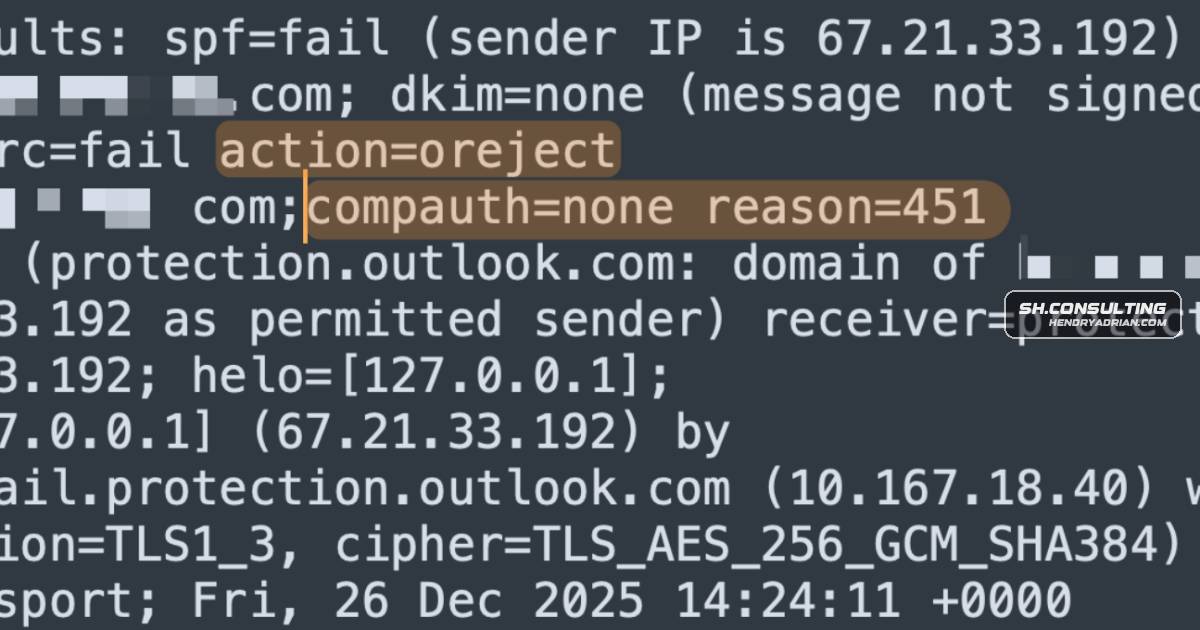
SH Consulting reports that Microsoft 365 may deliver messages despite DMARC p=reject when mail arrives through trusted third-party gateways, and recommends restricting inbound connectors; RejectDirectSend blocks only the Direct Send path.
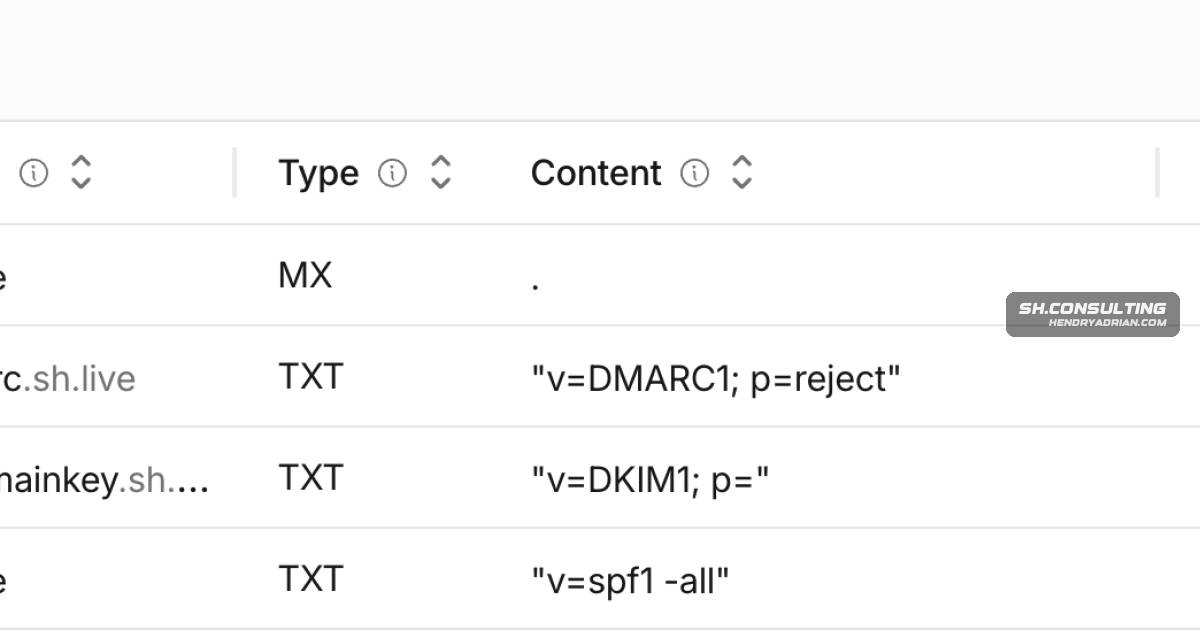
The article recommends four DNS records to reduce email spoofing from parked domains: null MX, SPF with no permitted senders, DMARC p=reject, and wildcard DKIM revocation. It also covers portfolio inventory, deployment, and optional controls.
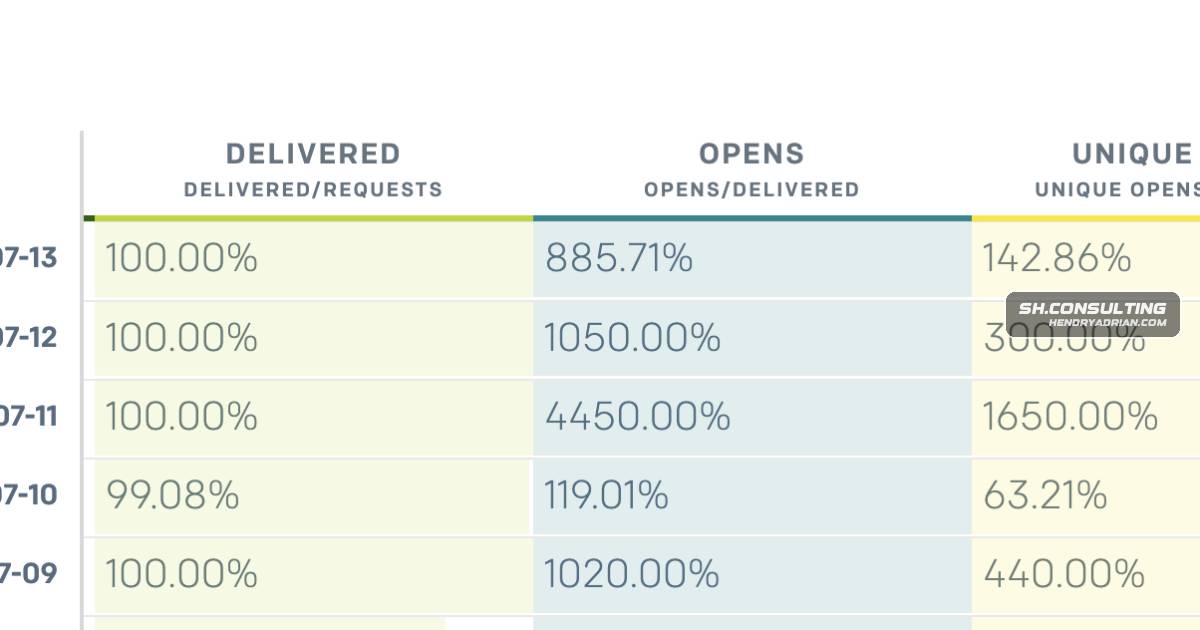
The article describes how attackers can replay a DKIM-signed email from a hijacked account, causing tracking events to spike. It recommends alerting on single-message open rates above 1,000% and investigating account activity.
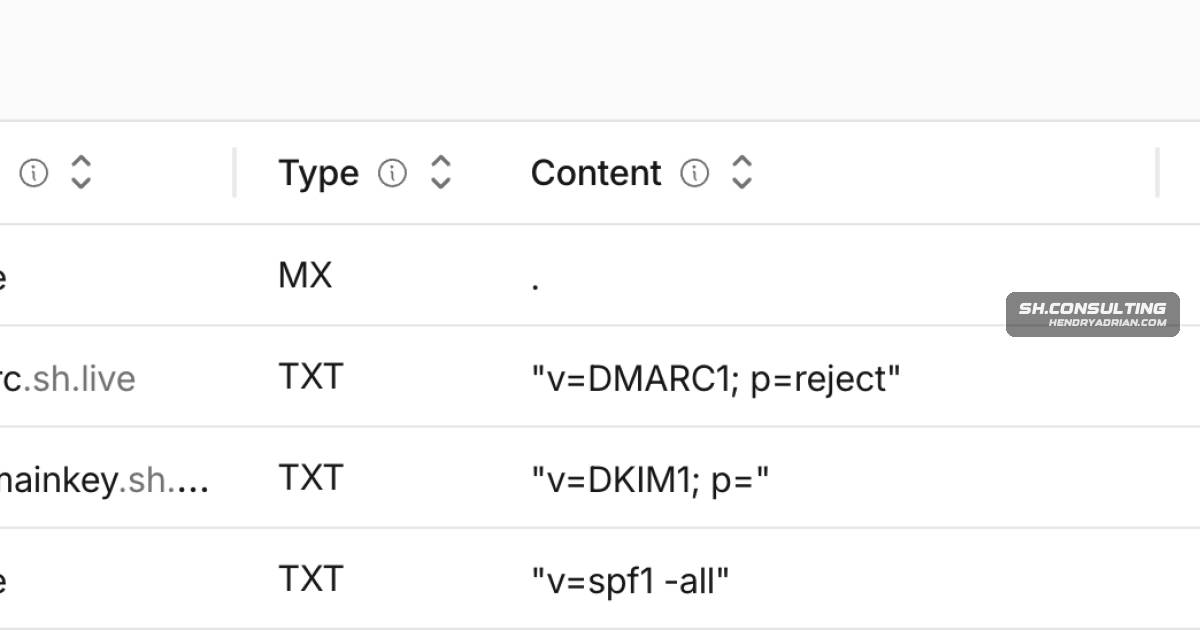
The article explains three reasons parked domains may be blocked—category-based filtering, unauthenticated mail, or abuse-related blocklisting—and recommends changing the domain destination, checking mail use and authentication, and addressing abuse before requesting a
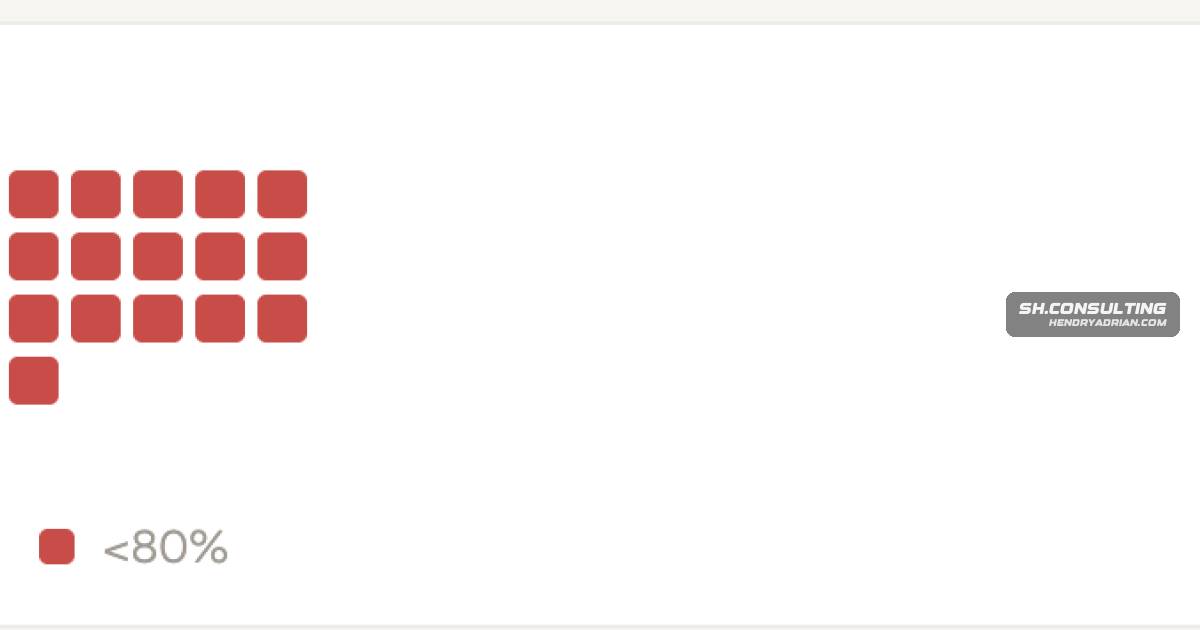
Monitoring 364 domains belonging to a real estate team found 79 parked domains sending unauthenticated email. The publisher says DNS lockdown records reduced delivery, with remaining spoofed messages rejected by mailbox providers.

The guide recommends auditing and authenticating every legitimate sender, monitoring DMARC reports, then gradually moving through quarantine to reject. It cautions that forwarding and some non-compliant receivers can limit enforcement.

The article describes social engineering risks for K–12 schools, including impersonation and attacks beyond email, and recommends auditing communication channels, verifying sensitive requests, training staff and extending filtering protections.