
Why Firewalls and Blocklists Flag Parked Domains—and How to Fix It
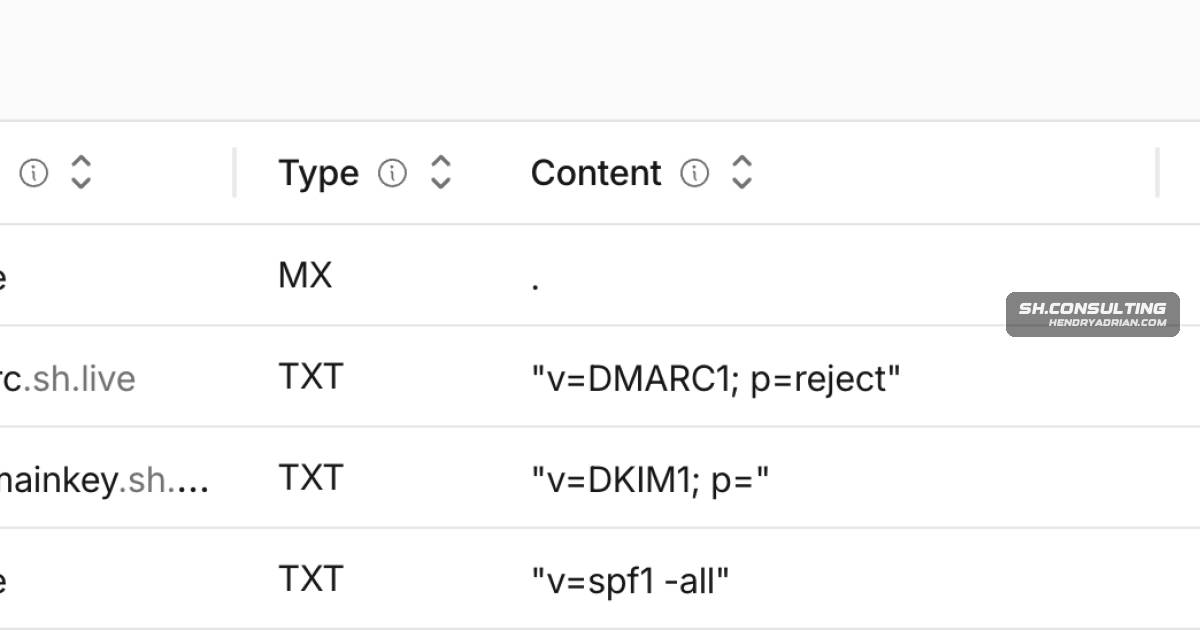
Summary
The article explains three reasons parked domains may be blocked—category-based filtering, unauthenticated mail, or abuse-related blocklisting—and recommends changing the domain destination, checking mail use and authentication, and addressing abuse before requesting a
Key points
- Security products may block parked domains as a category because parked pages can be used for phishing redirects or malware delivery; pointing the domain to a real page or redirect may resolve misclassification.
- Rejected mail from a parked domain may come from a forgotten legitimate system or spoofing; identify the sender and check the domain’s email authentication records.
- Spoofed mail containing a parked domain’s URLs can lead to blocklisting even if the domain has not sent legitimate messages.
- The article recommends checking SURBL and other blocklists; it gives surbl[.]org/lookup as one lookup option.
- For a listed domain, the recommended sequence is to publish protective DNS records, stop the abuse, and request delisting with documentation.
Article Details
- Defense Focus
- Diagnose why a parked domain is blocked or listed, remediate the underlying cause, and reduce the risk of email spoofing and future abuse.
- Detection Methods
- Check whether the domain is listed on SURBL and other blocklists.
- Identify which legitimate systems, if any, are still sending email from the domain.
- Review the domain's DNS authentication records and investigate bounce messages referencing the domain.
- Data Sources
- Domain DNS records, including SPF and DMARC
- Email bounce messages
- Information about systems sending mail from the domain
- SURBL and other blocklist lookup results
- Platforms
- Corporate firewalls
- Corporate DNS filters
- Mailbox providers
- Defensive Actions
- If the domain is blocked because it serves a default parking page, point it to a real page or redirect it to the primary domain.
- Confirm whether legitimate systems still send email from the domain and address any unwanted or forgotten mail flow.
- Publish the recommended DNS protection records, including SPF and DMARC, to reduce spoofing and abuse.
- If the domain is listed, request delisting and provide documentation of the remediation.