
Hexacon 2025 Opening: Renaud Feil on AI, Offensive Security and Ethics
· 14:00 · Watch on YouTube ↗
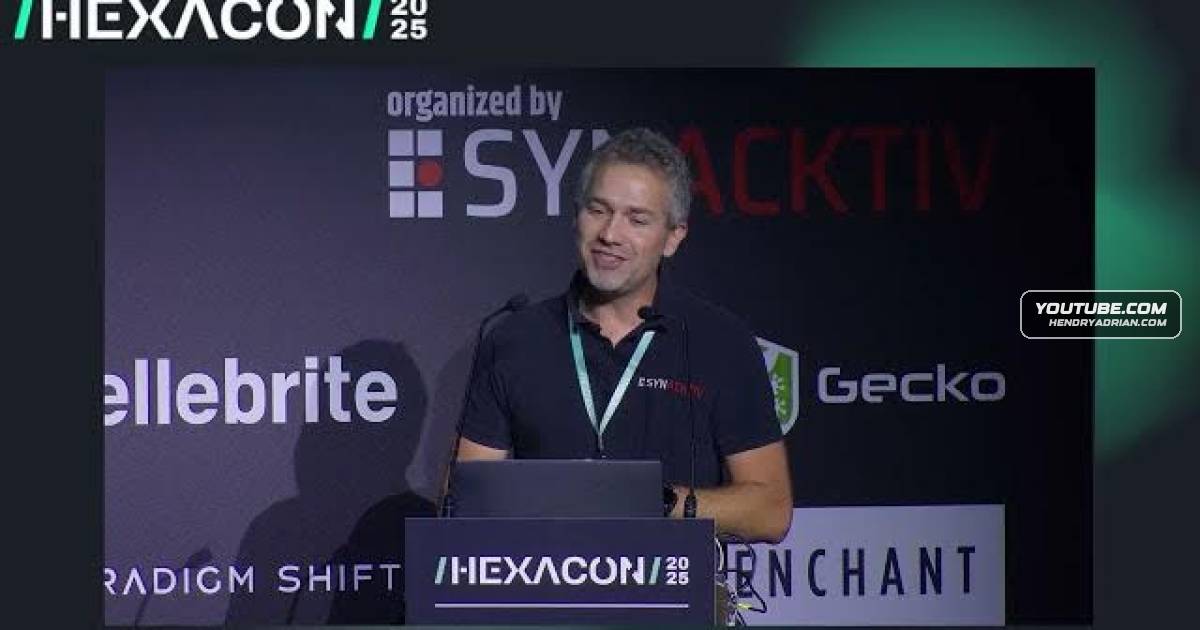
Summary
Hexacon opening speaker Renaud Feil discusses how AI and automation may change vulnerability research, why practitioners should retain hands-on code-analysis skills, and the ethical responsibilities of offensive security work.
Key points
- Feil argues that understanding code and systems remains valuable even as automated and AI-based tools advance.
- He encourages newcomers to practice manual vulnerability research, including reading assembly and analyzing control flow.
- He suggests that over-reliance on automated tools could make security work less engaging, while tools can also speed up tedious tasks.
- He says offensive security professionals face difficult choices about whom they work for amid geopolitical and legal constraints.
- He describes privacy and encryption as dual-use, and says offensive tools should be provided only to responsible partners.
Article Details
- Topics
- [00:50] Skills and value in the cybersecurity industry
- [03:28] Automation and AI in vulnerability research
- [06:44] Manual analysis and learning for new security researchers
- [08:21] Geopolitics and ethical choices in offensive security
- [10:00] Privacy and encryption as dual-use technologies
- [12:25] Responsibility in the sale and use of hacking tools
People
Donaka KarilIdentified by Feil as an invited representative from Amnesty International, whose work protecting journalists was praised.Ivan KirstitchIdentified by Feil as Apple's head of security engineering and architecture and an invited conference participant.Renaud FeilOpening speaker at Hexacon 2025 and one of the founders of Sinactive; discusses offensive security, vulnerability research, and professional ethics.