
Silver Fox Uses Tax-Themed Phishing to Deliver Winos 4.0 in Taiwan
Summary
FortiGuard Labs reports Taiwan tax-themed phishing delivering Winos 4.0 (ValleyRat) through LNK and DLL-sideloading chains. The malware abuses a vulnerable driver, targets security processes and loads plugins in memory; researchers link campaigns to a Silver Fox subroup
Key points
- FortiGuard Labs describes campaigns using Taiwanese tax and e-invoice lures to deliver Winos 4.0 (ValleyRat) through malicious archives, links and DLL sideloading.
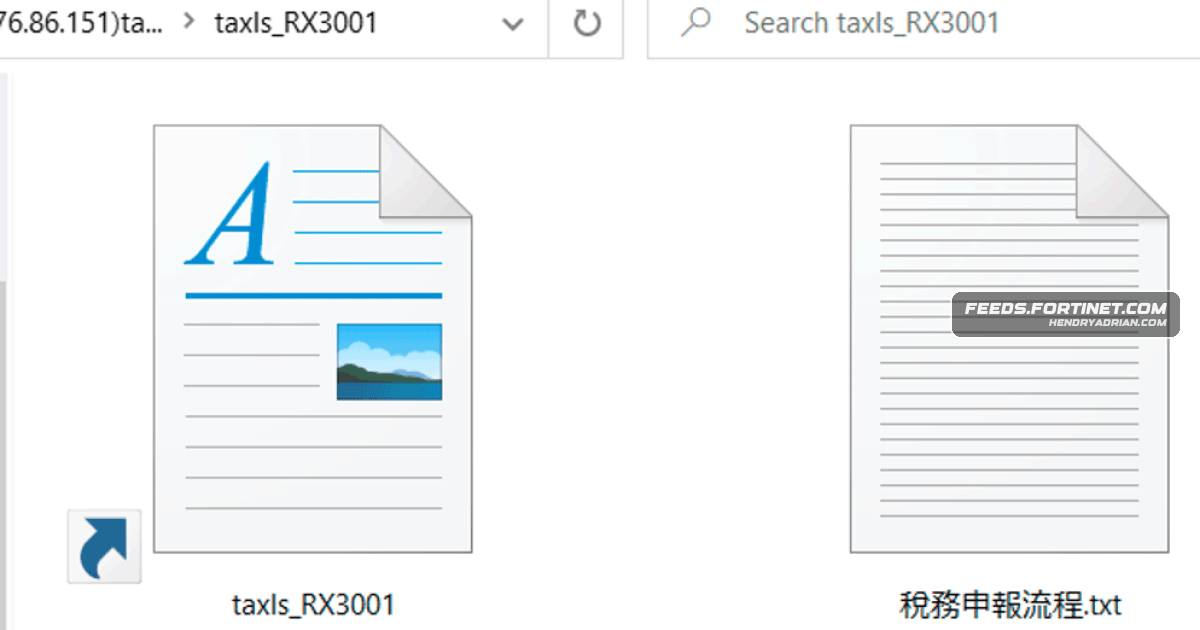
- One infection chain uses an LNK to run obfuscated commands, disguise curl.exe as url.exe and download a next-stage payload.
- Winos 4.0 uses Debug Object Hijacking for UAC bypass and abuses the wsftprm.sys driver through BYOVD to obtain kernel privileges.
- The malware monitors for and terminates processes associated with security products.
- It hides its C2 address with Base64 encoding and stores plugins in the registry for in-memory loading, including modules for file management, screen capture and remote control.
- FortiGuard links the campaigns to a Silver Fox subgroup based on shared infrastructure and registrant details, a recurring C2, a development MachineID and reused project strings.
Article Details
- Attack Vectors
- Tax-themed phishing emails and malicious links distribute weaponized RAR archives, LNK files, and e-invoice lures to Taiwanese targets.
- A malicious LNK runs obfuscated cmd.exe commands, copies curl.exe as url.exe, and downloads Setup64.exe.
- Malicious DLLs are sideloaded through legitimate applications.
- Winos 4.0 uses wsftprm.sys in a BYOVD attack and Debug Object Hijacking to gain kernel and elevated privileges.
- The malware terminates security-related processes and retrieves plugins from C2, storing them in the registry for in-memory loading.
- Defensive Notes
- Treat documents and links from untrusted sources with caution, particularly tax-themed and e-invoice lures.
- Static domain blocking alone may be insufficient because the campaign uses rotating domains and cloud-hosted downloads.
- The article reports that up-to-date FortiGuard Antivirus signatures detect and block the described malware components.
- FortiGuard CDR can remove active code embedded in documents while preserving document usability.
- FortiGuard IP Reputation and Anti-Botnet Security Service is described as blocking infrastructure associated with the campaign.
Indicators of compromise
| Type | Indicator | Context |
|---|---|---|
| DOMAIN | bqdrzbyq[.]cn | Attacker-used domain that delivered Setup64.exe. |
| DOMAIN | etaxtw[.]cn | Listed as campaign hosting and distribution infrastructure. |
| DOMAIN | lmaxjuyh[.]cn | Listed as campaign hosting and distribution infrastructure. |
| DOMAIN | njhwuyklw[.]com | Phishing redirect domain that leads to a cloud-hosted E-Invoice.rar download. |
| DOMAIN | taukeny[.]com | Listed as campaign hosting and distribution infrastructure. |
| DOMAIN | taxfnat[.]tw | Phishing domain used to impersonate an official Taiwanese domain and redirect victims to a malware download. |
| DOMAIN | taxhub[.]tw | Listed as campaign hosting and distribution infrastructure. |
| DOMAIN | taxpro[.]tw | Listed as campaign hosting and distribution infrastructure. |
| DOMAIN | tkooyvff[.]cn | Listed as campaign hosting and distribution infrastructure. |
| DOMAIN | twswsb[.]cn | Listed as campaign hosting and distribution infrastructure. |
| DOMAIN | twtaxgo[.]cn | Campaign domain hosting a malicious archive and listed among the campaign's distribution infrastructure. |
| IPV4 | 47[.]76[.]86[.]151 | Recurring Winos 4.0 C2 address used by the campaigns. |
| SHA256 | 156f31b37ee0d6e7f87cdc94dcd2d3b084b2e15da08bd8588e17d6bdc43159fe | Hash identified in the article as a known malicious file hash for AISafeSDK64.dll. |
| SHA256 | 64ee7a2e6259286311c8ba1c7b6d30e1e52fe78befcfd1b71b291c788f3e3e6a | Hash identified in the article as a known malicious file hash for Setup.exe. |
| URL | hxxps[:]//sdfw2026024[.]tos-cn-shanghai[.]volces[.]com/E-Invoice.rar | Cloud-hosted archive download used in the phishing campaign. |
| URL | hxxps[:]//twmoi2002[.]tos-cn-shanghai[.]volces[.]com/E-Invoice.rar | Cloud-hosted archive download used in the phishing campaign. |
| URL | hxxps[:]//twtaxgo[.]cn/uploads/20260129/taxIs_RX3001.7z | Malicious archive URL associated with the campaign. |
MITRE ATT&CK
T1027 · Obfuscated Files or InformationThe campaign uses obfuscated command strings and Base64-encoded data to conceal commands and malware configuration.T1036 · MasqueradingThe downloader copies curl.exe into a working directory and renames it url.exe.T1057 · Process DiscoveryWinos 4.0 monitors active processes and compares them with a hardcoded list of security-related processes.T1059.003 · Windows Command ShellThe LNK invokes cmd.exe with obfuscated commands to create a directory, masquerade curl.exe, and download Setup64.exe.T1071.001 · Web ProtocolsWinos 4.0 connects to its C2 over web protocols to retrieve its core component and plugins.T1105 · Ingress Tool TransferThe campaign downloads Setup64.exe and E-Invoice.rar from attacker-used domains and cloud-hosted URLs.T1204.002 · Malicious FileVictims are deceived into opening a RAR archive containing a malicious LNK file.T1215 · Kernel Modules and ExtensionsWinos 4.0 uses the wsftprm.sys kernel-mode driver in a BYOVD attack to obtain kernel privileges.T1548 · Abuse Elevation Control MechanismWinos 4.0 attempts UAC bypass through Debug Object Hijacking and computerdefaults.exe when it lacks administrative privileges.T1562.001 · Disable or Modify ToolsThe malware terminates processes associated with security products to reduce interference.T1566 · PhishingTax-themed phishing emails and links deliver weaponized attachments and malware downloads.T1574.002 · DLL Side-LoadingA malicious DLL is loaded through a legitimate application in the archive-based campaign.
Threat Actors
Malware
ValleyRATFortiGuard Labs observed tax-themed phishing campaigns in Taiwan delivering Winos 4.0 (ValleyRat) via weaponized attachments, DLL sideloading, and BYOVD driver abuse to achieve persistence, privilege escalation, andWinos 4.0FortiGuard Labs observed tax-themed phishing campaigns in Taiwan delivering Winos 4.0 (ValleyRat) via weaponized attachments, DLL sideloading, and BYOVD driver abuse to achieve persistence, privilege escalation, and
Vendors
Products
FortiClientThe FortiGuard AntiVirus service engine is integrated into FortiGate, FortiMail, FortiClient, and FortiEDR.FortiEDRThe FortiGuard AntiVirus service engine is integrated into FortiGate, FortiMail, FortiClient, and FortiEDR.FortiGuard AntivirusThe malware described in this report is detected and blocked by FortiGuard Antivirus as:FortiGuard CDRThe FortiGuard CDR (Content Disarm and Reconstruction) service, available on both FortiGate and FortiMail, can neutralize malicious content embedded in documents by removing active code while preserving documentFortiGuard IP Reputation and Anti-Botnet Security ServiceThe FortiGuard IP Reputation and Anti-Botnet Security Service proactively blocks infrastructure associated with this campaign by correlating malicious IP intelligence collected from Fortinet’s global sensor network,FortiMailThe FortiGuard AntiVirus service engine is integrated into FortiGate, FortiMail, FortiClient, and FortiEDR.Fortinet FortiGateThe FortiGuard AntiVirus service engine is integrated into FortiGate, FortiMail, FortiClient, and FortiEDR.FortiPhish Phishing Simulation ServiceThe FortiPhish phishing simulation service further supports user resilience by actively training and testing end users against real-world phishing techniques, including impersonation, Business Email Compromise (BEC),FortiSandboxIn addition, real-time anti-phishing protection provided by FortiSandbox, embedded across Fortinet’s FortiMail, web filtering, and antivirus solutions, enables advanced detection of both known and unknown phishingMicrosoft WindowsAffected Platforms: Microsoft Windows
Countries
Chinahxxp://taxfnat[.]tw/ to impersonate an official Taiwanese domain, while actually redirecting victims to a China-based cloud service at hxxps://twmoi2002.tos-cn-shanghai.volces[.]com/E-Invoice.rar to download aTaiwanFortiGuard Labs observed tax-themed phishing campaigns in Taiwan delivering Winos 4.0 (ValleyRat) via weaponized attachments, DLL sideloading, and BYOVD driver abuse to achieve persistence, privilege escalation, and