
LinkedIn script scans for 6,236 browser extensions and collects device signals
Summary
BleepingComputer observed LinkedIn loading a script that probes 6,236 Chrome extensions and collects device signals. LinkedIn says scans support anti-scraping and site stability; claims that data is used to profile users or identify customers remain unverified.
Key points
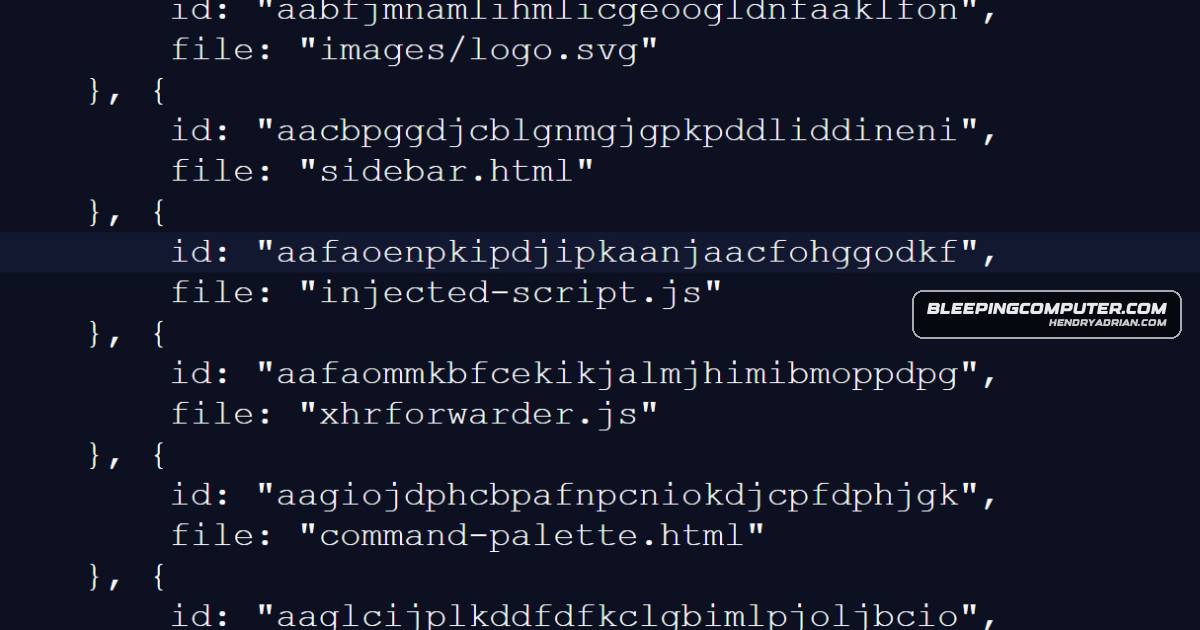
- BleepingComputer observed LinkedIn loading a randomized JavaScript file that probes for 6,236 browser extensions by checking associated resources.
- The script also collects device signals including CPU cores, memory, screen resolution, timezone, battery, audio, and storage information.
- Fairlinked’s BrowserGate report alleges extension detections are linked to identifiable profiles and used to identify users of competing sales tools; BleepingComputer could not verify those data-use claims.
- LinkedIn says it detects extensions to address scraping, improve technical defenses, protect members, and maintain site stability, and denies using the data to infer sensitive information.
- The dispute involves the Teamfluence extension developer; a German court denied the developer’s request for a preliminary injunction.
Article Details
- Event Type
- Browser extension detection and device fingerprinting by LinkedIn
- Impact
- BleepingComputer confirmed that LinkedIn loads a script that checks for 6,236 browser extensions and gathers device signals, including CPU, memory, screen, timezone, battery, audio, and storage information. Fairlinked alleges extension fingerprints are linked to identifiable profiles and used to infer competitor customers and target users, but BleepingComputer could not verify those data-use claims. LinkedIn says it uses extension detection to counter scraping, protect members, and maintain site stability, and denies using the data to infer sensitive information.
Vendors
Products
ApolloFairlinked claims extension fingerprints are linked to identifiable profiles and used to extract competitor customer lists like Apollo, Lusha, and ZoomInfo.Google ChromeThis detection is visible inside the Chrome developer console.LinkedInA report called “BrowserGate” alleges LinkedIn injects hidden JavaScript to scan visitors’ browsers for thousands of extensions and collect detailed device fingerprints tied to real LinkedIn profiles.LushaFairlinked claims extension fingerprints are linked to identifiable profiles and used to extract competitor customer lists like Apollo, Lusha, and ZoomInfo.TeamfluenceBleepingComputer confirmed a script probing over 6,000 extensions while LinkedIn says the detections are used to block scraping and protect site stability in a dispute involving the Teamfluence developer.ZoomInfoFairlinked claims extension fingerprints are linked to identifiable profiles and used to extract competitor customer lists like Apollo, Lusha, and ZoomInfo.