

Hunt IO Details Techniques for Detecting Exposed PrismX Deployments
Hunt IO demonstrates how to identify PrismX login pages using certificate, HTTP-header, and HTML fingerprints, and reports finding servers also associated with Cobalt Strike.
Hunt IO demonstrates how to identify PrismX login pages using certificate, HTTP-header, and HTML fingerprints, and reports finding servers also associated with Cobalt Strike.

Hunt analyzed an open directory hosting Google and Naver phishing pages, a modified Xeno-RAT sample, and victim data. Infrastructure and tactics show overlaps with Kimsuky, though attribution remains uncertain.

A phishing campaign impersonates investment partners on Telegram and tricks blockchain entrepreneurs into running a malicious AppleScript. Infrastructure similarities suggest a possible Lazarus Group link, but attribution is unconfirmed.
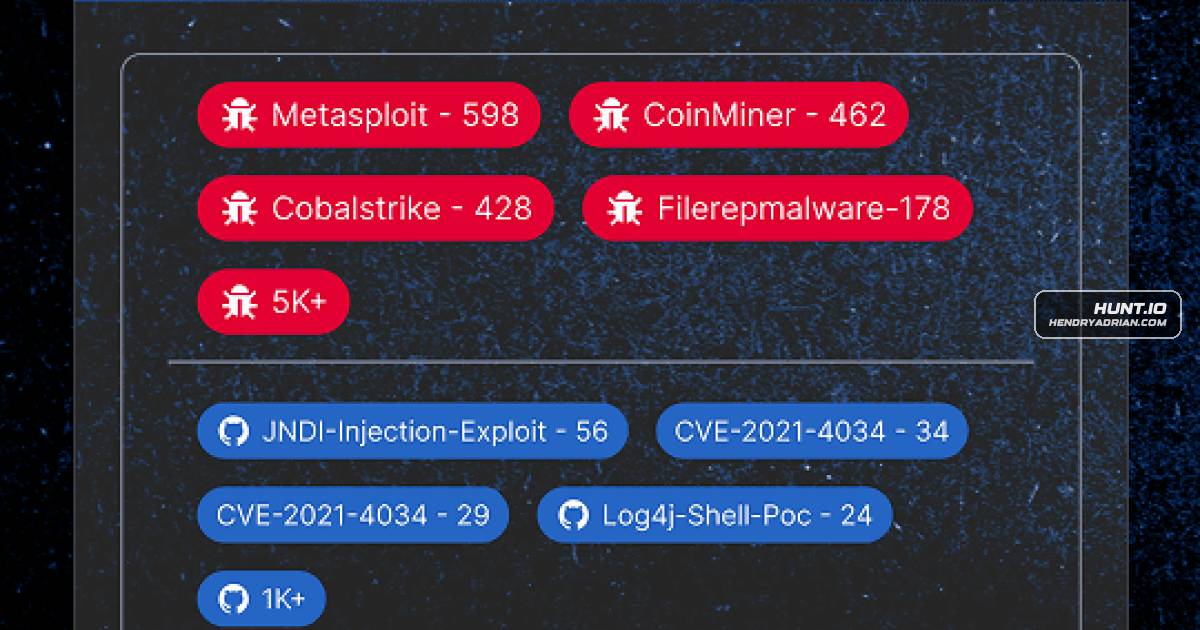
Hunt introduced Tag Cloud, a feature that labels and visualizes threat-intelligence artifacts and activity to help security professionals identify patterns, assess exposed directories, and support threat hunting.

Hunt IO researchers identified 30+ servers linked to suspected ShadowPad activity using certificates spoofing Dell. Twelve exposed HTTP on port 53; researchers also noted impersonating domains and possible infrastructure clusters.

A high-level overview profiles eight state-linked threat groups, outlining their suspected origins, motivations, target sectors, and reported malware and tactics, including espionage, phishing, credential theft, and surveillance.
A hunting walkthrough examines an open directory containing a cryptocurrency phishing site and XWorm RAT, showing how its files attempt to steal credentials and recovery phrases and how scripts download and execute additional files.
Hunt.io explains how defenders can identify malicious C2 servers using internet scanning and indicators such as TLS certificates, HTTP responses, protocol behavior, and code-derived patterns.

Hunt.io describes methods for identifying malicious C2 servers and introduces a JSON feed that uses internet scanning, focused monitoring, validation, and regularly updated signatures to provide near-real-time infrastructure intelligence.
Hunt says IOC-Hunter monitors more than 140 security sources and uses ChatGPT’s API to extract IOCs, including IP addresses, hostnames, and file hashes, then provides context through its dashboard.
Hunt describes two open-directory malware delivery cases: one involving AsyncRAT and BITS, and another using a Python executable and Fernet-encrypted shellcode detected as Cobalt Strike-related.

Hunt describes using GPS predictive scanning to identify services on non-standard ports, then investigate them for malware. The approach found a short-lived Cobalt Strike cluster on ports 1788 and 1799 and preserved its infrastructure history.
Hunt.io describes detecting Gophish infrastructure using HTTP fingerprints such as _gorilla_csrf cookies and /login?next= URL patterns, alongside aggregated threat data and machine learning.

John Althouse discusses JA4+, a suite of network fingerprinting techniques designed to help identify threats across multiple protocols, and explains how fingerprinting supports threat hunting and detection.

Hunt.io launched a statistics page showing real-time platform activity. The company says its system collects data including open ports, certificates, service detections, HTTP pages, SSH keys, and TLS fingerprints to help identify malicious infrastructure.

Hunt IO demonstrates using infrastructure and keyword searches to find unreported servers and exposed Cobalt Strike files, including logs, keys and beacon activity linked with moderate confidence to Cobalt Strike Cat.
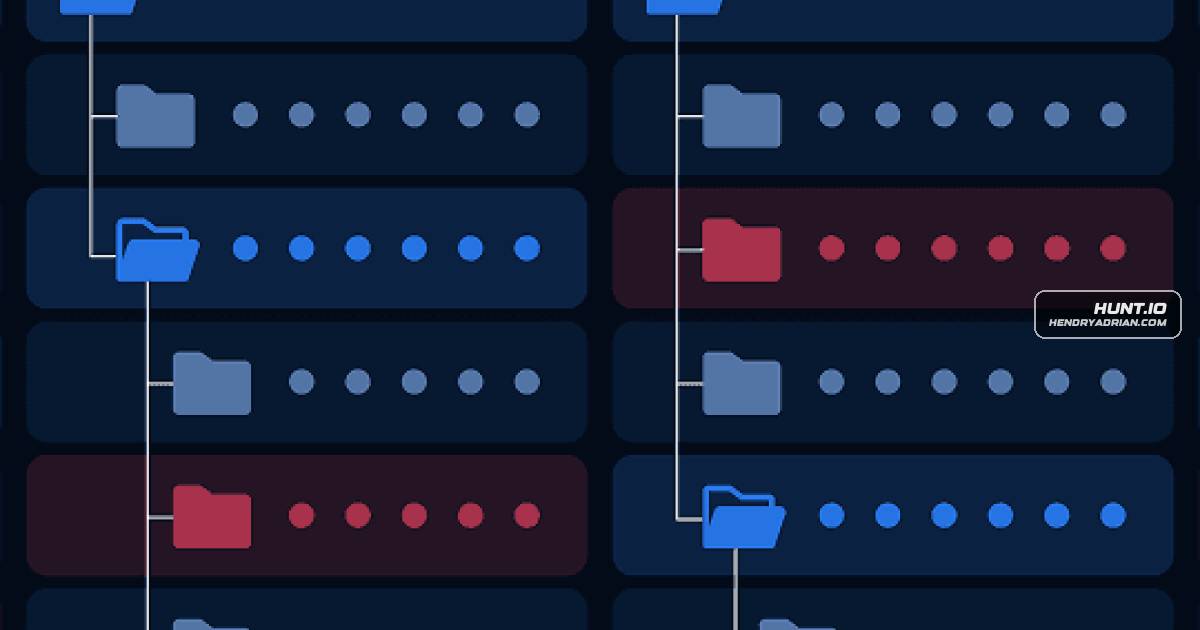
Open directories can expose sensitive files or host attacker tools and malware. The article describes indicators for finding malicious listings and how Hunt[.]io supports searching and analyzing them.

Hunt.io introduced a threat-hunting platform offering active C2 server data, open-directory analysis, bulk enrichment, and a threat intelligence interface to help security teams investigate malicious infrastructure.