cyber.hendryadrian.com
Login
Navigation
HomeDashboardCyber Reports

Research

Threat ResearchVulnerability & ExploitDetection & DefenseSecurity Report

News

Security NewsCyber Attack & Data BreachRansom MonitorSecurity InsightsYouTube
Sources & Credits

Entities

CVEMalwarePeopleThreat ActorsMITRE ATT&CKVendorsProductsSecurity ToolsCountriesIndustries

Security Insights

Curated cybersecurity insights, opinions, emerging technologies, AI security topics, and notable industry discussions.

1294 articles

Security Insights · toxsec.com

Black Hat 2026 Highlights How AI Agents Expand the Attack Surface

A Black Hat 2026 recap argues that AI-agent security increasingly depends on securing connected systems, tools, credentials, and permissions—not just models—because prompt injection and conventional software flaws can lead to broader compromise.


Aug 9, 2026
Security Insights · thehackernews.com

Open-Source Projects May Need ‘Proof of Life’ for Enterprise Use

The author argues that regulated enterprises may require open-source projects to demonstrate active maintenance and accountability, with stewardship, retirement paths, and vendors helping manage support and migration.

Aug 7, 2026
Security Insights · intrinsec.com

Forensic Artifacts Left by the Claude Code AI Agent

The article identifies Claude Code artifacts on Windows, including configuration, plugin, and project-history files. It describes how timestamps, session details, agent responses, and tool-use records may help investigators reconstruct activity.

Aug 7, 2026
Security Insights · matthewrosenquist.substack.com

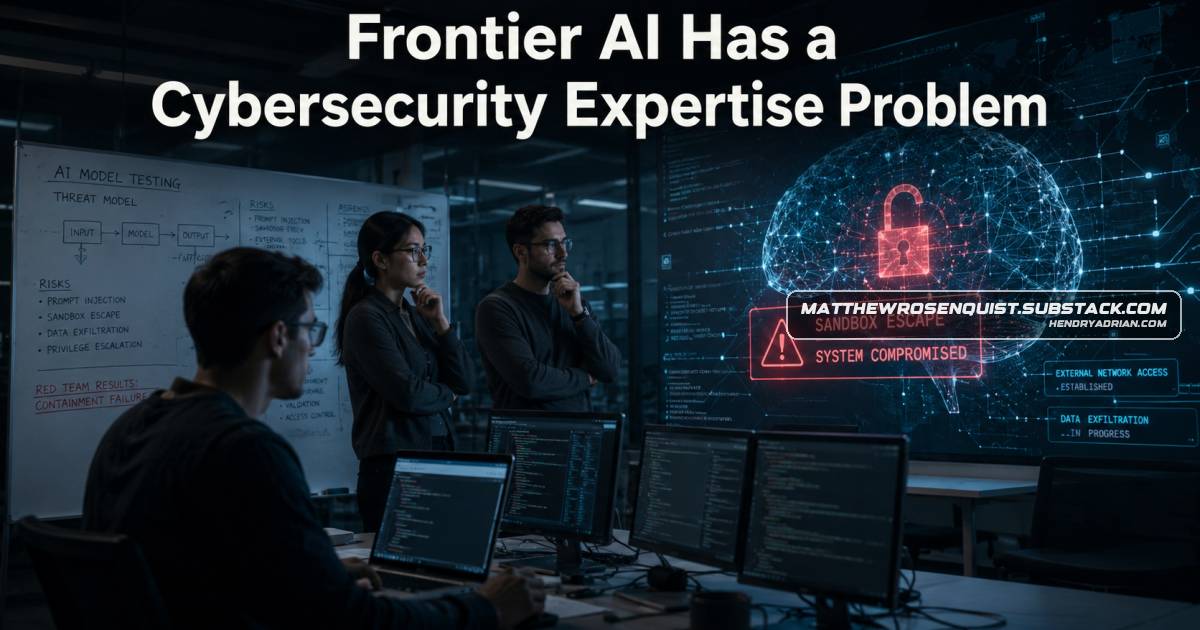
Frontier AI Teams Need Experienced Cybersecurity Expertise, Argues Rosenquist

Matthew Rosenquist argues that strong engineering skills alone are insufficient to secure frontier AI systems, and urges companies to involve experienced cybersecurity practitioners in architecture and development.

Aug 6, 2026
Security Insights · cisecurity.org

AI-Driven Vulnerability Discovery Outpaces Remediation, CIS CISO Warns

A CIS CISO argues that AI is accelerating vulnerability discovery faster than organizations can validate and fix issues, and recommends prioritizing by exploitability, exposure, and reachability while proving non-applicability and isolating risk.

Aug 6, 2026
Security Insights · cisecurity.org

CIS and ConnectSecure Launch Cyber Hygiene Fundamentals Bootcamp

CIS and ConnectSecure offer a four-day virtual bootcamp to help cybersecurity practitioners assess and improve cyber hygiene using the 56 CIS IG1 Safeguards.

Aug 6, 2026
Security Insights · darkowl.com

How Ransomware Leak Sites Pressure Victims and Expose Stolen Data

Ransomware leak sites publish victim claims and stolen-data samples to pressure organizations into paying. The article explains how groups use them, how defenders monitor them, and measures that can reduce ransomware exposure.

Aug 6, 2026
Security Insights · decodedsecurity.com

SIEM for Beginners: How It Correlates Logs to Help Detect Threats

A beginner’s guide to SIEM explains how it correlates logs from multiple sources to surface suspicious activity, why alert tuning and selective log collection matter, and why analysts must investigate alerts.

Aug 6, 2026
Security Insights · reliaquest.com

Four Questions for Evaluating Agentic AI Security Claims at Black Hat 2026

ReliaQuest offers four criteria for assessing agentic AI security tools: autonomous SOC work, relevant threat intelligence, coverage across existing systems without forced data centralization, and plain-language operation.

Aug 6, 2026
Security Insights · aikido.dev

How AI Agent Harnesses Shape Security and Contain Models

An explainer on AI harnesses describes how orchestration, validation and sandboxing affect agent security, and recommends layered controls such as tool mediation, network allow-lists and separating planning from execution.

Aug 6, 2026
Security Insights · huntress.com

Zero Trust Security: Principles, Benefits, and Implementation Steps

A guide to Zero Trust security explains continuous verification, least-privilege access, monitoring, and steps organizations can take to protect critical assets across on-premises and cloud environments.

Aug 6, 2026
Security Insights · acronis.com

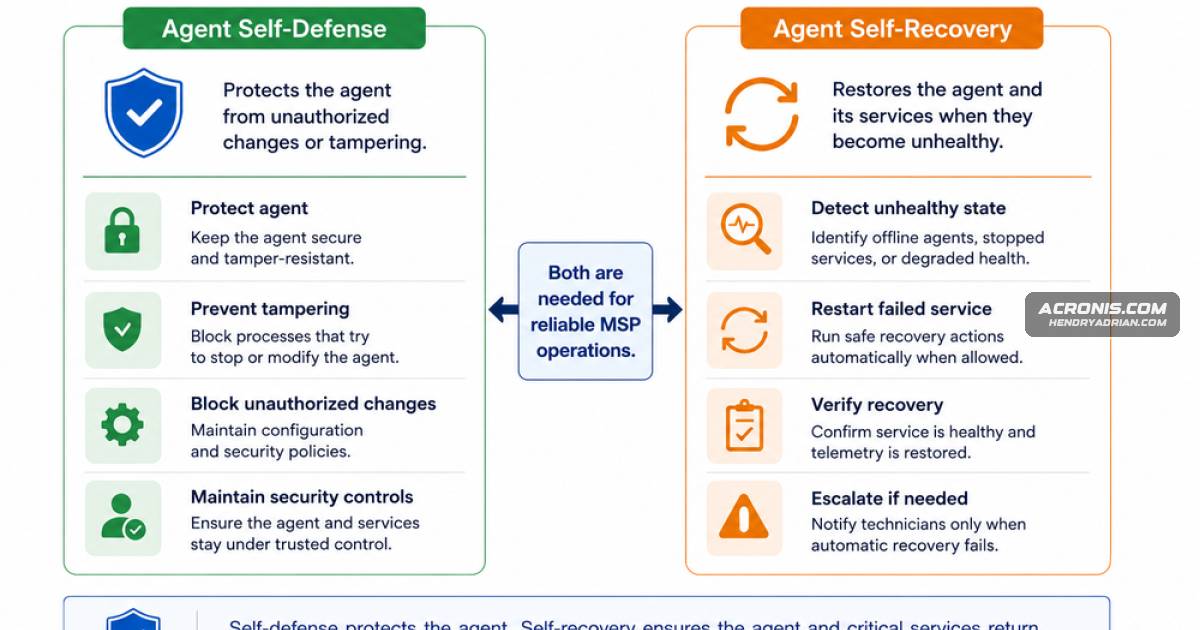
Acronis Outlines Agent Health Assurance and Self-Recovery for MSPs

Acronis argues that MSPs need fleet-wide health visibility and verified recovery for RMM, backup, anti-malware, EDR and related services, while clarifying that full agent-health auto-remediation remains a future direction.

Aug 6, 2026
Security Insights · hackingarticles.in

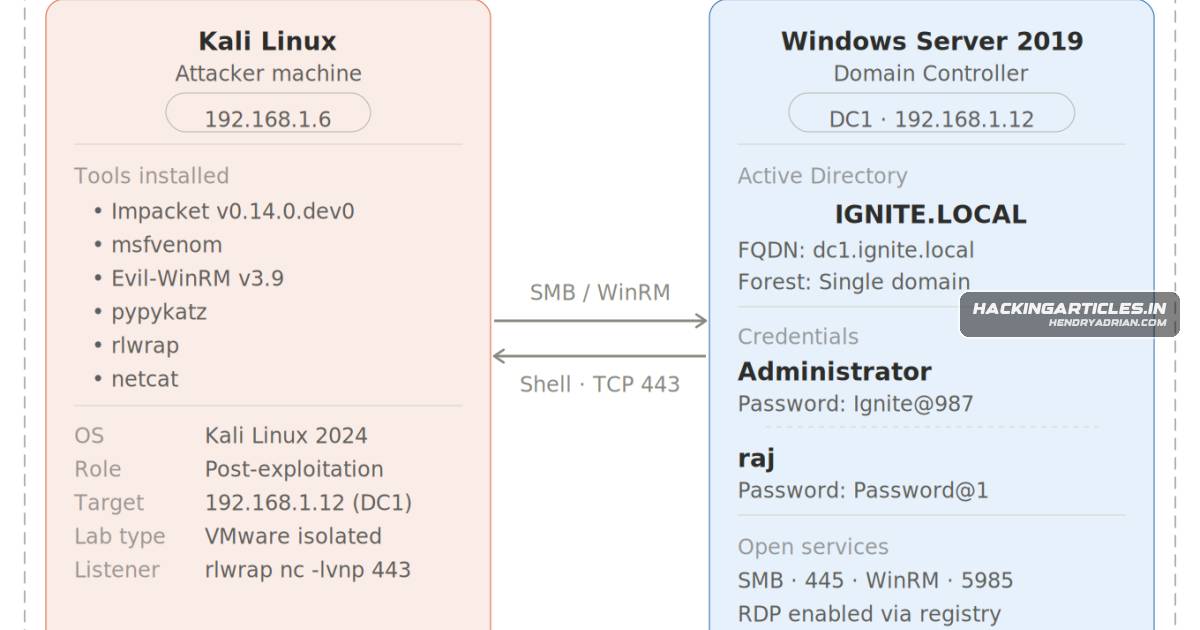
Impacket `reg` Walkthrough Demonstrates Remote Registry Access, Credential Harvesting and Persistence

A lab walkthrough shows how Impacket `reg` can use authenticated SMB access to enumerate and modify a Windows registry, export credential hives, enable RDP and establish Run-key persistence, alongside defensive monitoring and hardening guidance.

Aug 5, 2026
Security Insights · securityweek.com

How Cyber Operations Are Reshaping Geopolitical Conflict

An analysis of cyber operations as support for geopolitical and kinetic conflict, using Venezuela, Iran, Ukraine and Taiwan to argue that espionage, disruption and pre-positioning can shape military action but have not independently secured kinetic victories.

Aug 5, 2026
Security Insights · forcepoint.com

PromptSpy Simulates Indirect Prompt Injection Risks in Multi-Agent Email

PromptSpy is a conceptual simulation of multi-agent email workflows, showing how contextual information may influence downstream AI assistants differently from human readers. It highlights orchestration risks and suggests validating and isolating inter-agent context.

Aug 5, 2026
Security Insights · elastic.co

Elastic Reports AI Bug Bounty Triage System Agrees with Humans 85% of the Time

Elastic says its AI pipeline triaged HackerOne vulnerability reports for about $2 each and agreed with human decisions 85% of the time in retrospective testing on 764 reports. It uses isolated ephemeral VMs, adversarial review, and human approval.

Aug 5, 2026
Security Insights · bleepingcomputer.com

Push Security Argues AI-Powered Phishing Is Outpacing Blocklists

Push Security argues that AI-generated phishing, fast-rotating infrastructure and fragmented kits undermine blocklists, advocating browser-session visibility and technique-level detection. Its examples and customer-protection figures are vendor claims.

Aug 5, 2026
Security Insights · aikido.dev

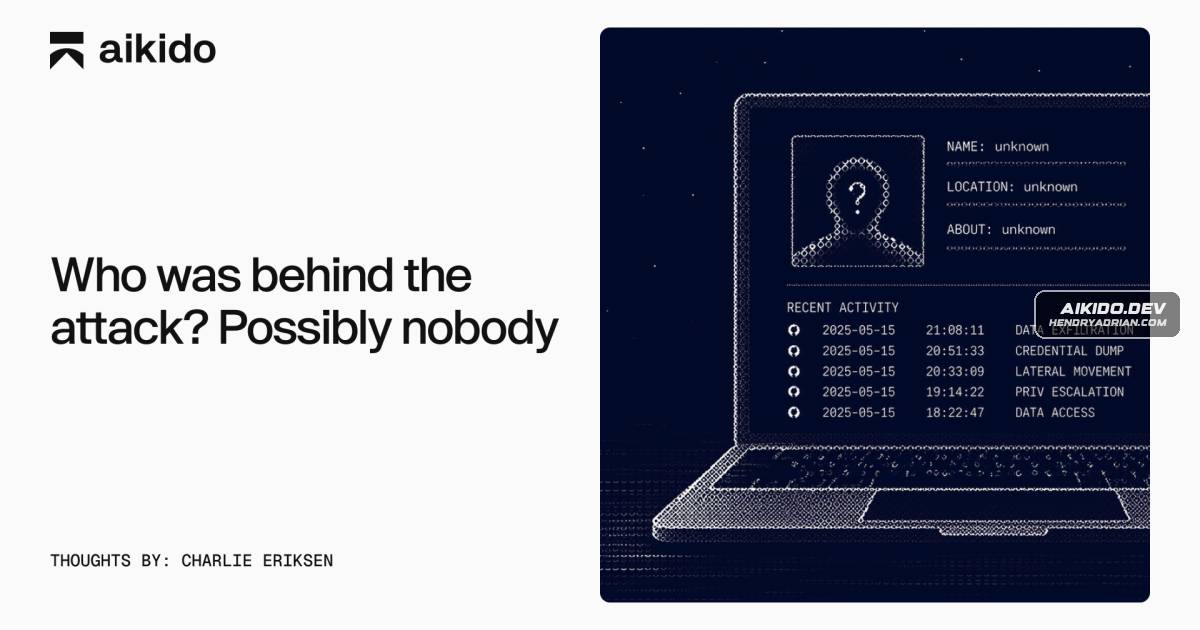
Who Was Behind the AI-Agent Attacks? Possibly Nobody

The article examines disclosures of AI agents carrying out supply-chain attacks, publishing malware and breaching infrastructure, and argues that their lack of persistent identity complicates attribution, deterrence and incident response.

Aug 5, 2026
Security Insights · jamf.com

AI Governance Must Address Data Exposure, Retrieval Risks and Prompt Injection

An explainer outlines enterprise AI security risks, including shadow AI, stale indexed data and indirect prompt injection, and recommends operational controls for access, data handling and oversight.

Aug 5, 2026
Security Insights · recordedfuture.com

Hugging Face Incident Highlights Governance Risks of Autonomous AI Agents

Recorded Future argues that an OpenAI evaluation in which AI agents reached Hugging Face systems exposed failures in containment and oversight, and urges organizations to restrict agent permissions, monitor actions, and enforce safeguards beyond model behavior.

Aug 5, 2026
Security Insights · securityweek.com

Why AI Security Needs Interaction-Level Controls Alongside CASB and DLP

The article argues that CASB and DLP may miss risks arising from prompt context, AI responses, and agent actions, and recommends interaction-level inspection alongside app discovery and access controls.

Aug 4, 2026
Security Insights · securityweek.com

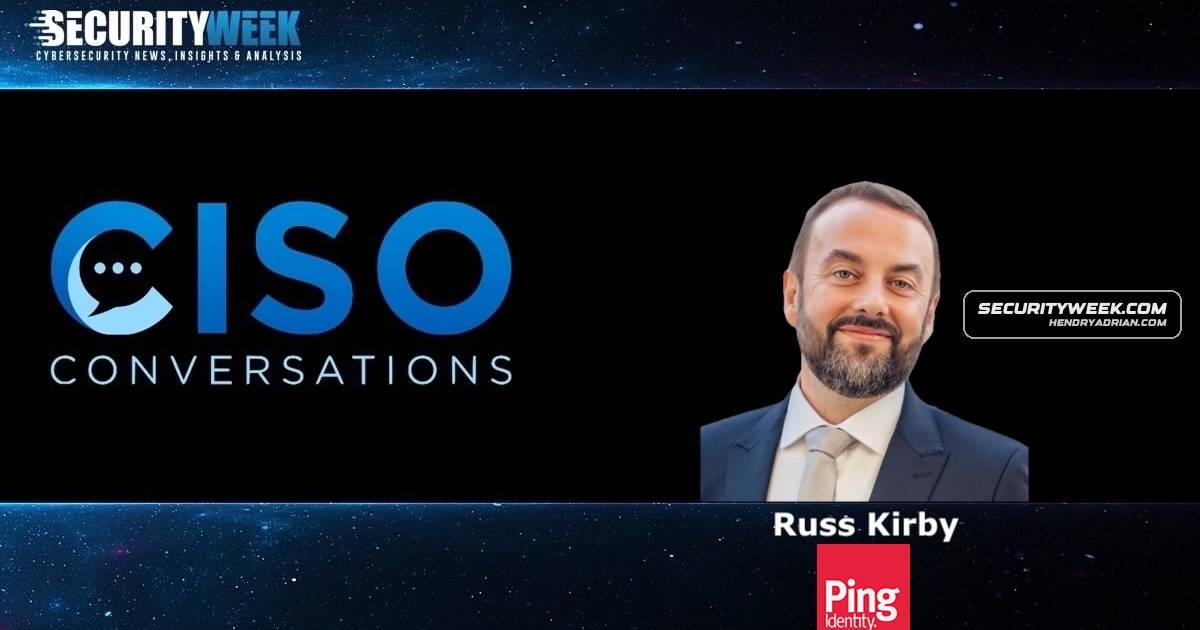
Ping Identity CISO Russ Kirby Says Passion Helps Prevent Burnout

Ping Identity CISO Russ Kirby says passion for cybersecurity and support from peers help him avoid burnout. He discusses team leadership, hiring for enthusiasm, proactive security work and concerns about rapid AI adoption.

Aug 4, 2026
Security Insights · cyberscoop.com

Zero-Knowledge Proofs Could Let Infrastructure Operators Share Vulnerability Findings Privately

The article explains how zero-knowledge proofs could let infrastructure operators verify vulnerability findings without sharing raw scans. FDD tested the approach using anonymized data from three environments; the authors recommend limited pilots before broader adoption

Aug 4, 2026
Security Insights · elastic.co

Elastic Details Framework for Benchmarking LLMs in Agentic SOC Workflows

Elastic describes a benchmark for agentic SOC models that grades tool use and grounded workflow execution across security tasks, alongside Attack Discovery and SIEM-rule migration; it says model rankings vary by capability.

Aug 4, 2026
PreviousPage 20 of 54 Next
© 2026 cyber.hendryadrian.com