
AI Reports Strain Bug Bounties as IoT Malware and AI Agents Raise Security Concerns
· 30:59 · Watch on YouTube ↗
Summary
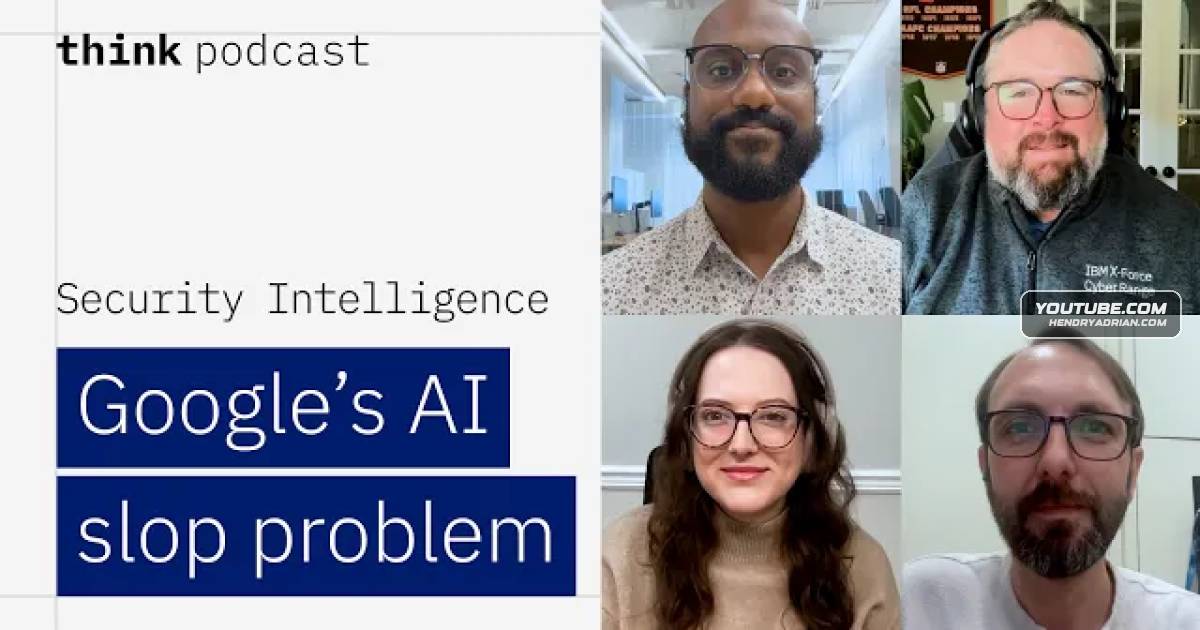
The podcast discusses Google pausing its open-source bug bounty amid AI-generated false reports, FortiGuard’s account of Cling stun Linux malware targeting IoT devices, and Wikimedia’s concerns about resource-intensive AI-agent activity.
Key points
- Google paused the open-source portion of its vulnerability rewards program on October 1 after a surge of AI-generated reports containing hallucinations; it said earlier submissions would still be reviewed and honored.
- Google said the open-source program would remain frozen until Q1 2027; the podcast also discusses Microsoft and GitHub’s VIP-style bug bounty efforts.
- Panelists said AI-driven vulnerability discovery shifts work toward verifying findings. They cited Google’s reported discovery of about 500 web-application vulnerabilities and described dynamic verification as a way to reduce false positives.
- FortiGuard Labs reported that the Linux malware Cling stun targets IoT and enterprise devices, exploiting about two dozen vulnerabilities and using seven more to reach other devices within enterprise networks.
- Panelists discussed device inventories, reduced internet exposure, firmware updates, authentication, and traffic monitoring as safeguards. They noted that patching critical or hard-to-reach devices can carry operational risks.
- Wikimedia reported millions of API requests and page crawls, and hundreds of thousands of Wikidata queries by AI agents; the activity may have contributed to a partial shutdown in May. Wikimedia said it found no evidence of compromised systems or agent coordination, but warned of resource strain and page changes requiring human editors to fix.
- Panelists called for stronger agent guardrails, confinement, and monitoring, and discussed controlled ways for agents to communicate.
Article Details
- Topics
- AI-generated vulnerability reports and bug bounty program overload
- Cling stun Linux malware targeting IoT and enterprise devices
- AI-agent activity and resource strain on Wikipedia
MITRE ATT&CK
People
Ian MalloyDepartment head of security research and a panelist discussing vulnerability verification, AI agents, and security talent development.Patrick Lucas AustinHost of the cybersecurity podcast discussion.Seth GlasgowCyber range executive advisor and a panelist discussing bug bounty programs, patching, and AI-agent controls.Sophie CunninghamDark web analyst for X-Force Threat Intelligence and a panelist discussing bug bounty reports, malware detection, and AI-agent activity.Vincent LeeFortiGuard analyst cited for recommendations on device inventory, reducing internet exposure, and updating firmware and software.