ClingSTUN Linux Backdoor Abuses Public STUN Services to Control Compromised IoT Devices
Summary
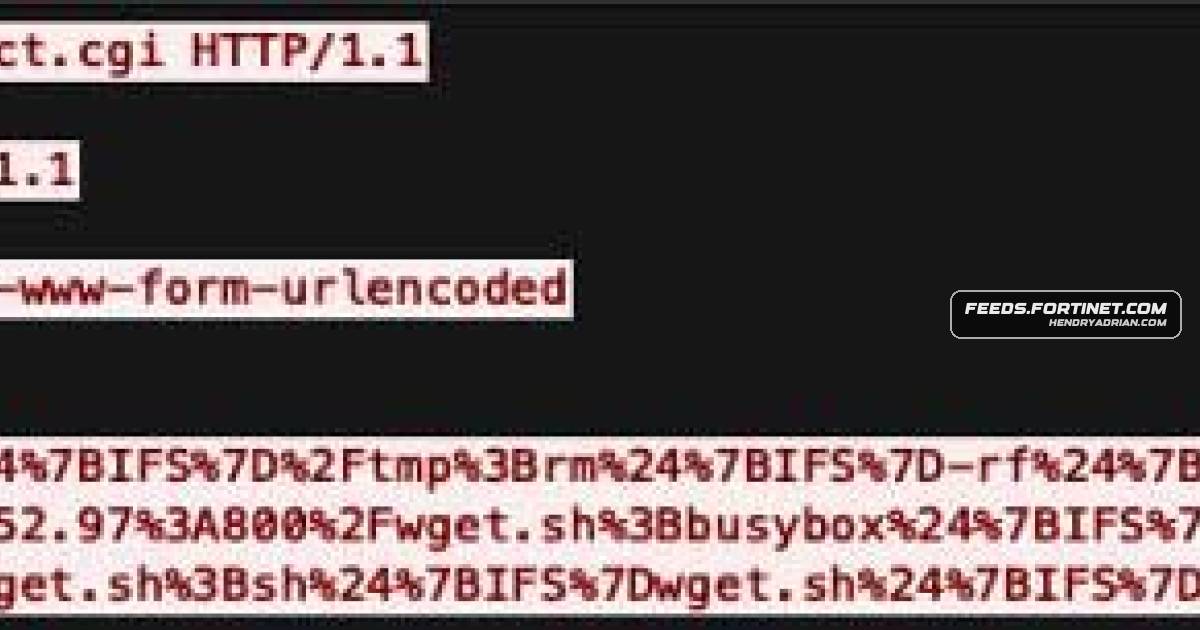
Fortinet details ClingSTUN, a persistent Linux backdoor that exploits unpatched IoT-device vulnerabilities, uses public STUN services for NAT traversal, and turns compromised systems into remotely controlled proxy nodes.
Key points
- The campaign exploits known vulnerabilities in internet-facing routers, cameras, and other IoT devices to install ClingSTUN.
- The malware persists through boot scripts, disables watchdog timers, kills competing processes, and disguises its process information.
- ClingSTUN contacts public STUN endpoints to discover external IP and port mappings and maintain NAT connectivity.
- A 20-byte control packet can trigger remote command execution or self-propagation; how operators deliver control traffic through NAT remains unverified.
- The malware includes exploits for seven vulnerabilities to spread to additional devices.
- Fortinet recommends patching or replacing unsupported devices, restricting unnecessary internet exposure, and monitoring suspicious processes and UDP traffic; it reports protections through updated FortiGuard signatures and services.
Article Details
- Attack Vectors
- Exploitation of known vulnerabilities in Internet-facing IoT devices and routers, including command injection, code injection, authentication bypass, and buffer overflow flaws.
- Delivery and execution of architecture-specific ClingSTUN binaries by downloader scripts.
- Self-propagation using hard-coded exploits for seven vulnerabilities.
- Use of public STUN endpoints for NAT traversal and connectivity between compromised devices and remote operators.
- Remote command execution through control datagrams, followed by an outbound TCP connection to an endpoint specified in the message.
- Defensive Notes
- Maintain an inventory of Internet-facing devices and track their firmware and support status.
- Promptly apply security updates, prioritizing vulnerabilities known to be actively exploited; replace or isolate devices that no longer receive updates.
- Disable or restrict unnecessary Internet-facing services.
- Monitor for suspicious processes, unexpected UDP connections, and recurring keepalive traffic; assess STUN activity in context rather than treating public STUN services as attacker-controlled infrastructure.
Indicators of compromise
| Type | Indicator | Context |
|---|---|---|
| IPV4 | 118[.]145[.]196[.]225 | Reported most recent ClingSTUN download source. |
| IPV4 | 124[.]163[.]212[.]119 | Reported ClingSTUN delivery and download source used after exploitation of CVE-2022-36553. |
| IPV4 | 222[.]223[.]152[.]97 | Reported ClingSTUN download source in the campaign's second period. |
| SHA256 | 10d83c1748895361e07320f68d44d427b43cadd2cbffe0ab5e607ab03aec83da | File hash listed as a ClingSTUN campaign indicator. |
| SHA256 | 121f2050e3c891b29565fd73451fff7ae60199c86eb8d79ec1eb1d9844578487 | File hash listed as a ClingSTUN campaign indicator. |
| SHA256 | 284e5ec8748f99fd1b8c331b699a5fe5fd4448bbaae0347a940f427f931c4d14 | File hash listed as a ClingSTUN campaign indicator. |
| SHA256 | 2ed54e0f988a62039abed88f6394eb1e3d5ed931f0183556055417fb08844ecf | File hash listed as a ClingSTUN campaign indicator. |
| SHA256 | 48962b3893f2c8261e32e6b95ea7d463d145a529a8b2a6c987dd979454405c73 | File hash listed as a ClingSTUN campaign indicator. |
| SHA256 | 48f9b72ce72ab7087794650d6eef10135345088384fbde1482f1c74a02b80302 | File hash listed as a ClingSTUN campaign indicator. |
| SHA256 | 4fbd61cb9181ebbc4fe9a6e59d3c346dc00001da48d66bd890556fc6fad22b07 | File hash listed as a ClingSTUN campaign indicator. |
| SHA256 | 5c4e263546fb21f8fe8732789a5b6583eaa8ae11ebeef099462a7c9bf50e022d | File hash listed as a ClingSTUN campaign indicator. |
| SHA256 | 6581bf37184bb2db899b9893064d39dd314ea691adf3281cc0aa7e0a31e5138a | File hash listed as a ClingSTUN campaign indicator. |
| SHA256 | 76692a23abe718b93e63edefd743971ec627c0cdf3778f856bd5ec88003deaa2 | File hash listed as a ClingSTUN campaign indicator. |
| SHA256 | 9391c6ad17aced1142607c0c623b18d86a7697cc483d204ffac94093e26b8068 | File hash listed as a ClingSTUN campaign indicator. |
| SHA256 | a297eddfa7abea8d411afc0f150f8f6f30e470a77204de87e3b0815fa9bb8a84 | File hash listed as a ClingSTUN campaign indicator. |
| SHA256 | b90640b392827b4f2d280f6cf67860862953331917d42df23e1653a92f2f98ad | File hash listed as a ClingSTUN campaign indicator. |
| SHA256 | c0d8ffebfba969b1c1ca76bd9623bb623e9f95155c8ceca77d8fcc521435a497 | File hash listed as a ClingSTUN campaign indicator. |
| SHA256 | c1d8e2829ea63b9dc1cf2c3421a5093406adad4d6622e238376e78e908e0e6e8 | File hash listed as a ClingSTUN campaign indicator. |
| SHA256 | dc892f5013edb0aa1e61e808511387373d8d120348b5be0929621d21e6e9946a | File hash listed as a ClingSTUN campaign indicator. |
| SHA256 | dfba6008a2c828a9cb62342aec53006ae05a60cb8d4c41c3fa216fd727e8c6a3 | File hash listed as a ClingSTUN campaign indicator. |
| SHA256 | e4d12208789f36efc5a1ff765088fed95d6bb5972d1a804a4536fd42366797d4 | File hash listed as a ClingSTUN campaign indicator. |
| SHA256 | e6e113783356446aef66e5296db45b244f318292af7cebc2a9bd76f095a95c4c | File hash listed as a ClingSTUN campaign indicator. |
| SHA256 | ec199c78c11040fd3127887222fd75a85e5797bf96aa691a117fdd83dd663d81 | File hash listed as a ClingSTUN campaign indicator. |
| SHA256 | f49f45303cbfccee14ff193ac9608f860e6d616f08c0ecbef1ec44f7c863d7ec | File hash listed as a ClingSTUN campaign indicator. |
MITRE ATT&CK
T1036 · MasqueradingWhen running as root, ClingSTUN bind-mounts copied PID 1 process information over its own /proc/<pid> directory to disguise its process information.T1057 · Process DiscoveryClingSTUN enumerates processes through the /proc directory.T1059.004 · Unix ShellAfter receiving a remote command, ClingSTUN executes it on the compromised Linux device.T1070.004 · File DeletionClingSTUN clears its original command-line arguments so its command line appears empty in process-inspection tools.T1090 · ProxyThe malware turns compromised devices into remotely controlled proxy nodes and uses STUN-assisted NAT traversal to support connectivity.T1105 · Ingress Tool TransferDownloader scripts retrieve architecture-specific ClingSTUN binaries and execute them.T1190 · Exploit Public-Facing ApplicationClingSTUN was delivered by exploiting vulnerabilities in Internet-facing devices, including command-injection and code-injection flaws.T1489 · Service StopClingSTUN kills processes it identifies as competitors, including processes running from temporary directories.T1543.002 · Systemd ServiceClingSTUN appends execution commands to boot-related files including /etc/inittab, /etc/init.d/rcS, and /etc/rc.d/rc.boot.T1562.001 · Disable or Modify ToolsClingSTUN opens watchdog device files and terminates the watchdog timer using ioctl.
CVE
CVE-2014-8361CVE-2014-8361 Realtek SDK miniigd SOAP Command InjectionCVE-2016-20016CVE-2016-20016 MVPower CCTV DVRCVE-2019-17621CVE-2019-17621CVE-2019-7256CVE-2019-7256 Linear eMerge card_scan_decoder.php Command InjectionCVE-2021-35394“ClingSTUN” via several IoT command injections targeting multiple devices, including Linear, Realtek (CVE-2021-35394), TP-Link Archer AX21 (CVE-2023-1389), AVTECH AVM1203 (CVE-2024-7029), and D-Link (CVE-2024-10915).CVE-2021-36380CVE-2021-36380 Sunhillo SureLine Command InjectionCVE-2022-26289CVE-2022-26289CVE-2022-35555CVE-2022-35555CVE-2022-36553We first discovered that the threat actor delivered ClingSTUN by exploiting CVE-2022-36553 from 124[.]163[.]212[.]119, a command injection vulnerability affecting Hytec Inter HWL-2511-SS routers.CVE-2022-37055CVE-2022-37055 D-Link Go-RT-AC750 hnap_main Buffer OverflowCVE-2023-1389targeting multiple devices, including Linear, Realtek (CVE-2021-35394), TP-Link Archer AX21 (CVE-2023-1389), AVTECH AVM1203 (CVE-2024-7029), and D-Link (CVE-2024-10915).CVE-2023-26801CVE-2023-26801 LB-LINK macCVE-2023-41011CVE-2023-41011 China Mobile HG6543C4CVE-2023-46805CVE-2023-46805 Authentication BypassCVE-2024-10914CVE-2024-10914CVE-2024-10915(CVE-2021-35394), TP-Link Archer AX21 (CVE-2023-1389), AVTECH AVM1203 (CVE-2024-7029), and D-Link (CVE-2024-10915).CVE-2024-21887CVE-2024-21887 Ivanti ConnectCVE-2024-23624CVE-2024-23624CVE-2024-23625This time, they didn’t focus on a single vulnerability but on two: command injection in the EnGenius IoT cloud service (CVE-2025-34035) and D-Link UPnP (CVE-2024-23625).CVE-2024-32281CVE-2024-32281CVE-2024-32292CVE-2024-32292CVE-2024-32314CVE-2024-32314CVE-2024-35340CVE-2024-35340CVE-2024-3721CVE-2024-3721 TBK DVRCVE-2024-46048CVE-2024-46048 Tenda exeCommand Command InjectionCVE-2024-7029including Linear, Realtek (CVE-2021-35394), TP-Link Archer AX21 (CVE-2023-1389), AVTECH AVM1203 (CVE-2024-7029), and D-Link (CVE-2024-10915).CVE-2025-34035This time, they didn’t focus on a single vulnerability but on two: command injection in the EnGenius IoT cloud service (CVE-2025-34035) and D-Link UPnP (CVE-2024-23625).CVE-2025-34037CVE-2025-34037 Linksys ttcp_ipCVE-2025-67038CVE-2025-67038 Lantronix EDS5000 Code InjectionCVE-2026-36356CVE-2026-36356 MeiG Smart FORGE_SLT711 GoAhead web server Command InjectionCVE-2026-87827CVE-2026-87827 KGUARD DVR
People
Malware
BASH/Dloader.P!trBASH/Dloader.P!trBASH/Mirai.AEH!tr.dldrBASH/Mirai.AEH!tr.dldrClingSTUNFortiGuard Labs has been tracking a Linux malware strain we call ClingSTUN that exploits known, unpatched vulnerabilities in Internet-facing devices to establish a persistent foothold.Linux/Agent.BHT!trLinux/Agent.BHT!tr
Vendors
AVTECHmultiple devices, including Linear, Realtek (CVE-2021-35394), TP-Link Archer AX21 (CVE-2023-1389), AVTECH AVM1203 (CVE-2024-7029), and D-Link (CVE-2024-10915).China MobileCVE-2023-41011 China Mobile HG6543C4D-LinkThis time, they didn’t focus on a single vulnerability but on two: command injection in the EnGenius IoT cloud service (CVE-2025-34035) and D-Link UPnP (CVE-2024-23625).EnGeniusThis time, they didn’t focus on a single vulnerability but on two: command injection in the EnGenius IoT cloud service (CVE-2025-34035) and D-Link UPnP (CVE-2024-23625).FortinetFortinet Protections Hytec InterWe first discovered that the threat actor delivered ClingSTUN by exploiting CVE-2022-36553 from 124[.]163[.]212[.]119, a command injection vulnerability affecting Hytec Inter HWL-2511-SS routers.IvantiCVE-2024-21887 Ivanti ConnectKGUARDCVE-2026-87827 KGUARD DVRLantronixCVE-2025-67038 Lantronix EDS5000 Code InjectionLB-LINKCVE-2023-26801 LB-LINK macLinearspread the malware “ClingSTUN” via several IoT command injections targeting multiple devices, including Linear, Realtek (CVE-2021-35394), TP-Link Archer AX21 (CVE-2023-1389), AVTECH AVM1203 (CVE-2024-7029), andLinksysCVE-2025-34037 Linksys ttcp_ipMeiGCVE-2026-36356 MeiG Smart FORGE_SLT711 GoAhead web server Command InjectionMVPowerCVE-2016-20016 MVPower CCTV DVRRealtekthe malware “ClingSTUN” via several IoT command injections targeting multiple devices, including Linear, Realtek (CVE-2021-35394), TP-Link Archer AX21 (CVE-2023-1389), AVTECH AVM1203 (CVE-2024-7029), and D-LinkSunhilloCVE-2021-36380 Sunhillo SureLine Command InjectionTBKCVE-2024-3721 TBK DVRTendaCVE-2024-46048 Tenda exeCommand Command InjectionTP-Linkseveral IoT command injections targeting multiple devices, including Linear, Realtek (CVE-2021-35394), TP-Link Archer AX21 (CVE-2023-1389), AVTECH AVM1203 (CVE-2024-7029), and D-Link (CVE-2024-10915).
Products
Archer AX21IoT command injections targeting multiple devices, including Linear, Realtek (CVE-2021-35394), TP-Link Archer AX21 (CVE-2023-1389), AVTECH AVM1203 (CVE-2024-7029), and D-Link (CVE-2024-10915).AVM1203devices, including Linear, Realtek (CVE-2021-35394), TP-Link Archer AX21 (CVE-2023-1389), AVTECH AVM1203 (CVE-2024-7029), and D-Link (CVE-2024-10915).CCTV DVRCVE-2016-20016 MVPower CCTV DVRConnect SecureEDS5000CVE-2025-67038 Lantronix EDS5000 Code InjectioneMergeCVE-2019-7256 Linear eMerge card_scan_decoder.php Command InjectionEnshare IoT Gigabit Cloud ServiceCVE-2025-34035 EnGenius Enshare IoT Gigabit Cloud Service Command InjectionFORGE_SLT711CVE-2026-36356 MeiG Smart FORGE_SLT711 GoAhead web server Command InjectionGo-RT-AC750CVE-2022-37055 D-Link Go-RT-AC750 hnap_main Buffer OverflowHG6543C4CVE-2023-41011 China Mobile HG6543C4HWL-2511-SSWe first discovered that the threat actor delivered ClingSTUN by exploiting CVE-2022-36553 from 124[.]163[.]212[.]119, a command injection vulnerability affecting Hytec Inter HWL-2511-SS routers.Policy SecurePolicy Secure Command InjectionRealtek SDKCVE-2021-35394 Realtek SDK UDPServer Command ExecutionSureLineCVE-2021-36380 Sunhillo SureLine Command Injection
Tools
FortiClientThe FortiGuard AntiVirus service engine is integrated into FortiGate, FortiMail, FortiClient, and FortiEDR.FortiEDRThe FortiGuard AntiVirus service engine is integrated into FortiGate, FortiMail, FortiClient, and FortiEDR.FortiGateThe FortiGuard AntiVirus service engine is integrated into FortiGate, FortiMail, FortiClient, and FortiEDR.FortiGuard AntivirusThe malware described in this report is detected and blocked by FortiGuard Antivirus as:FortiGuard IP Reputation and Anti-Botnet Security ServiceThe FortiGuard IP Reputation and Anti-Botnet Security Service proactively blocks infrastructure associated with this campaign by correlating malicious IP intelligence collected from Fortinet’s global sensor network,FortiGuard IPSFortiGuard Web Filtering ServiceThe FortiGuard Web Filtering Service blocks the C2 server.FortiMailThe FortiGuard AntiVirus service engine is integrated into FortiGate, FortiMail, FortiClient, and FortiEDR.