
WordPress Backup Plugin Flaw Could Enable Site Takeovers
Summary
CVE-2026-19949 affects All-in-One WP Migration and Backup versions through 7.109. Crafted trackbacks can enable an unauthenticated attacker to expose an import key and execute code when an administrator restores a backup. Version 7.110 fixes the flaw.
Key points
- The second-order SQL injection affects All-in-One WP Migration and Backup versions through 7.109.
- An unauthenticated attacker can plant crafted data through WordPress trackbacks; it remains dormant until an administrator restores or imports a backup.
- The exploit can expose the plugin's secret import key, which could be used to import a malicious .wpress archive containing executable code.
- The article says exploitation could lead to complete control of an affected website.
- ServMask fixed the vulnerability in version 7.110 after disclosure by Wordfence and researcher Jack Taylor.
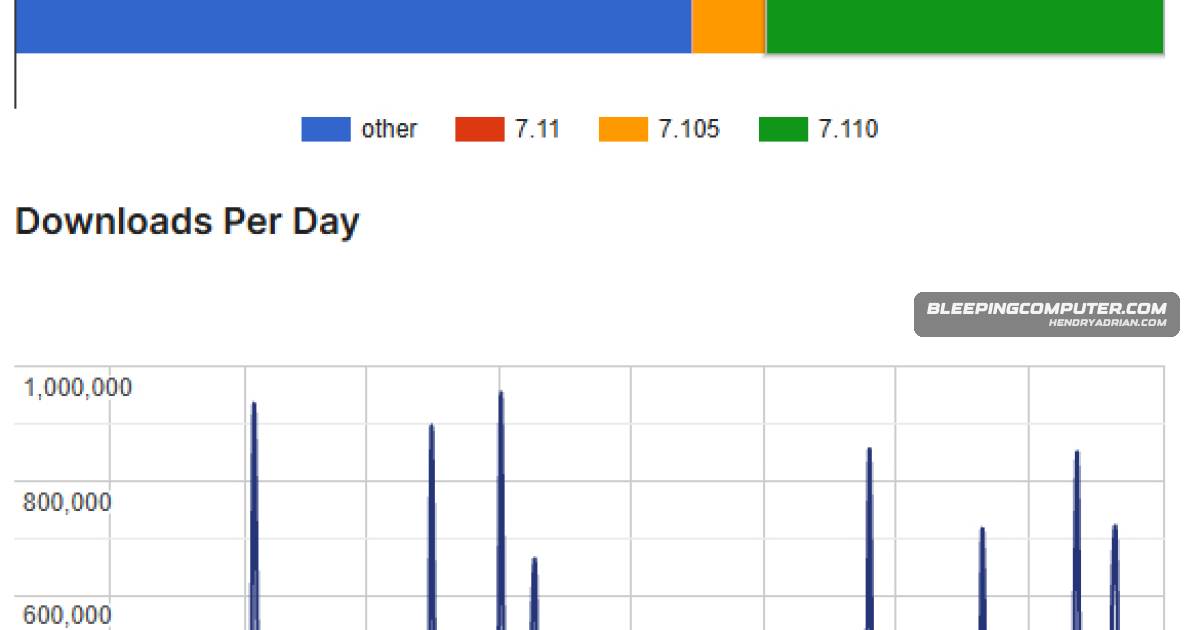
- The plugin has more than five million active installations; the article estimates that about 3.25 million sites were still running vulnerable versions.
Article Details
- Vulnerability Types
- Second-order SQL injection
- Severity
- High
- Affected Versions
- All-in-One WP Migration and Backup versions through 7.109
- Exploitation Status
- unknown
- Exploit Availability
- unknown
- Patch Status
- available
MITRE ATT&CK
CVE
People
Vendors
ServMaskThe issue, tracked as CVE-2026-19949, affects versions through 7.109 and was fixed by ServMask in version 7.110 after disclosure by Wordfence and researcher Jack Taylor.WordfenceThe issue, tracked as CVE-2026-19949, affects versions through 7.109 and was fixed by ServMask in version 7.110 after disclosure by Wordfence and researcher Jack Taylor.
Products
All-in-One WP Migration and BackupA high-severity SQL injection flaw in the All-in-One WP Migration and Backup plugin can let unauthenticated attackers achieve remote code execution and take over WordPress sites.WordPressA high-severity SQL injection flaw in the All-in-One WP Migration and Backup plugin can let unauthenticated attackers achieve remote code execution and take over WordPress sites.