
Operation Endgame Disrupts Malware Networks, Identifies Credentials of 6.4 Million Victims
Summary
Authorities in nine countries seized servers and domains linked to CastleRAT, Gootloader and StealC, and identified credentials belonging to 6.4 million victims. Victim data will be made available through notification platforms.
Key points
- Authorities from nine countries, Europol and Eurojust seized 235 servers and 257 domains in Operation Endgame.
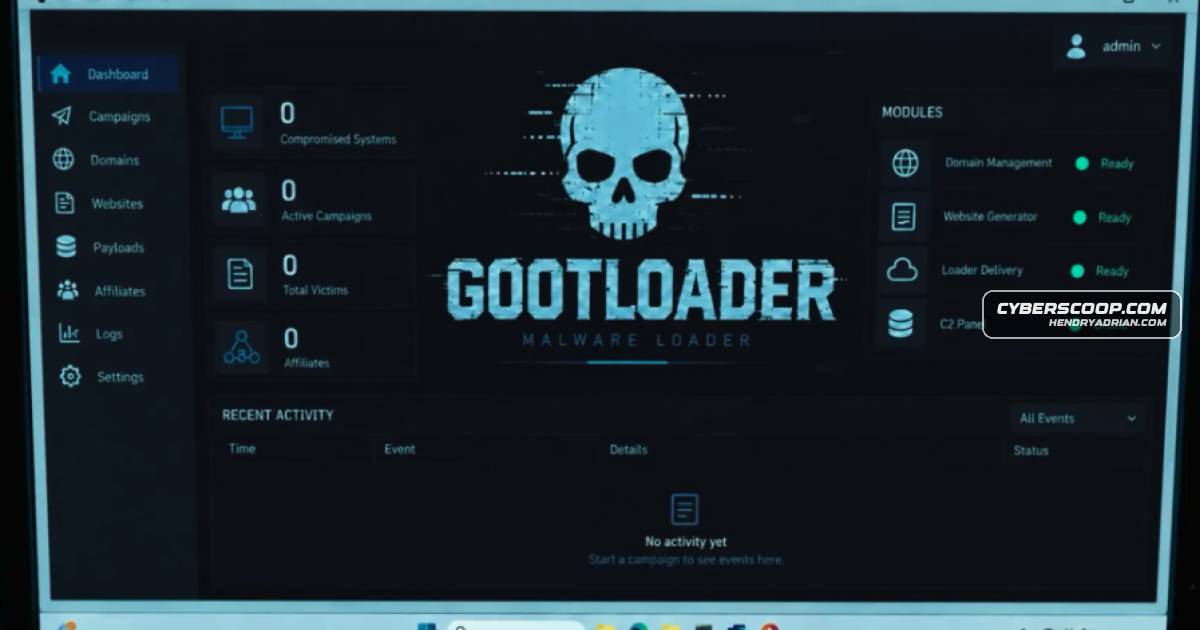
- The operation targeted infrastructure linked to CastleRAT, Gootloader and StealC.
- Police seized 120 servers and 39 domains linked to CastleRAT, and 14 servers and 218 domains tied to Gootloader; 681 infected websites were cleaned up.
- The U.S. Department of Justice said Gootloader infected at least 25,000 computers and was used in ransomware attacks against at least 44 U.S. victims, causing about $28.8 million in losses since 2018.
- Investigators dismantled 102 servers tied to StealC, a stealer with dropper functions used to collect credentials and other data.
- Authorities said the seized infrastructure held more than 6 million sets of victim credentials; victims will be able to check through platforms including HaveIBeenPwned and Shadowserver.
- Authorities advised WordPress users to update credentials, enable multi-factor authentication and patch vulnerabilities.
Article Details
- Event Type
- International law enforcement operation disrupting infrastructure associated with the CastleRAT, Gootloader, and StealC malware kits.
- Impact
- Authorities seized 235 servers and 257 domains, dismantled infrastructure associated with the three kits, and cleaned 681 infected websites. The seized infrastructure held more than 6 million sets of victim credentials; Europol said credentials belonging to 6.4 million victims were identified. The U.S. Department of Justice said Gootloader had infected at least 25,000 computers and was used in ransomware attacks against at least 44 U.S.-based victims, with approximately $28.8 million in losses since 2018.
People
Malware
CastleRATThe largest seizures involved CastleRAT, a remote access trojan known since 2025 that gives attackers remote control of infected computers.GootloaderGootloader, a dropper spread through fake legal documents hosted on hacked WordPress sites, served as an initial access vector for ransomware attacks.StealCStealC, described as a stealer with dropper functions, was designed to extract passwords, data and credentials from compromised machines for resale and fraudulent use.
Products
Countries
BulgariaAgencies from Bulgaria, Canada, Denmark, Germany, Moldova, the Netherlands, Poland, the United Kingdom and the United States took part, alongside Europol and Eurojust, as part of Operation Endgame, which Europol callsCanadaAgencies from Bulgaria, Canada, Denmark, Germany, Moldova, the Netherlands, Poland, the United Kingdom and the United States took part, alongside Europol and Eurojust, as part of Operation Endgame, which Europol callsDenmarkAgencies from Bulgaria, Canada, Denmark, Germany, Moldova, the Netherlands, Poland, the United Kingdom and the United States took part, alongside Europol and Eurojust, as part of Operation Endgame, which Europol callsGermanyAgencies from Bulgaria, Canada, Denmark, Germany, Moldova, the Netherlands, Poland, the United Kingdom and the United States took part, alongside Europol and Eurojust, as part of Operation Endgame, which Europol callsMoldovaAgencies from Bulgaria, Canada, Denmark, Germany, Moldova, the Netherlands, Poland, the United Kingdom and the United States took part, alongside Europol and Eurojust, as part of Operation Endgame, which Europol callsNetherlandsAgencies from Bulgaria, Canada, Denmark, Germany, Moldova, the Netherlands, Poland, the United Kingdom and the United States took part, alongside Europol and Eurojust, as part of Operation Endgame, which Europol callsPolandAgencies from Bulgaria, Canada, Denmark, Germany, Moldova, the Netherlands, Poland, the United Kingdom and the United States took part, alongside Europol and Eurojust, as part of Operation Endgame, which Europol callsUnited KingdomAgencies from Bulgaria, Canada, Denmark, Germany, Moldova, the Netherlands, Poland, the United Kingdom and the United States took part, alongside Europol and Eurojust, as part of Operation Endgame, which Europol callsUnited Statesfrom Bulgaria, Canada, Denmark, Germany, Moldova, the Netherlands, Poland, the United Kingdom and the United States took part, alongside Europol and Eurojust, as part of Operation Endgame, which Europol calls the