
How Organizations Can Close Gaps in Business Email Compromise Defense
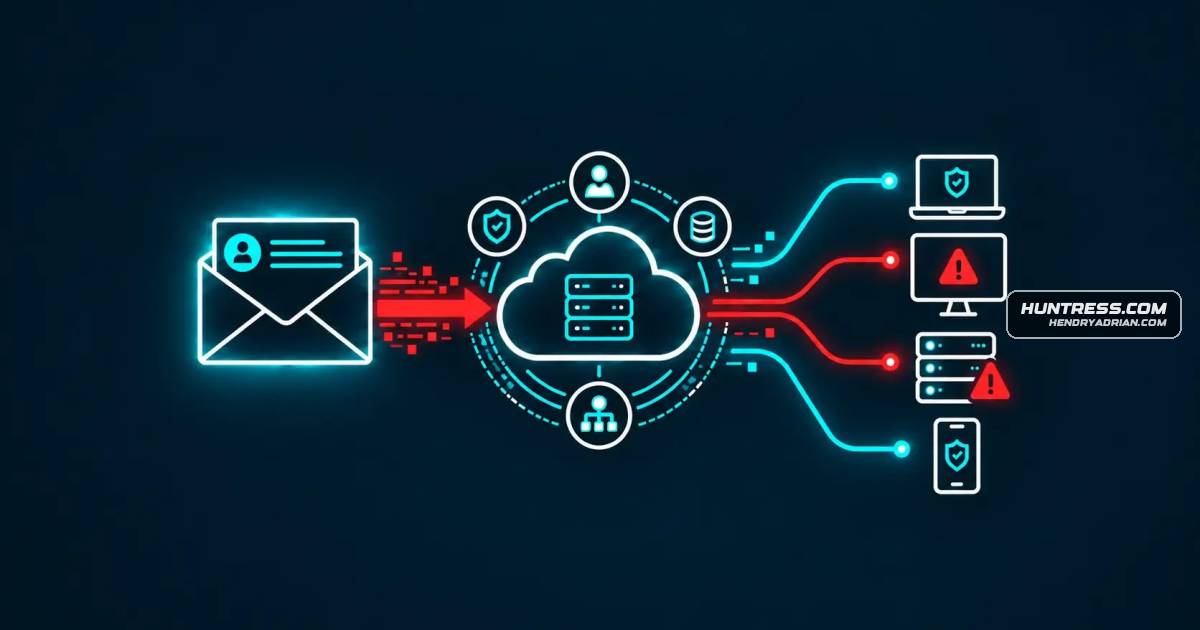
Summary
The article explains how BEC can exploit trusted email workflows and compromised accounts, then recommends combining employee training, email and identity monitoring, rapid containment, tested backups, and recovery planning.
Key points
- BEC uses impersonation or compromised accounts to prompt payments, payment-detail changes, or disclosure of sensitive information.
- Attackers may hijack email threads, create mailbox rules, or use OAuth permissions to retain access.
- Compromised accounts can lead to altered or deleted records, hidden audit trails, and recovery challenges beyond the initial fraud.
- Recommended controls include email protection, identity monitoring for unusual sign-ins and mailbox changes, and rapid account or session containment.
- The article recommends continuous backups, version history, and point-in-time recovery for restoring altered or deleted data.
- Organizations should test recovery plans and define covered data, restoration timelines, authorization, and procedures if an account is compromised.
Article Details
- Defense Focus
- Prevent business email compromise (BEC), detect misuse of compromised identities and mailboxes, contain incidents, and recover clean data.
- Detection Methods
- Identify suspicious email, lookalike domains, and impersonation attempts.
- Monitor for unusual sign-ins, mailbox changes, new application permissions, and other signs of account misuse.
- Identify affected accounts and records, and preserve evidence before mailbox rules or files are changed.
- Test recovery procedures, including coverage, restoration time, authorization, and operation when the original account is compromised.
- Data Sources
- Email messages and sender/domain information
- Identity sign-in activity
- Mailbox rules and changes
- Application permissions
- File and business-record versions
- Defensive Actions
- Train employees to verify requests involving money, access, or business records.
- Use email protection and identity monitoring to surface suspicious activity.
- Contain compromised accounts or sessions before the attacker can reach additional systems.
- Maintain continuous backups, version history, and point-in-time recovery for endpoint and application data.
- Test recovery plans and ensure recovery does not depend entirely on a potentially compromised identity.
- Ensure backups cover relevant business data, including information stored on personal devices where applicable.
MITRE ATT&CK
T1098.003 · Additional Cloud RolesThe article describes attackers using OAuth permissions to maintain access through a connected application.T1530 · Data from Cloud StorageThe article describes attackers accessing sensitive work data stored in cloud storage.T1564.008 · Email Hiding RulesThe article says attackers may create mailbox rules to hide replies.T1565.001 · Stored Data ManipulationThe article says attackers may alter customer or supplier records.T1583.001 · DomainsThe article describes attackers registering lookalike domains to support BEC.
Vendors
CrashPlanBy Andrea Kopacek, Product Marketing Manager for CrashPlanHuntressOver the past decade, BEC losses have amounted to over $50 billion. In a recent survey, Huntress reported that 36% to 51% of businesses surveyed experienced a BEC attack within the prior year.MicrosoftThat creates a recovery problem, compounding any damages from the fraud itself. Microsoft Entra ID has native backup and recovery, but recovery can become difficult when a harmful change goes unnoticed for more than