What Malware-as-a-Service Is and How It Enables Cybercrime
Summary
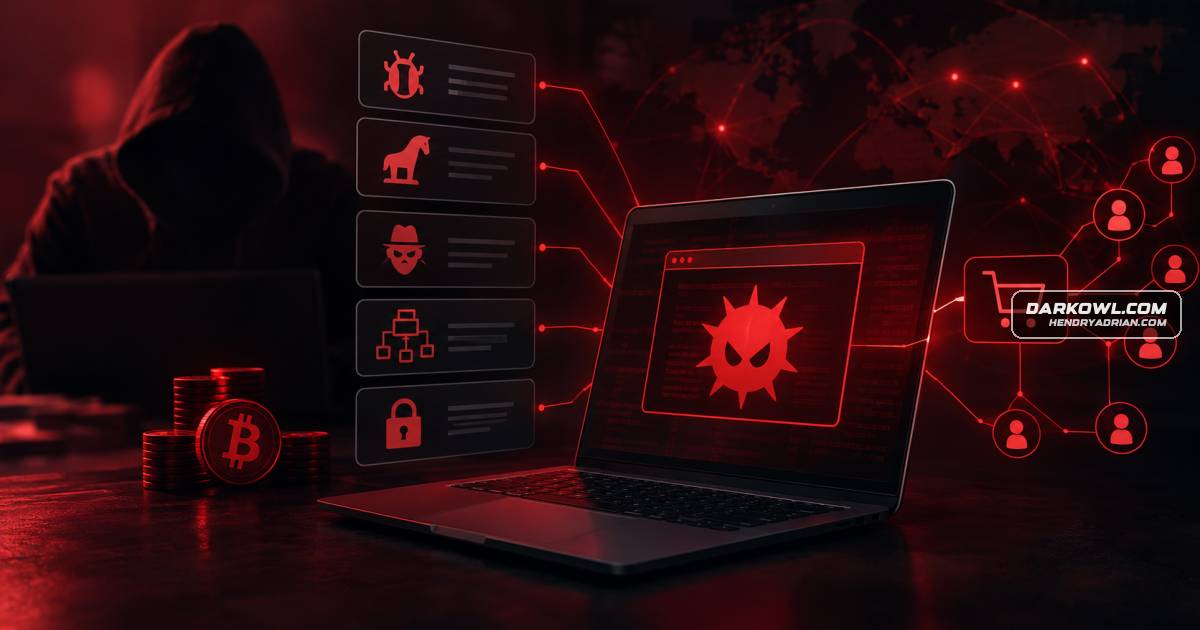
An explainer describes how Malware as a Service lets criminals rent malware and supporting infrastructure, outlines common offerings and the MaaS ecosystem, and recommends layered defenses such as EDR, MFA, patching, backups, and darknet monitoring.
Key points
- MaaS providers sell or lease malware, infrastructure, updates, and support, lowering the technical and financial barriers to cybercrime.
- Common offerings include information stealers, remote access trojans, botnet services, and ransomware.
- Criminals may divide roles among malware developers, distributors, initial access brokers, and buyers of stolen data or access.
- The article cites Nimbus Manticore’s use of fake recruitment coding challenges to deliver NodeRabbit, a backdoor targeting Linux and macOS systems.
- Darknet listings and exposed credentials can offer intelligence, but analysts should corroborate claims and distinguish marketing from evidence.
- Recommended defenses include EDR, phishing-resistant MFA, least privilege, timely patching, employee awareness, tested backups, incident response, and monitoring for exposed information.
Article Details
- Topic
- Malware as a Service (MaaS), its role in the cybercrime economy, and organizational defenses
Threat Actors
Malware
NodeRabbitNimbus Manticore, the Iranian hacking group, has been connected to two (NodeRabbit and PollCat) previously undocumented malwares targeting Linux and Apple macOS systems using cross-platform remote access trojans (RATs)PollCatNimbus Manticore, the Iranian hacking group, has been connected to two (NodeRabbit and PollCat) previously undocumented malwares targeting Linux and Apple macOS systems using cross-platform remote access trojans (RATs)