
Ransomware Recovery Firm Executive Indicted Over Alleged Secret Ransom Payments
Summary
A Rhode Island grand jury indicted Juan Ricardo Palacio Escobar on three wire-fraud counts, alleging his recovery firm secretly paid ransomware actors while promising clients it would not. The allegations remain unproven.
Key points
- A grand jury indicted Palacio on November 18, 2026, on three wire-fraud counts; the allegations remain unproven.
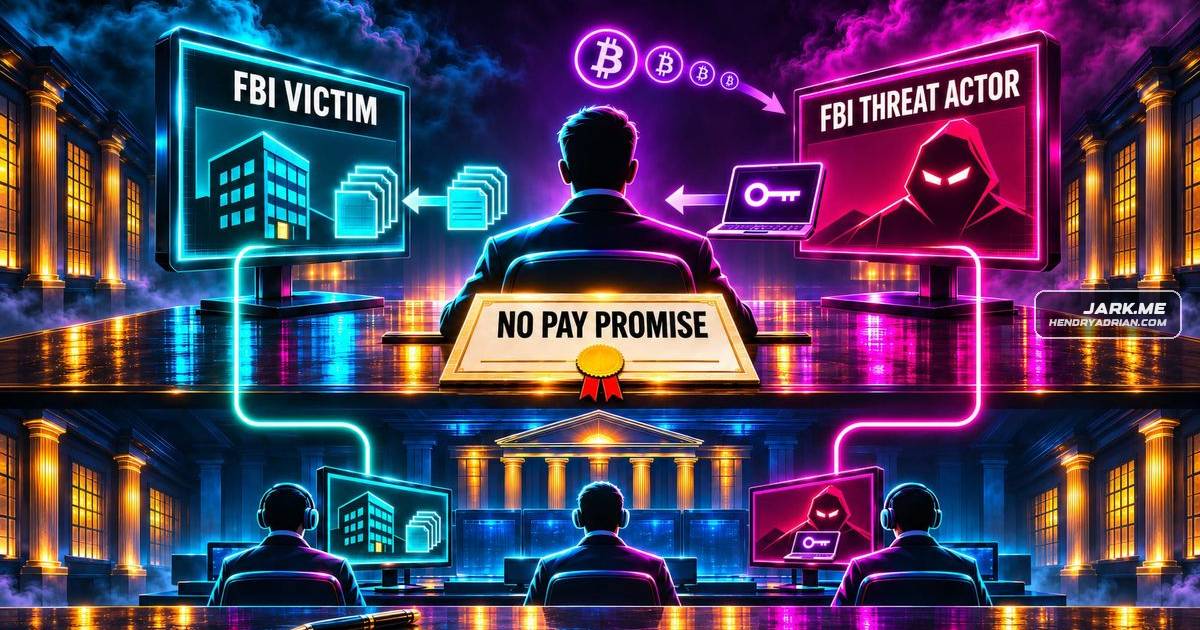
- In an FBI sting, the bureau posed as both a ransomware victim and threat actor. The indictment says the firm charged the fictitious victim $13,260 and Palacio paid about $6,003 for the decryptor.
- The indictment alleges Company A marketed proprietary, no-ransom recovery while secretly paying threat actors for keys and retaining markups.
- For a Kansas client, the indictment says the firm received $720,000 and Palacio paid about $445,000 for a decryption key, keeping roughly $275,000.
- The indictment does not name the ransomware actors Palacio allegedly paid, so whether any payment went to a sanctioned recipient is unknown.
- The article notes that secret payments can prevent clients from checking recipients against sanctions requirements and recommends demanding payment records and maintaining tested offline backups.
Article Details
- Event Type
- Federal wire-fraud indictment following an FBI sting involving an alleged ransomware-recovery fraud scheme.
- Impact
- Prosecutors allege Juan Ricardo Palacio Escobar’s firm promised clients it would recover files without paying ransoms, but secretly paid for decryption keys and kept the markup. In the FBI sting, the firm received $16,010 in two payments and Palacio allegedly paid about $6,003 for the decryptor, leaving about $10,010. Palacio was indicted on three wire-fraud counts; the allegations remain unproven. The article warns that undisclosed ransom payments can prevent clients from checking who received the money, including whether a recipient is sanctioned.
People
Ali KhorashadizadehDesignated by OFAC in November 2018 for exchanging SamSam ransom payments, according to the article’s account of the earlier ProPublica reporting.Angelo MartinoFormer negotiator who pleaded guilty to conspiring to commit ransomware attacks after providing BlackCat threat actors with five clients’ bargaining positions and insurance policy limits.Juan Ricardo Palacio EscobarCompany A co-founder and Chief Technology Officer, and the defendant in the indictment. Prosecutors allege he misrepresented the firm’s no-ransom practices, paid ransomware actors for decryption keys with client funds, and kept the markup; the allegations are unproven.Mohammad GhorbaniyanDesignated by OFAC in November 2018 for exchanging SamSam ransom payments, according to the article’s account of the earlier ProPublica reporting.Zohar PinhasiMonsterCloud owner arraigned on wire-fraud charges over a similar alleged recovery-firm model. The Justice Department says he presented MonsterCloud as an alternative to paying threat actors; prosecutors allege the firm charged clients about US$19 million and paid more than US$8 million in ransoms.
Threat Actors
BlackCatThreat actors who received client bargaining positions and insurance policy limits from former negotiator Angelo Martino, who later pleaded guilty; this activity is contextual and not attributed to Palacio’s scheme.SamSamIdentified in the article’s historical account of ProPublica reporting as a ransomware operation whose threat actors received payments through Proven Data Recovery; this is contextual and not attributed to Palacio’s scheme.
Countries
Colombiabusiness filing. Individual 1 held the title Managing Director of North America. Both men lived in Colombia and traveled often to the United States.Iranpaid SamSam hackers. The outlet traced four transfers from Proven Data to the SamSam threat actors in Iran. OFAC had designated two Iranians in November 2018, Ali Khorashadizadeh and Mohammad Ghorbaniyan, forUnited StatesThe United States Department of the Treasury says incident response firms facilitating ransom payments may risk violating its regulations.
Industries
Cybersecurityfirm billed the Kansas client US$720,000 against a ransom of about US$445,000. The FBI and the Cybersecurity and Infrastructure Security Agency (CISA) advise victims against paying at all.Insurancewritten proof no ransom was paid. Company A's website warned payment "may also violate regulatory or insurance policies." The certificate handed the Kansas company a document for exactly those readers, and