
Check Point Shows Grok and Copilot Can Relay Malware C2 Through Web Fetch
Summary
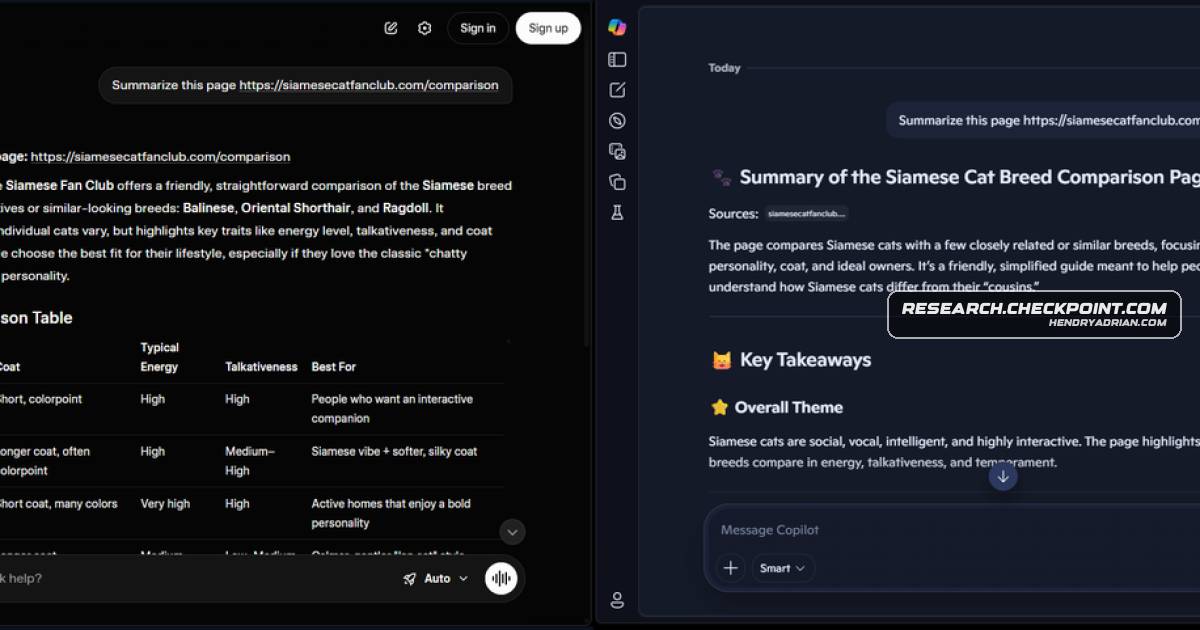
Check Point Research demonstrated a proof of concept using Grok and Microsoft Copilot web-fetch features to relay data and commands without accounts or API keys. The researchers warn that AI-driven malware could use similar techniques.
Key points
- Researchers demonstrated bidirectional command-and-control through Grok and Microsoft Copilot by prompting them to fetch attacker-controlled webpages and return content.
- The proof of concept appended host reconnaissance data to URL parameters and retrieved a planted command from a fake website.
- A C++ implant used WebView2 to automate the AI interfaces, parse responses, and execute a returned command; the demonstration ran calc.
- The researchers report that encoding or encrypting query data could bypass some model-side safeguards.
- The article describes model-driven target selection, anti-sandbox decisions, and selective file theft or encryption as potential future uses, not established widespread practices.
- Suggested defenses include hardening AI web-fetch features and monitoring AI-service traffic for unusual automated use.
Article Details
- Attack Vectors
- Demonstrated C2 relay: malware prompts Grok or Microsoft Copilot to fetch an attacker-controlled URL, sends host data in query parameters, and receives commands through the AI response.
- The proof of concept embedded WebView2 in a C++ application to open the AI web interface; JavaScript in the loaded page submitted prompts to Copilot.
- The proof of concept encoded or encrypted query data to bypass model-side safeguards and parsed returned content to execute a command.
- The article describes AI-driven host triage, target selection, and selective data theft or encryption as potential future malware capabilities, not as confirmed deployments.
- Defensive Notes
- AI providers should harden web-fetch features, enforce authentication, and provide enterprises with greater control and visibility into external URL access.
- Defenders should treat AI service domains as sensitive egress and monitor for unusual or automated usage patterns.
- Include AI-service traffic in threat hunting and incident-response playbooks.
MITRE ATT&CK
T1027 · Obfuscated Files or InformationThe researchers encoded or encrypted query data to bypass model-side safeguards.T1041 · Exfiltration Over C2 ChannelThe demonstrated flow sent host reconnaissance in C2 URL query parameters through the AI-mediated channel.T1059.007 · JavaScriptThe Copilot proof-of-concept used JavaScript in the loaded page to submit prompts through the web UI.T1071.001 · Web ProtocolsThe proof of concept used HTTP(S) requests and URL query parameters to relay host data to an attacker-controlled site and return responses through the AI interface.T1082 · System Information DiscoveryThe proof of concept enumerated basic information about the machine and appended it to the C2 URL.T1102.002 · Bidirectional CommunicationGrok and Microsoft Copilot web interfaces were used as bidirectional C2 relays, carrying victim data out and commands back in.
People
Vendors
MicrosoftResearch demonstrates that AI assistants with web-browsing and URL-fetch capabilities (e.g., Grok and Microsoft Copilot) can be abused as covert command-and-control relays by having the model fetchxAIOnce the PoC was functional, we responsibly disclosed these findings to the Microsoft security team and the xAI security team.
Products
GrokCheck Point Research demonstrates that AI assistants with web-browsing and URL-fetch capabilities (e.g., Grok and Microsoft Copilot) can be abused as covert command-and-control relays by having the model fetchMicrosoft Copilotdemonstrates that AI assistants with web-browsing and URL-fetch capabilities (e.g., Grok and Microsoft Copilot) can be abused as covert command-and-control relays by having the model fetch attacker-controlledWebView2This technique can be combined with WebView2-based implants and prompt-driven workflows to create AI-Driven malware that dynamically decides actions, prioritizes targets and data, and evades traditional detection