
Ofcom outlines four age-check methods for UK social media platforms
Summary
Ofcom outlined four age-check methods for the UK’s planned social media ban. The article weighs privacy and security risks of ID, bank, facial-age and digital-ID checks, and warns that workarounds may limit effectiveness.
Key points
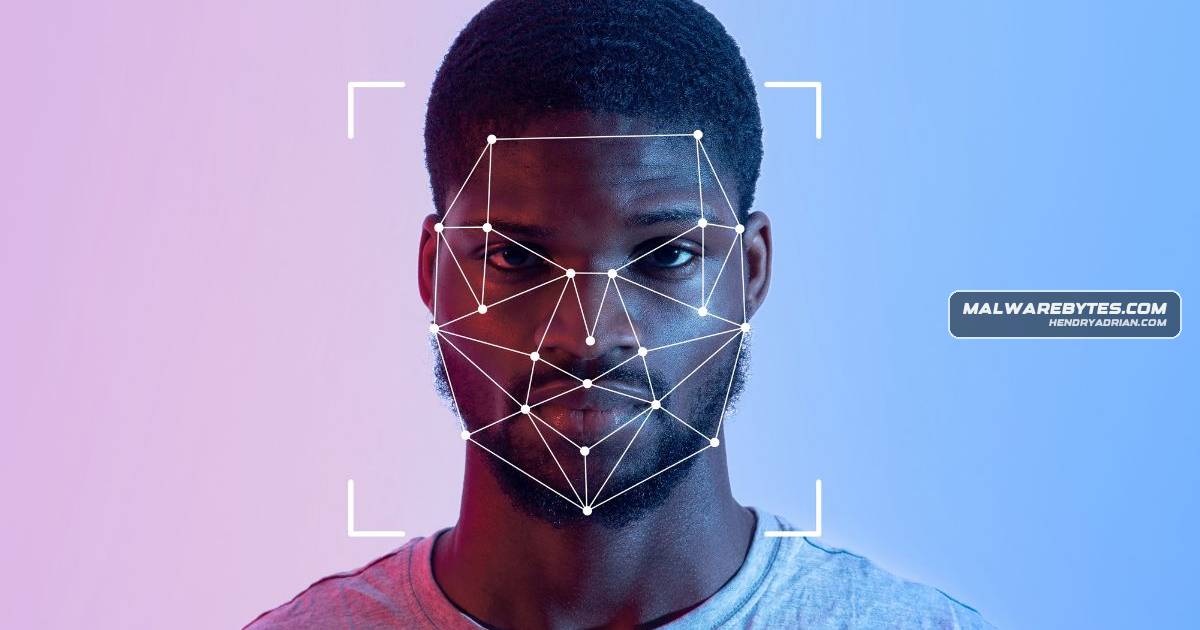
- Ofcom identified photo ID matching, bank-based checks, facial age estimation and digital ID services as highly effective ways to verify users are at least 16.
- The article highlights privacy risks from handling identity documents and facial images, including a cited breach at a Discord support provider that exposed government ID images belonging to about 70,000 users.
- Bank-based checks may reveal less information if they return only an age-threshold result, but data access, retention and linkability remain concerns.
- Ofcom acknowledges facial age estimation can be wrong by a few years around age 16, potentially requiring additional verification.
- VPNs, borrowed credentials and migration to less regulated services may limit the effectiveness of age restrictions, though a VPN alone will not bypass every verification method.
- The author favors double-blind verification, where the verifier does not learn which service is accessed and the service does not learn the user's identity.
Article Details
- Event Type
- Ofcom outlined four age-verification methods for platforms preparing for the UK’s planned social media ban.
- Impact
- The proposed checks could limit some underage access, but may expose sensitive identity or facial data, create privacy risks, and introduce barriers for users. The article cites a reported breach at a third-party support provider for Discord that exposed government ID images belonging to around 70,000 users. Ofcom acknowledges that some motivated children may still get through.