
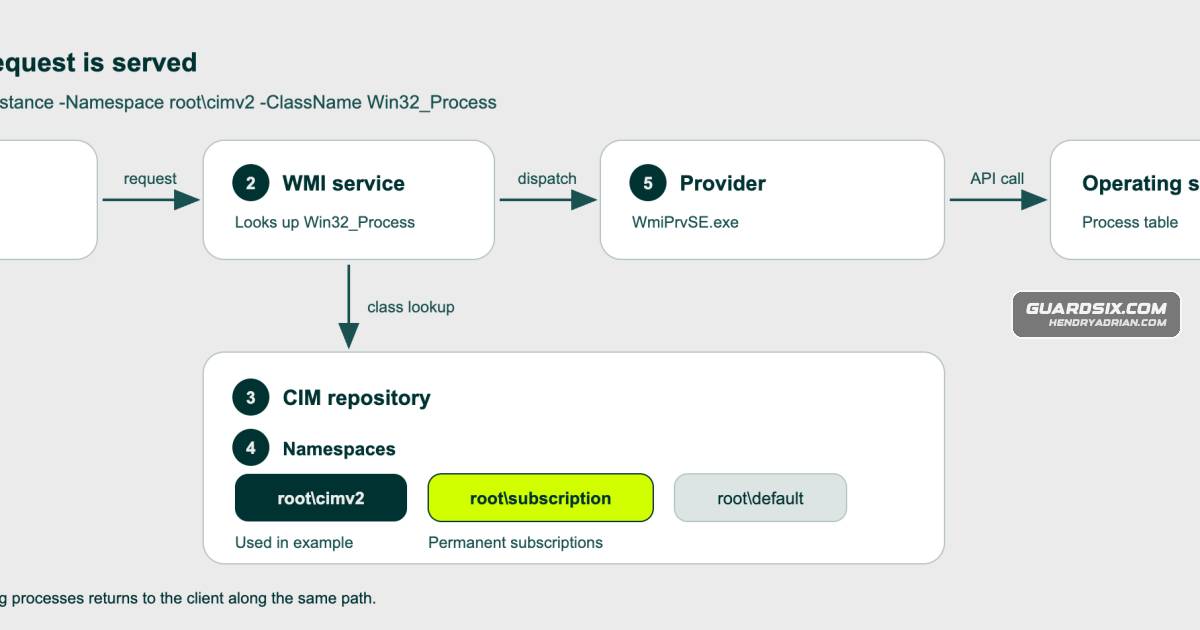
Detecting Persistence Through WMI Event Subscriptions
Explains how attackers abuse permanent Windows WMI event subscriptions for reboot-persistent execution and provides SIEM/Sysmon detections, relevant telemetry, and hardening advice.
Explains how attackers abuse permanent Windows WMI event subscriptions for reboot-persistent execution and provides SIEM/Sysmon detections, relevant telemetry, and hardening advice.
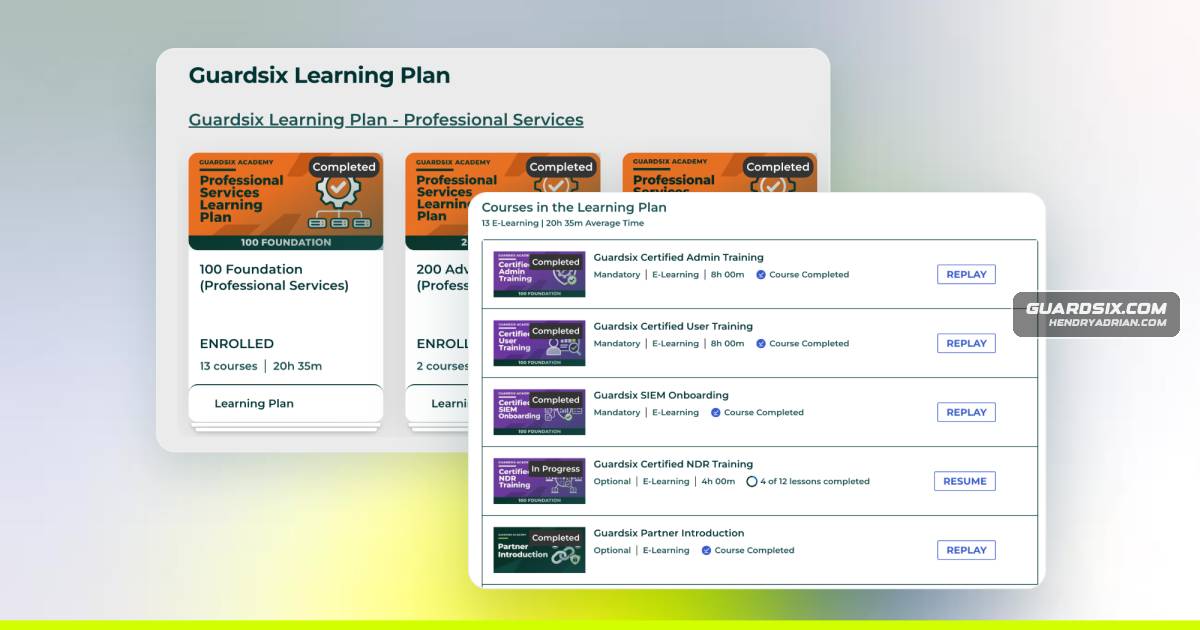
GuardSix redesigned its free Academy with self-managed, role-based training and certification paths covering SIEM administration, deployments, integrations, automation, response workflows, and advanced normalization.

Guardsix describes a Day-One Detection Pack of 63 SIEM rules selected from its 622-rule library, covering common Windows, Active Directory, Microsoft 365 and Azure telemetry, with public YAML logic and a versioned deployment workflow.
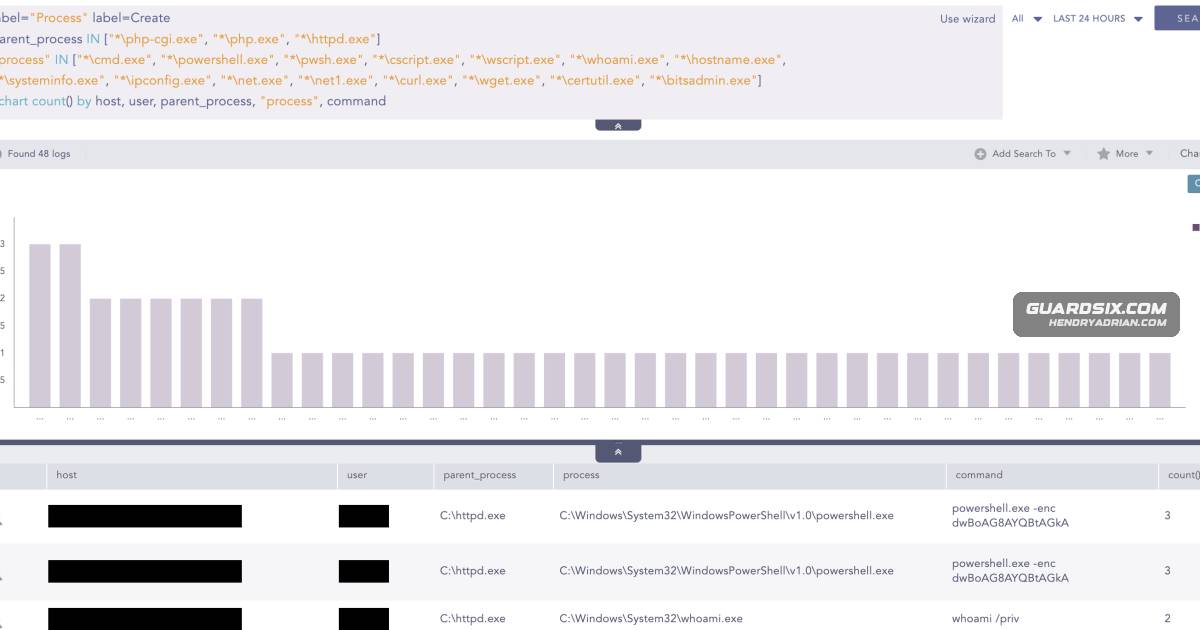
PHP2Shell covers two critical PHP flaws that can enable code execution or memory disclosure. Patches are available; CISA lists both as exploited, while honeypot activity supports exploitation of CVE-2026-109618. The article outlines remediation and log hunts.
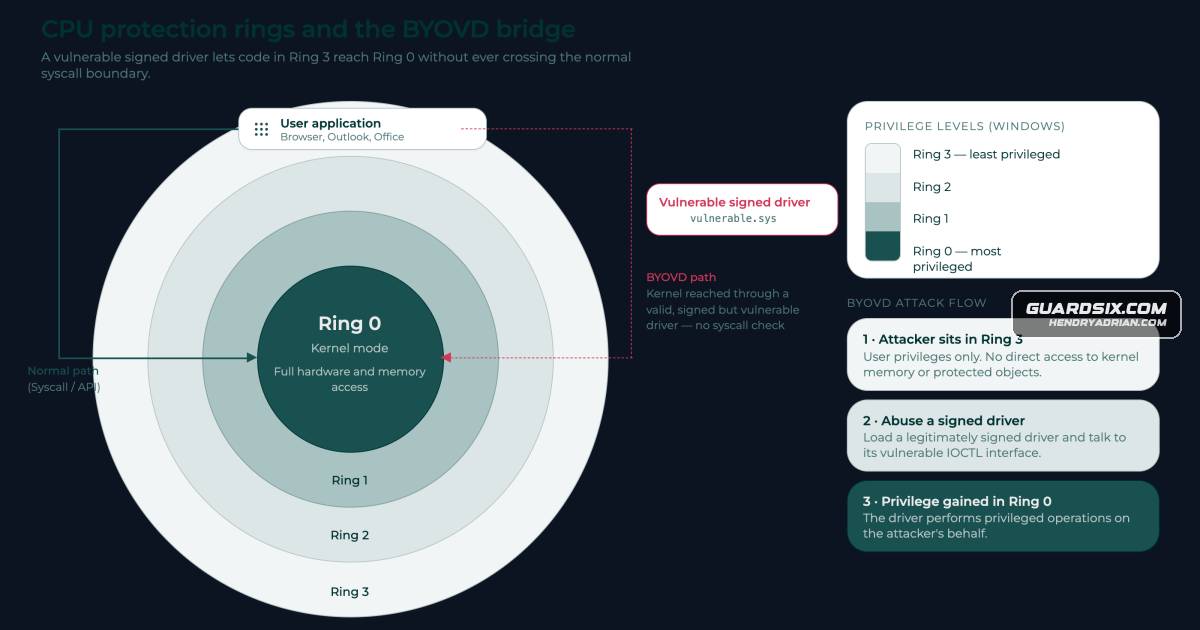
The article examines how ransomware operators abuse signed, vulnerable Windows drivers to gain kernel-level access and disable endpoint defenses, highlighting active groups, driver-blocklist evasions, and gaps in signature enforcement.

A White House memorandum creates a government-approved program for vetted US companies to conduct cyber surveillance and disruption operations against criminal groups abroad. The article examines potential risks for non-US organizations.
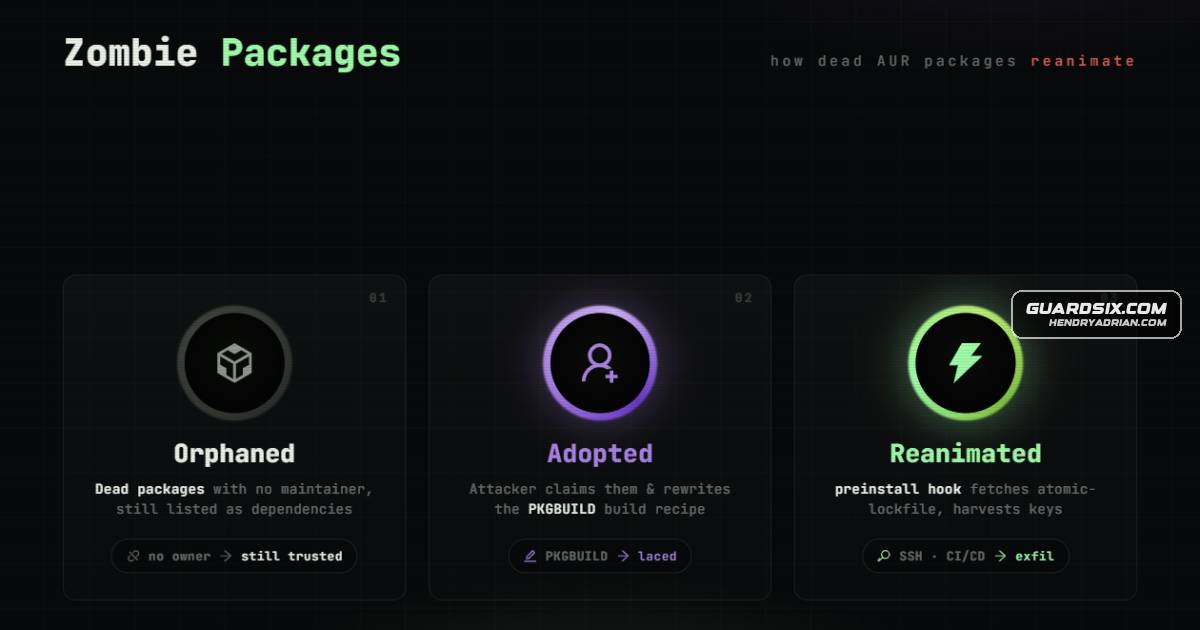
Attackers altered more than 1,900 orphaned Arch User Repository packages to fetch malicious npm or Bun dependencies. The payload stole developer credentials, established persistence and could hide activity with an eBPF rootkit.

A vendor-authored analysis argues that self-hosted open-source SIEMs avoid licence fees but require ongoing engineering and audit work. Its three-year model estimates €476,775 in staffing costs for a public-sector team using 1.5 engineers.

The proposed EU Cloud and AI Development Act would grade cloud and AI services by sovereignty level. The article outlines potential implications for public-sector suppliers and security data, while noting the proposal still needs approval.
RoguePlanet is a Windows local privilege escalation PoC that exploits a TOCTOU flaw in Defender’s remediation process to place and run an attacker-controlled executable as SYSTEM. It reportedly works on fully updated Windows 10 and 11 systems.
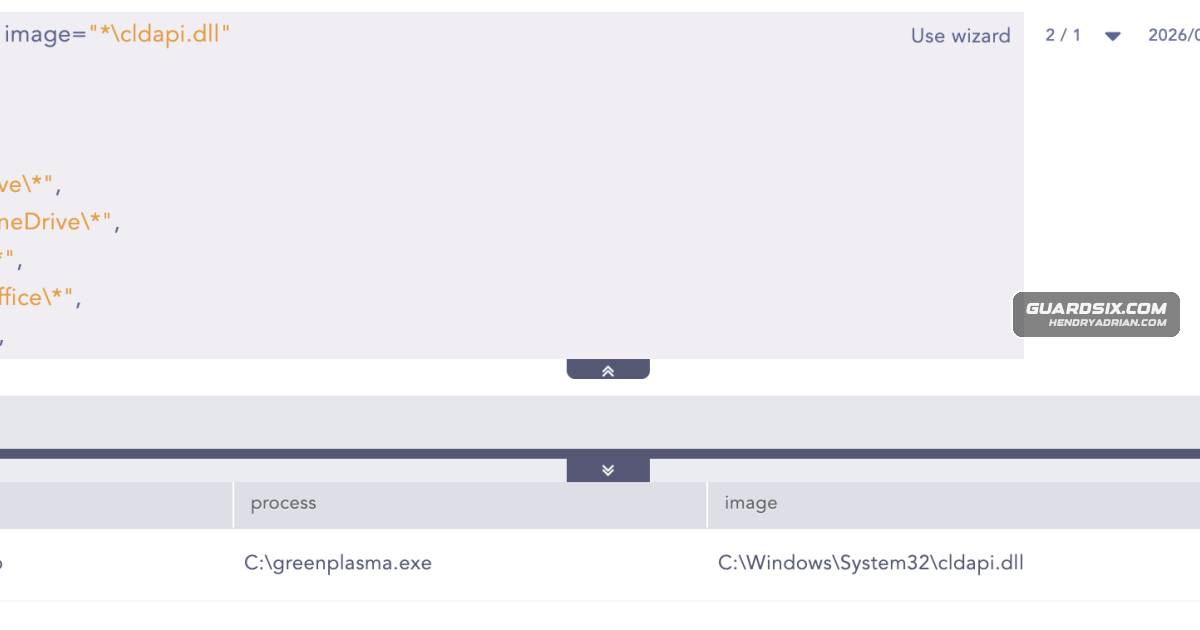
Chaotic Eclipse disclosed three Windows zero-days: YellowKey bypasses BitLocker via WinRE, while GreenPlasma and MiniPlasma can enable SYSTEM access. Microsoft has a YellowKey mitigation, but no vendor patch is available for GreenPlasma or MiniPlasma.
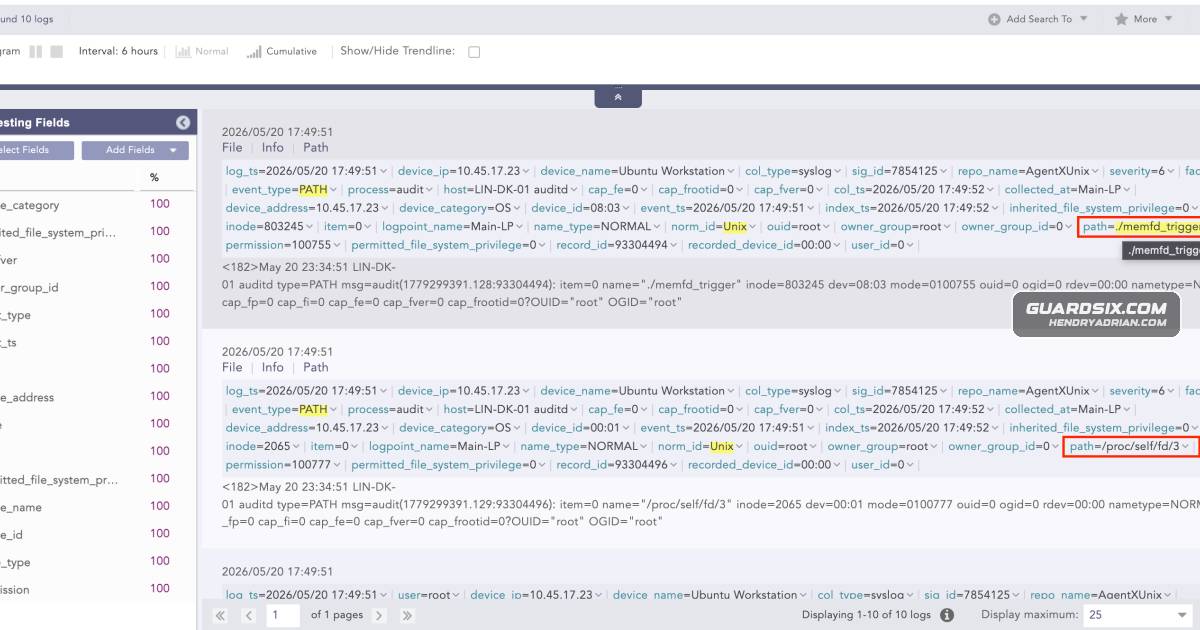
QLNX is a Linux RAT targeting developer and DevOps systems. The article details its fileless execution, rootkit, PAM backdoor, credential theft, and P2P communications, with detection queries and remediation guidance.

An analysis of Qilin’s growth as a ransomware-as-a-service operation details its Windows, Linux, and ESXi capabilities, intrusion techniques, extortion methods, targeted sectors, and recommended defenses.
An analysis of recent supply-chain campaigns finds a recurring pattern: attackers compromise trusted people or components, abuse release and automation workflows, steal secrets, and propagate through connected software ecosystems.
Copy Fail (CVE-2026-31431) is described as a Linux local privilege-escalation flaw abusing AF_ALG and splice() to alter a SUID binary in page cache. The article gives detection guidance and mitigations; it reports no confirmed real-world attacks.
The article details BlueHammer’s Defender TOCTOU exploit, RedSun’s SYSTEM-level binary overwrite, and UnDefend’s update blocking, with detection queries and defenses. Huntress says actors are trying to operationalize the tools; Microsoft patched BlueHammer’s linked CVE-