How Darknet Exposure Shapes Cyber Risk for Individuals and Organizations
Summary
The article explains how darknet exposure can raise cyber risk for individuals and organizations, covering ransomware extortion, phishing, credential stuffing and third-party exposure, along with risk factors and basic mitigations.
Key points
- The article frames cyber risk around threats, vulnerabilities and consequences, with likelihood, impact, intent and targeting affecting assessments.
- DarkOwl says it observed 144 companies and nonprofits mentioned on REvil’s leak site from April through December 2020; the article notes this does not capture the full volume of compromised information.
- Corporate risks discussed include ransomware extortion, data loss or disruption, phishing targeting executives, and exposure through vendors and other third parties.
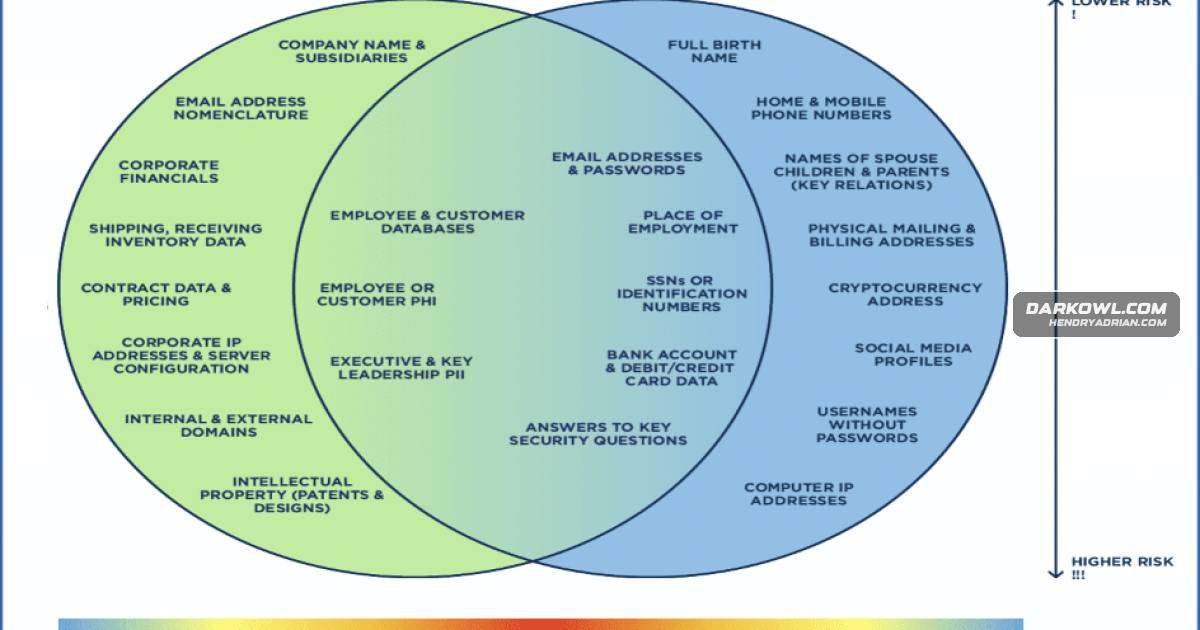
- The article says darknet exposure can include personal identification and financial data, which criminals may use for phishing, social engineering, identity theft or fraud.
- Credential stuffing tests previously exposed email and password combinations against other services; the article cites a 3.2-billion-entry breach compilation shared on a darknet forum.
- Suggested individual mitigations include using unique passwords and password managers; the article also describes contacting a bank and replacing a compromised account when sensitive identity information is exposed.
- The article presents monitoring darknet mentions of organizations, executives and network information as a potential risk indicator, not proof of an impending attack.
Article Details
- Topic
- How darknet exposure and threat intelligence inform cybersecurity risk assessments for individuals and organizations.
Threat Actors
Vendors
Industries
Colleges & UniversitiesNot surprisingly, Colleges & Universities had the largest scores and Insurance and Hospital & Health industries followed closely behind.Grocery Storesa greater volume of compromise and the industries covering Hospitals & Healthcare and Grocery Stores had the highest percentage of companies with no exposure.Hospitals & Healthcarea greater volume of compromise and the industries covering Hospitals & Healthcare and Grocery Stores had the highest percentage of companies with no exposure.InsuranceNot surprisingly, Colleges & Universities had the largest scores and Insurance and Hospital & Health industries followed closely behind.Software developmentThe Software Development sector had the smallest percentage of companies with no exposure, i.e.