Huntress Shares Practical Cyber Hygiene Tips for Organizations
Summary
Huntress outlines ongoing security practices for organizations, including MFA, phishing awareness, patching, strong passwords, limiting exposed RDP, monitoring, access controls, logging, backups, and least privilege.
Key points
- Enable MFA on accounts and external-facing services wherever practical, including email, payment portals, and VPNs.
- Train users to question unexpected messages and avoid suspicious links, attachments, and login requests.
- Automate software and firmware updates where possible, prioritizing exposed systems and known vulnerabilities.
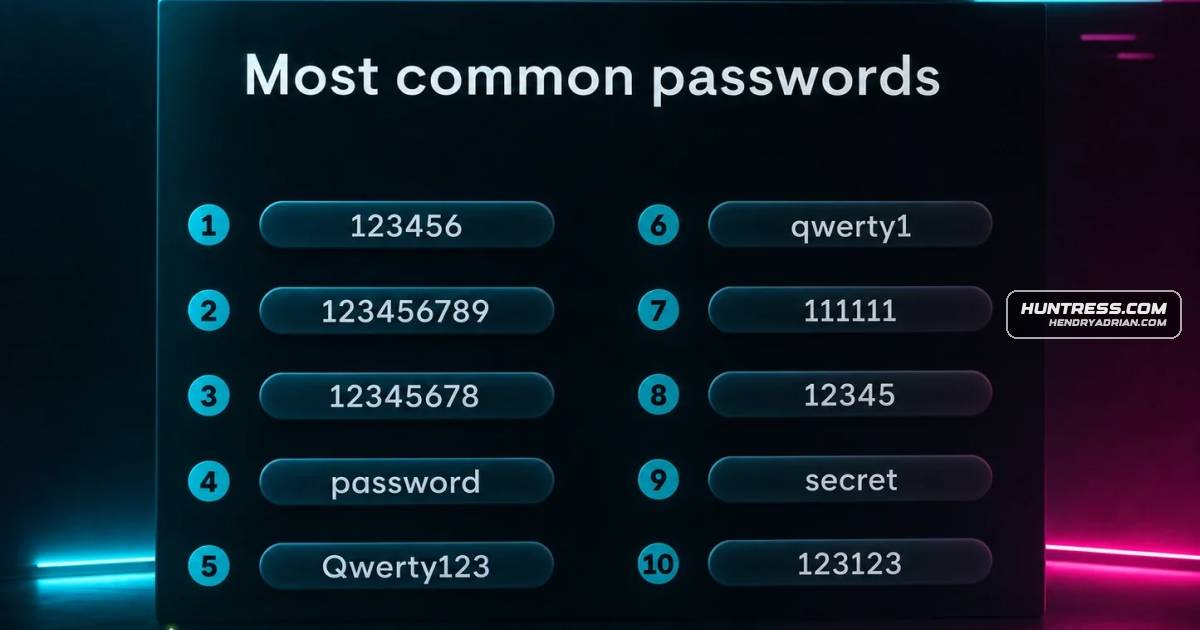
- Use unique, strong passwords stored in a secure password manager; avoid plaintext storage and password reuse.
- Avoid exposing RDP unnecessarily; where internet access is required, place it behind a VPN with MFA.
- Watch for signs of compromise such as unexpected privilege changes, unusual domain enumeration, Defender modifications, or cleared logs.
- Maintain separate backups and test restores; audit permissions regularly and apply least privilege.
Article Details
- Topic
- General cyber hygiene practices for reducing organizational exposure to phishing, credential attacks, unpatched vulnerabilities, exposed remote access, excessive privileges, and ransomware.