
Keio Passport Copies May Have Leaked, With No Japanese Destruction Deadline
Summary
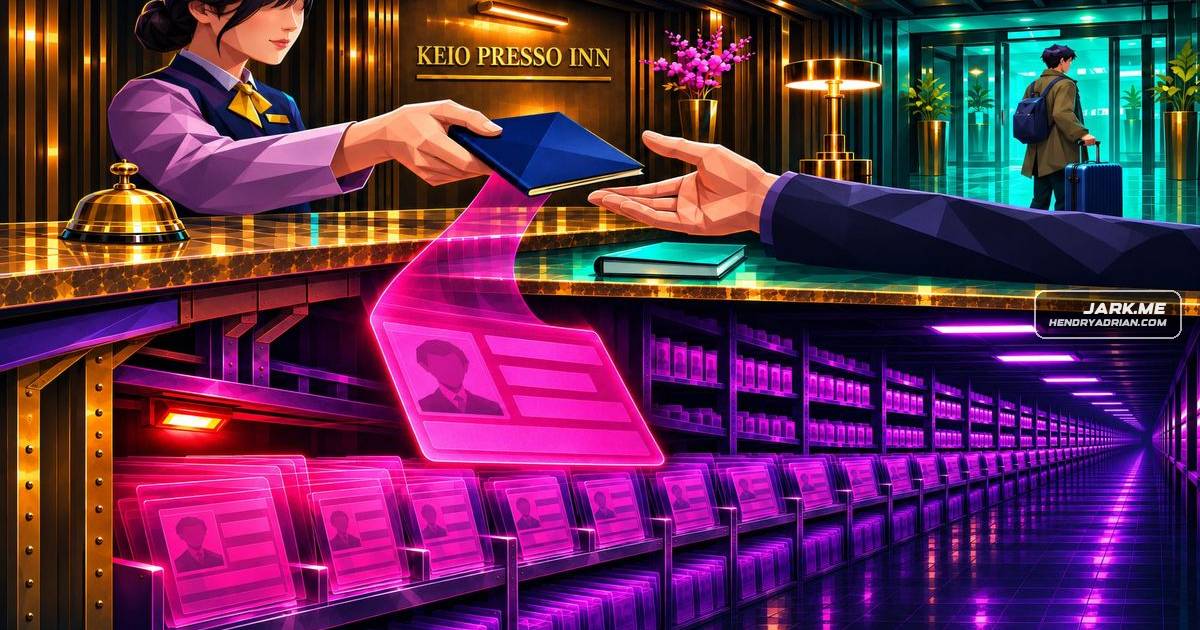
Keio says passport-copy records for about 1.6 million overseas hotel guests may have leaked in its September ransomware attack. It has not said whether they appeared in published files; Japanese rules set no destruction date for the copies.
Key points
- Keio confirmed a ransomware attack on September 26, 2026, that affected some sales and reservation systems and temporarily stopped accounting systems.
- Keio listed about 10.63 million people whose information may have leaked, including passport-copy records for about 1.6 million overseas hotel guests.
- Keio has not said whether passport copies were among the data published. Qilin listed Keio, but Keio has not named the threat actor.
- Keio confirmed leaked personnel details for about 12,000 employees, former staff, and dependents; it reported no confirmed financial loss or other misuse as of November 24.
- The company has not disclosed the affected passport copies' date range, the system holding them, or whether affected guests have been contacted.
- The article finds that Japanese rules require hotels to retain guest registers but set no destruction date for passport copies; it recommends Keio disclose the records' dates and notify affected guests.
Article Details
- Victim Organization
- Keio Corporation and affected Keio group companies
- Victim Domain
- keio.co.jp
- Incident Type
- Ransomware attack that disrupted business systems and was followed by a threat actor's claim that stolen information had been published.
- Incident Date
- 2026-09-26
- Disclosure Date
- 2026-09-26
- Data Types Exposed
- Passport copies and other identity documents (potentially leaked; Keio has not confirmed whether passport copies were among the published data)
- Names, postal and email addresses, phone numbers, national identification numbers, and credit card numbers (listed as potentially at risk)
- Personnel details (leak confirmed for about 12,000 employees, former employees, and dependents)
- Affected Records
- Keio listed information relating to about 10.63 million customers, business partners, and others as potentially leaked, including about 1.6 million passport-copy records of overseas hotel guests. Records for about 360,000 job applicants and about 77,000 employees, former staff, and dependents may also have leaked. Keio confirmed leaks involving about 12,000 personnel, about 160 job applicants, and about 150 property renters. Potentially affected payment data included about 20,000 Keio Credit Card numbers, 109 Keio Closet Seiseki-Sakuragaoka customer card numbers, and 382 Executive Card applicant card numbers.
- Affected Data Size
- Not disclosed
- Operational Impact
- Sales and reservation systems at some group companies were affected; Keio Presso Inn stopped taking new bookings and switched off self check-in kiosks. Keio stopped accounting systems temporarily, delaying its first-half results announcement. Three hotels limited card and QR-code payments. Keio projected about 1.8 billion yen less Keio Presso Inn room revenue from October to December and said rail and bus services were not disrupted.
- Ransom Or Extortion
- Qilin listed Keio on its dedicated leak site and claimed to have published part of the group's information. Outside experts told Keio that data Qilin claimed to have stolen had been published, but Keio has not confirmed that passport copies were included. Cisco Talos describes Qilin's approach as double extortion. No ransom demand or payment was reported.
- Claim Status
- claimed
MITRE ATT&CK
Threat Actors
Products
Keio Credit Cardloss or other misuse by then. Keio's notice also counted about 20,000 credit card numbers from the Keio Credit Card, used only at Keio Department Store, and 109 from customers of Keio Closet Seiseki-Sakuragaoka asKeio Passport VISA cardapplied as early as March 2012 for the Keio Plaza Hotel Executive Card, which is a co-branded Keio Passport VISA card. A second warning covered email, Short Message Service (SMS) texts, and phone calls impersonating
Countries
Japanwho stayed at Keio group hotels might have leaked. Keio has not said how old the copies are. Since 2005, Japan's Ministry of Health, Labour and Welfare (MHLW) has asked hotels to keep a passport copy for each foreignRussiatracks the adversary behind Qilin as REVENANT SPIDER. German investigators allege a 28-year-old Russian national is a core member and central software developer of REVENANT SPIDER. Qilin posted around 100
Industries
HospitalitySaudi Arabia. The Ministry of Tourism's hospitality regulations require hotels to examine the original identity document at check-in and record its data without requesting or taking a copy. Hotels register check-in andreal estatebusinesses were affected. The November 24 notice covered 47 group companies across transportation, real estate, hotels, construction and equipment, and lifestyle services. No notice has said which systems wereTransportationat some Keio businesses were affected. The November 24 notice covered 47 group companies across transportation, real estate, hotels, construction and equipment, and lifestyle services. No notice has said which