
China’s Pacific Strategy Combines Maritime Influence and Cyber Operations
Summary
An ISW-AEI report frames China’s Pacific strategy as maritime and political “guerrilla” activity; Resecurity links cyber espionage, infrastructure access, proxy attacks and information operations to that strategy, citing activity involving Taiwan, Guam and Palau.
Key points
- An ISW-AEI report describes China’s Pacific approach as combining surveillance, expanded maritime reach and efforts to weaken regional partnerships.
- Resecurity says PRC-aligned actors target regional telecommunications, government and critical infrastructure for espionage and persistent access, including use of compromised networks as relays.
- Resecurity characterizes hacktivist DDoS attacks, defacements and data leaks as potential pre-staging and influence activity; these are its assessments, not independently established findings in the article.
- Taiwan’s National Security Bureau describes campaigns against critical sectors using vulnerability exploitation, social engineering and supply-chain compromise.
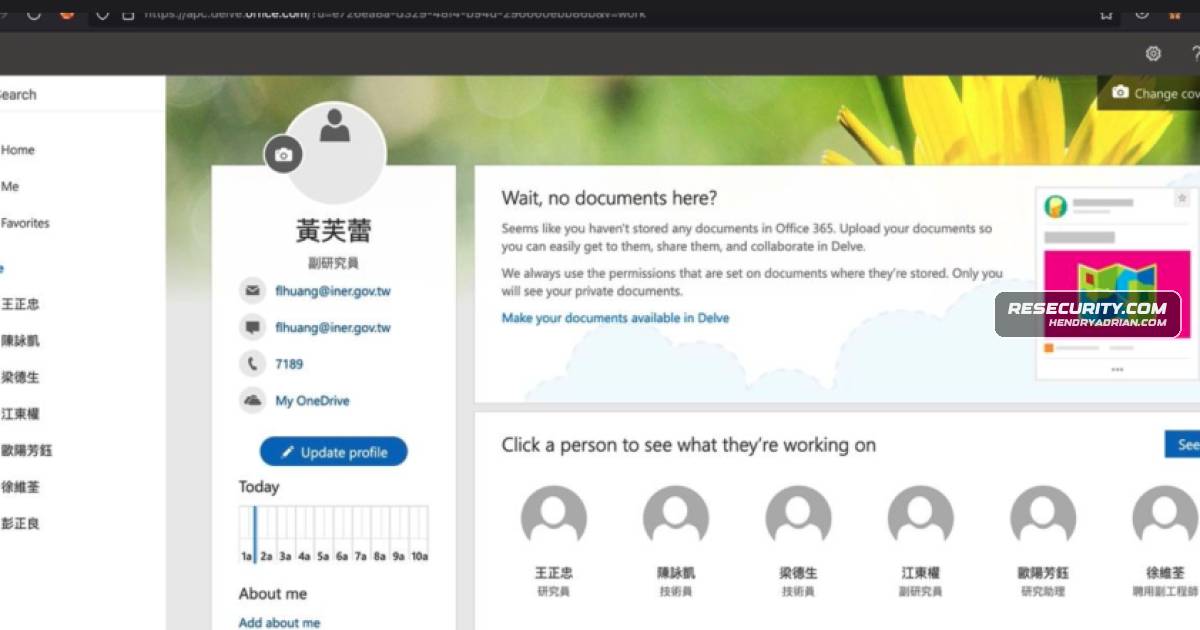
- Resecurity says actors compromised an Office 365 account associated with Taiwan’s Institute of Nuclear Energy Research to obtain sensitive communications.
- CISA, NSA and FBI confirmed Volt Typhoon compromises of U.S. critical infrastructure, including Guam, and assessed that the group maintained access for possible disruption during a crisis.
- A U.S.-China commission report says Palau attributed a cyberattack to China after about 20,000 government documents were stolen and posted online.
Article Details
- Topic
- China’s Pacific strategy and reported cyber operations targeting regional infrastructure, governments, and diplomatic interests
MITRE ATT&CK
T1090.003 · Multi-hop ProxyThe joint advisory describes Volt Typhoon using multi-hop proxies to conceal its activity.T1190 · Exploit Public-Facing ApplicationThe article says Chinese cyber actors exploit vulnerabilities in public-facing enterprise systems.T1491.002 · External DefacementThe article describes website defacements as part of activity targeting regional governments.T1498 · Network Denial of ServiceThe article describes DDoS attacks targeting regional governments and Taiwan.
Threat Actors
Mustang PandaUnit 42 identified malware packages assessed to target entities in the Philippines, Japan, and other Asian countries; the article says Mustang Panda is also known as Stately Taurus.Volt TyphoonCISA, NSA, and FBI confirmed Volt Typhoon compromises of U.S. critical infrastructure, including Guam, and assessed that the group maintained access for possible disruption during a crisis.
Products
Countries
BruneiSimilar targets based in Thailand, Vietnam, Brunei, and Malaysia have been probed by the same actors.ChinaTitled Surveil, Project, Divide: China’s “Guerrilla” Framework to Reshape the Pacific, the analysis details how the People’s Republic of China (PRC) is adapting classical Maoist guerrilla warfare principles into aJapanThe First Island Chain, including Japan, Taiwan and the Philippines, lies close to potential areas of military confrontation.MalaysiaSimilar targets based in Thailand, Vietnam, Brunei, and Malaysia have been probed by the same actors.PalauFurthermore, broader intelligence assessments across the Pacific Islands (such as in Palau) show an increasing convergence between PRC-linked transnational organized crime—operating cyber-scam compounds—and Beijing'sPhilippinesThe First Island Chain, including Japan, Taiwan and the Philippines, lies close to potential areas of military confrontation.Taiwanworking to shape the Pacific battlefield ahead of any potential conflict, particularly a contingency over Taiwan.ThailandSimilar targets based in Thailand, Vietnam, Brunei, and Malaysia have been probed by the same actors.United StatesIn November 2026, a joint report by the Institute for the Study of War (ISW) and the American Enterprise Institute (AEI) pulled back the curtain on a sweeping strategic doctrine shaping Beijing’s behavior across Oceania.VietnamSimilar targets based in Thailand, Vietnam, Brunei, and Malaysia have been probed by the same actors.
Industries
Critical infrastructureResecurity’s threat intelligence notes that Chinese cyber actors routinely target regional telecommunications providers, government ministries, and critical infrastructure across the Pacific and Southeast Asia.Defensecompromised regional networks serve a dual purpose: they enable continuous espionage on diplomatic and defense communications, and they act as operational relay boxes—obscuring the origin of cyberattacks launchedEnergyCritical Infrastructure Targeting: Taiwan’s National Security Bureau describes Chinese campaigns against energy, telecommunications, government and other critical sectors.GovernmentResecurity’s threat intelligence notes that Chinese cyber actors routinely target regional telecommunications providers, government ministries, and critical infrastructure across the Pacific and Southeast Asia.Maritimeof China (PRC) is adapting classical Maoist guerrilla warfare principles into a modern, multi-domain maritime and political campaign across the Pacific Islands.Nuclear energyOne of the notable espionage campaigns targeting Taiwan and focused on the nuclear energy sector has been identified by Resecurity threat intelligence team.TelecommunicationsSurveil: Leveraging dual-use maritime research vessels, space tracking stations, and telecommunications infrastructure to map ocean floors, monitor Allied naval movements, and gather signals intelligence across Oceania.