
Federal Tech Debt Is a Strategic Cybersecurity Risk
Summary
An opinion article argues that legacy federal systems, fragmented defenses and slow procurement increase cybersecurity risks, urging Congress and agencies to prioritize modernization, clarify vendor accountability and reduce duplicative platforms.
Key points
- The article cites recent FBI-disclosed attacks and the PlugX, Flax Typhoon and Volt Typhoon incidents as reasons to address federal cyber weaknesses.
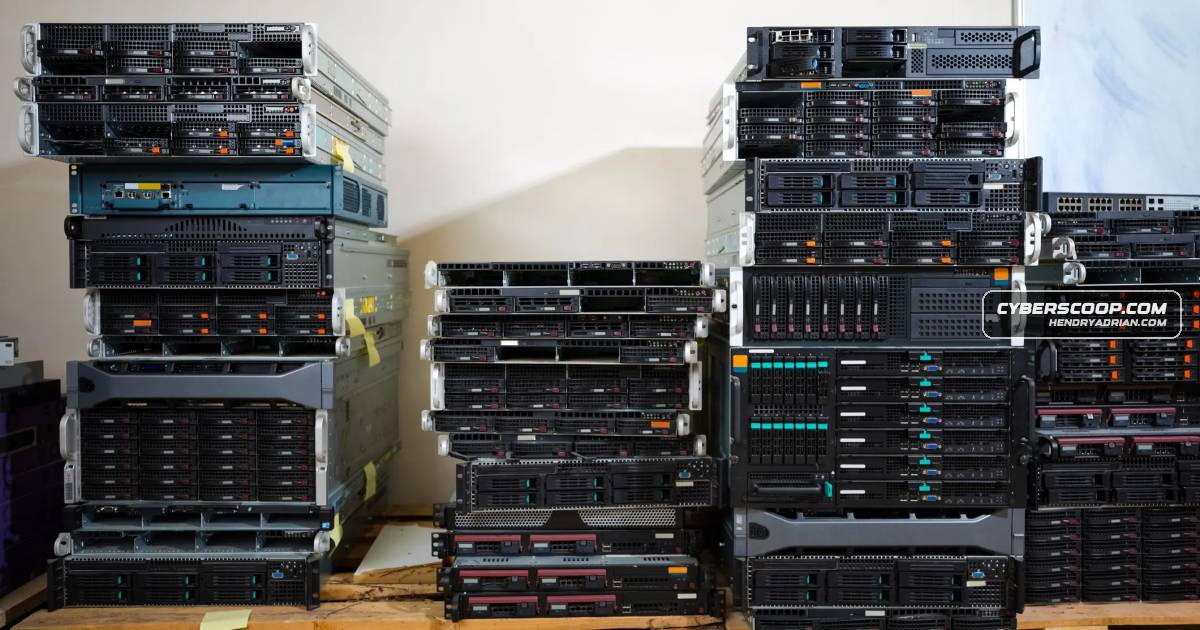
- It says agencies often operate multiple generations of systems, with legacy databases, cloud environments, service providers and internal teams lacking a shared view of connections.
- A 2025 R Street Institute report puts annual federal IT spending above $100 billion, with as much as 80% going to operating and maintaining existing systems.
- The author argues fragmented networks and defenses could weaken the government's ability to operate during a crisis involving China or Russia.
- Recommendations include faster procurement for trusted security technology, clearer vendor accountability after breaches and reducing duplicative platforms that expand attack surfaces.
Article Details
- Topic
- Federal government technology debt and fragmented systems as national security risks
Threat Actors
Malware
Countries
Industries
Critical infrastructurecritical infrastructure — the latest in a series that includes the 2025 PlugX malware incident, the 2024 Flax Typhoon hack and the 2023 Volt Typhoon operation.GovernmentThese attacks are often aimed at the federal government’s own networks, and they are all too often successful.