
Zimperium Reports ArcticRAT Uses AI to Analyze Stolen Android Data
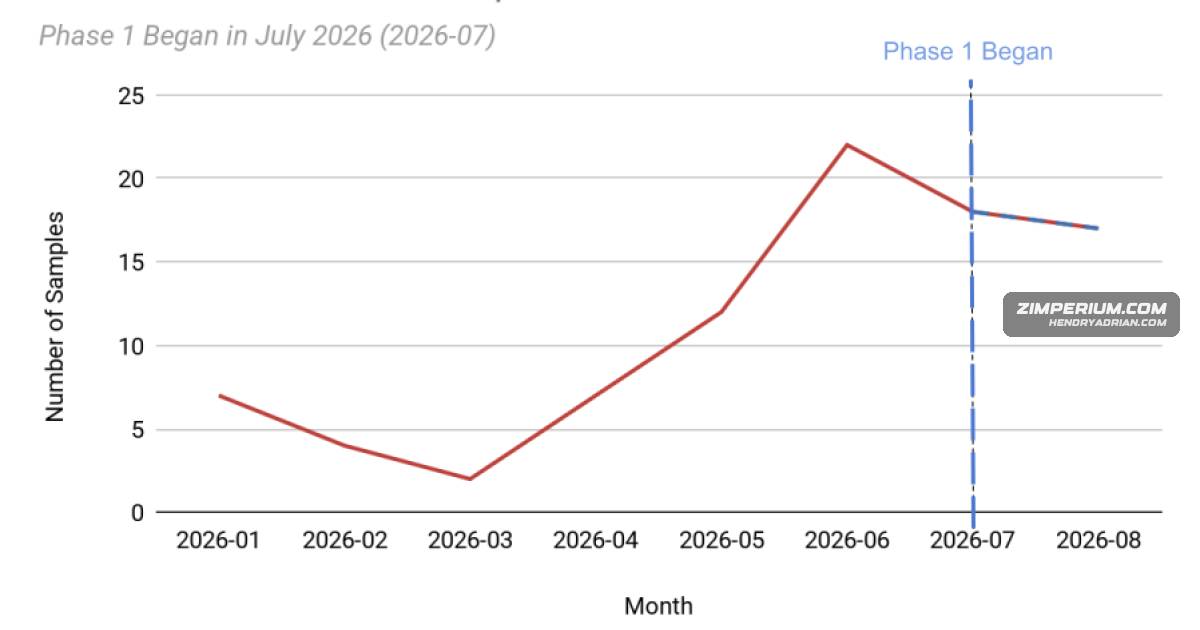
Summary
Zimperium researchers report that ArcticRAT uses Android Accessibility Services, Hidden VNC and Wireless ADB for surveillance and control, and an xAI API to analyze stolen app data and SMS messages for financial information.
Key points
- zLabs reports analyzing 78 ArcticRAT samples, 42 droppers and 36 payloads, documenting a malware family that evolved from targeting cryptocurrency-app users.
- Researchers observed delivery through malvertising, smishing and third-party forums, including landing pages impersonating Google Play; some payloads came from AWS buckets.
- The dropper uses Android VPN service privileges to suppress network traffic during staging, then decrypts and installs a secondary payload.
- The malware uses Accessibility Services and TCP C2 channels for remote control, screen capture, keylogging and collection of credentials, SMS and device telemetry.
- An xAI API directive sends installed-app information and SMS data for analysis, including filtering for banking apps, authentication codes and financial activity; results are returned to the C2.
- Researchers describe Wireless ADB pairing that can establish a shell used to manipulate Accessibility Services and device lock settings.
- ArcticRAT’s screenlocker displays a fake encryption overlay for extortion; the report says the malware does not actually encrypt files.
Article Details
- Attack Vectors
- Malvertising, smishing, and third-party forums directed users to malicious landing pages, including sites impersonating Google Play.
- Droppers impersonated trusted consumer apps and decrypted a secondary payload from their internal assets before installing it.
- ArcticRAT abused Accessibility Services for screen scraping, automated interaction, and remote control, and used dynamic overlays to capture lock-screen credentials.
- The malware abused Android Wireless Debugging to pair with ADB over Wi-Fi and execute shell commands on the compromised device.
- Operators used C2 commands to collect device telemetry, keystrokes, screenshots, SMS messages, and screen video, then exfiltrated data over TCP sockets.
- An xAI API integration analyzed installed apps and harvested SMS messages for financial information before returning structured results for exfiltration.
- Defensive Notes
- The article says Zimperium MTD and zDefend are designed to detect ArcticRAT droppers and dynamically loaded payloads.
- The article describes Zimperium MTD Web Content Filtering as blocking spoofed distribution pathways and C2 communications.
- The article says zDefend-protected apps can detect unauthorized screen sharing and overlay injections during sensitive financial sessions.
- The article describes Mobile App Vetting as scanning for malicious behaviors and embedded LLM API integrations.
MITRE ATT&CK
T1404The malware scanned for Wireless Debugging pairing services, established an ADB connection, and used the resulting shell to manipulate device settings.T1407The dropper decrypted a secondary payload from its internal assets and installed it through the Android session installer.T1417.001The malware recorded keystrokes in date-stamped JSON files under /storage/emulated/0/config/System/.T1417.002The <Phsing> command displayed a localized fake lock screen that captured the victim's PIN, pattern, or password.T1426ArcticRAT collected device telemetry including battery level, screen state, Wi-Fi connectivity, and wallpaper.T1453ArcticRAT abused Android Accessibility Services to scrape screen content, automate interactions, and remotely control the device.T1476Samples were distributed through phishing websites impersonating trusted app sources, including Google Play.T1509ArcticRAT separated C2 and streaming traffic across TCP ports including 9999, 8888, 5055, and 5000.T1512The malware used Android MediaProjection and a virtual display to transmit real-time screen video over its HVNC channel.T1628ArcticRAT displayed an undismissable black overlay and reduced screen brightness to hide attacker activity from the device user.T1629The dropper established a VPN that null-routed network traffic during staging, which the article says blinded Google Play Protect telemetry.T1630.001The C2 command <apk_remove> triggered an automated self-uninstallation sequence.T1636.004The malware harvested SMS messages and used an AI prompt to extract authentication codes, balance changes, and transaction alerts.T1646The malware sent telemetry, screen frames, credentials, and AI-processed JSON data to its C2 infrastructure over TCP sockets.T1660The campaign used phishing landing pages and impersonated trusted brands to induce users to download the malware.
Malware
Vendors
Amazon Web ServicesIn addition to standalone phishing infrastructure, researchers also observed payload delivery originating directly from Amazon Web Services (AWS) buckets.xAIDuring dynamic analysis, the sample was observed integrating Large Language Model (LLM) capabilities by querying the xAI API using the grok-4.20-0309-non-reasoning model.ZimperiumZimperium vs. ArcticRAT
Products
AndroidUncovering ArcticRAT: The Evolution from Targeted Crypto-Stealer to AI-Powered Android RATGoogle Playduring our research, the primary attack vector relied on a landing page that convincingly impersonated Google Play to trick targets into downloading a malicious application (Figure 2).Google Play ProtectOperating initially as a dropper, the malware requests VPN service privileges to null-route network communication on the victim's device, effectively blinding Google Play Protect telemetry during the staging phase.grok-4.20-0309-non-reasoningDuring dynamic analysis, the sample was observed integrating Large Language Model (LLM) capabilities by querying the xAI API using the grok-4.20-0309-non-reasoning model.Mobile Runtime Protection (zDefend)Advanced Malware and Dropper Detection: Both Zimperium MTD (Mobile Threat Defense) and zDefend (Mobile Application Runtime Protection) are engineered to detect both the initial low-profile dropper sample and the heavilyZimperium MTDAdvanced Malware and Dropper Detection: Both Zimperium MTD (Mobile Threat Defense) and zDefend (Mobile Application Runtime Protection) are engineered to detect both the initial low-profile dropper sample and the heavily