
Fake Windows 11 Facebook Ads Deliver Malware Targeting Passwords and Crypto Wallets
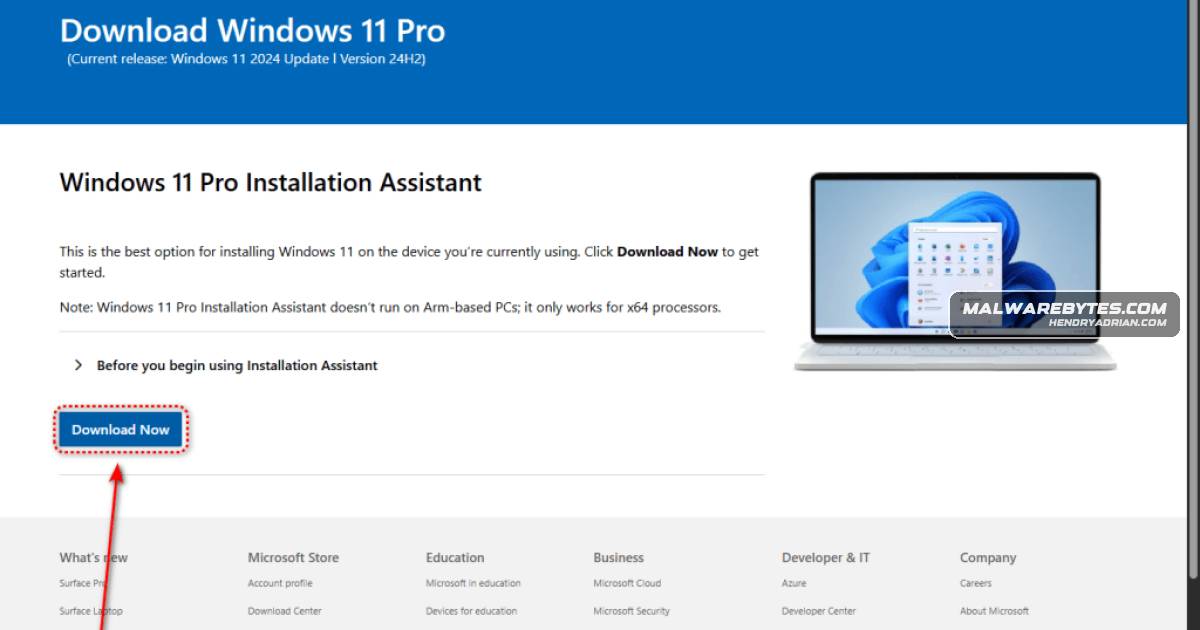
Summary
A report details Facebook ads impersonating Microsoft Windows 11 updates that lead to a malicious installer and Electron-based LunarApplication. The malware is reported to target browser credentials, sessions, and crypto wallet data.
Key points
- Paid Facebook ads imitated Microsoft promotions and directed users to counterfeit Windows 11 download pages offering a 75 MB installer, ms-update32.exe.
- The installer, reportedly delivered from raw[.]githubusercontent[.]com, deploys an Electron-based application named LunarApplication.
- The campaign uses geofencing and virtual-machine, debugger, and sandbox checks to evade analysis; data-center traffic may be redirected to a benign page.
- The malware is reported to target saved browser passwords, session cookies, and cryptocurrency wallet data.
- Reported techniques include obfuscated PowerShell, process injection, registry-based persistence, and deletion of temporary files; the article also describes possible shutdown or reboot behavior.
- Separate phishing domains and Facebook Pixel IDs were used across parallel ad campaigns to track conversions and provide redundancy.
- The article advises affected users to scan systems, change passwords from a clean device, and move crypto funds to a new wallet; it also recommends blocking the phishing domains and hunting for related files.
Article Details
- Attack Vectors
- Paid Facebook ads impersonated Microsoft Windows 11 promotions and directed users to counterfeit download pages.
- The phishing pages used geofencing and sandbox or virtual-machine detection to show benign content to data-center and analysis traffic while offering the installer to likely regular users.
- The 75 MB ms-update32.exe installer was delivered from a specific GitHub-hosted URL and deployed the Electron-based LunarApplication.
- Obfuscated PowerShell scripts collected browser credentials and session data; the malware also targeted cryptocurrency wallet data and used process injection.
- The operators used separate phishing domains and parallel ad campaigns with distinct Facebook Pixel IDs to track conversions and provide redundancy.
- Defensive Notes
- Block the identified phishing domains at DNS and web proxies.
- Alert on PowerShell execution using -ExecutionPolicy Unrestricted, particularly in non-administrative contexts.
- Hunt for the LunarApplication directory and randomized .yiz.ps1 and .unx.ps1 files in %TEMP%.
- If the installer was run, treat the system as compromised; scan and clean it, change account passwords from a clean device, and move cryptocurrency funds to a new wallet with a newly generated seed phrase.
- Obtain Windows updates through Windows Update in system settings, not through websites or social media ads.
Indicators of compromise
| Type | Indicator | Context |
|---|---|---|
| DOMAIN | ms-25h2-download[.]pro | Phishing domain used for a counterfeit Windows 11 download page. |
| DOMAIN | ms-25h2-update[.]pro | Phishing domain used for a counterfeit Windows 11 download page. |
| DOMAIN | ms25h2-download[.]pro | Additional phishing domain reported as part of the campaign. |
| DOMAIN | ms25h2-update[.]pro | Additional phishing domain reported as part of the campaign. |
| SHA256 | c634838f255e0a691f8be3eab45f2015f7f3572fba2124142cf9fe1d227416aa | SHA-256 hash identified for the malicious ms-update32.exe installer. |
MITRE ATT&CK
T1027 · Obfuscated Files or InformationThe malware uses RC4, HC-128, XOR encoding, and FNV hashing for API resolution to hinder analysis.T1036 · MasqueradingThe counterfeit download pages copied Microsoft branding and page design, and the installer presented itself as a Windows update.T1055 · Process InjectionThe malware creates suspended Windows processes, injects code into them, and resumes execution.T1059.001 · PowerShellTwo obfuscated PowerShell scripts are written to %TEMP% and executed with -ExecutionPolicy Unrestricted.T1070.004 · File DeletionThe installer deletes temporary files after execution to reduce its forensic footprint.T1105 · Ingress Tool TransferThe counterfeit download page delivers the malicious installer from a GitHub-hosted URL.T1112 · Modify RegistryThe malware writes a large binary blob to HKEY_LOCAL_MACHINESYSTEMSoftwareMicrosoftTIPAggregateResults.T1497.001 · System ChecksThe installer checks for virtual machines, debuggers, and analysis tools, then stops if it detects them.T1555.003 · Credentials from Web BrowsersThe malware targets saved browser passwords and browser credential stores.T1566 · PhishingPaid Facebook ads impersonated Microsoft promotions to lure users to malicious downloads.
Malware
Products
FacebookAttackers ran paid Facebook ads that mimicked official Microsoft Windows 11 update promotions and redirected victims to near-perfect counterfeit download pages that delivered a malicious 75 MB installerWindows 11Attackers ran paid Facebook ads that mimicked official Microsoft Windows 11 update promotions and redirected victims to near-perfect counterfeit download pages that delivered a malicious 75 MB installer