
Researchers Detect Residential Proxy Traffic Exiting White House Network
Summary
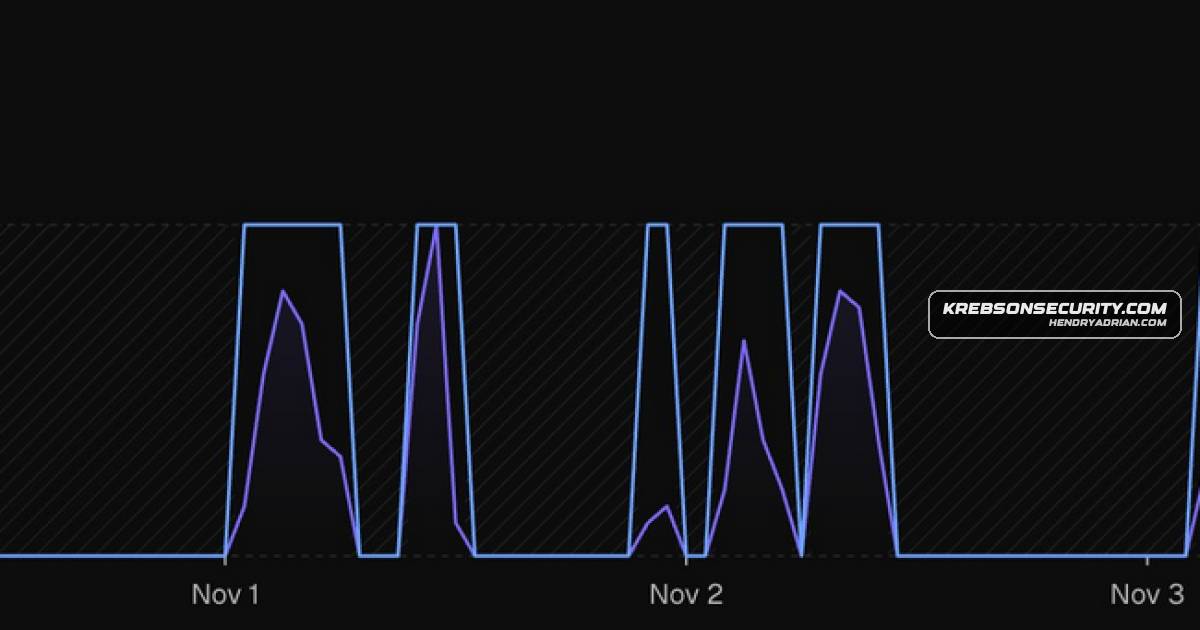
Layer3 Intel reported persistent residential-proxy traffic from the Executive Office of the President’s network in October–November 2026, including 236 proxy exits. Synthient linked activity to Windows 11 systems running Infatica; the White House had not responded.
Key points
- Layer3 Intel detected residential proxy nodes beaconing from the Executive Office of the President’s network address range, AS2650, between October 5 and November 3.
- Layer3 said proxy traffic exited through the White House network 236 times; six addresses were involved on 26 of the 30 days, mostly in the evening.
- Layer3 reported that 28 residential proxy services could route traffic through the network, with access available to customers of public proxy services.
- Synthient attributed activity from AS2650 to multiple Windows 11 installations of Infatica, a proxy service often bundled with free applications.
- Residential proxy services can expose users’ network addresses for others to rent; researchers have also documented vulnerabilities that could enable probing or control of devices on users’ local networks.
Article Details
- Event Type
- Residential proxy activity detected exiting through internet addresses reserved for the Executive Office of the President.
- Impact
- Layer3 Intel reported that proxy traffic exited through the White House network 236 times from October 5 to November 3, 2026, using six internet addresses on 26 of 30 days. Synthient attributed activity from the network to multiple Windows 11 installations of Infatica. The reports indicate that customers of residential proxy services could route traffic through White House addresses, exposing a sensitive government network to use for anonymization or location spoofing; the article does not report that the activity resulted in a breach.
People
Ben BrundageSynthient founder who demonstrated abuse of a vulnerability in residential proxy services that could let cybercriminals seize control of devices inside users' local networks.Vladimir FomenkoIdentified as Infatica's founder. The article says his hosting firm, King Servers, hosted six of eight internet addresses used by Russia's state security services to compromise election-system databases in Arizona and Illinois in 2016; it does not state that Fomenko personally participated in those attacks.
Vendors
Infaticaactivity it saw coming from AS2650 was related to multiple Windows 11 installations of a service called Infatica, a proxy program that is often integrated into “free” mobile and desktop applications.King ServersInfatica’s founder Vladimir Fomenko is a Russian man whose hosting firm King Servers was home to six of the eight internet addresses used by Russia’s state security services to compromise databases for election systemsLayer3 IntelThe security firm Layer3 Intel said it detected multiple residential proxy nodes beaconing out from the internet address network reserved for the Executive Office of the President (AS2650).SynthientThe proxy tracking company Synthient said on Twitter/X that the activity it saw coming from AS2650 was related to multiple Windows 11 installations of a service called Infatica, a proxy program that is often integrated
Products
Infaticaactivity it saw coming from AS2650 was related to multiple Windows 11 installations of a service called Infatica, a proxy program that is often integrated into “free” mobile and desktop applications.Windows 11company Synthient said on Twitter/X that the activity it saw coming from AS2650 was related to multiple Windows 11 installations of a service called Infatica, a proxy program that is often integrated into “free” mobile