
Storm-2561 Uses Fake VPN Clients to Steal Credentials, Microsoft Says
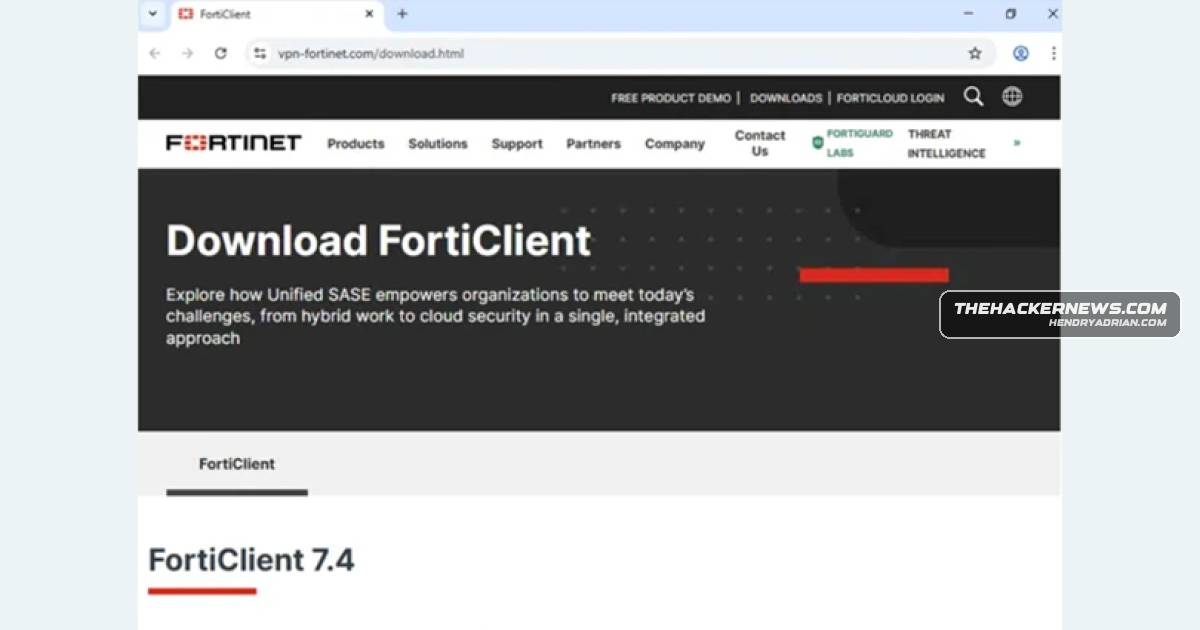
Summary
Microsoft says Storm-2561 used SEO-poisoned search results and fake, digitally signed VPN installers to steal credentials through DLL sideloading; Microsoft removed malicious GitHub repositories and revoked a signing certificate.
Key points
- Microsoft observed the campaign in mid-January 2026 and attributed it to Storm-2561.
- SEO poisoning directed users searching for enterprise VPN software to malicious ZIP files hosted on attacker-controlled sites and GitHub.
- Trojanized MSI installers sideload malicious DLLs and can deploy the Bumblebee loader or Hyrax information stealer.
- A fake VPN sign-in dialog captures credentials, then displays an error and may direct users to the legitimate vendor site.
- The malware uses the Windows RunOnce registry key for persistence and exfiltrates collected VPN credentials.
- Microsoft removed malicious GitHub repositories and revoked the certificate used to digitally sign the malicious components; users are advised to enable MFA and verify software downloads.
Article Details
- Event Type
- Credential-theft campaign using SEO poisoning and trojanized VPN clients
- Impact
- The campaign used fake VPN clients to capture and exfiltrate VPN credentials. The malware also established persistence through the Windows RunOnce registry key. Microsoft said it removed the malicious GitHub repositories and revoked the signing certificate.
Indicators of compromise
| Type | Indicator | Context |
|---|---|---|
| DOMAIN | ivanti-vpn[.]org | Bogus site used in the reported campaign to distribute a trojanized Ivanti Pulse Secure VPN client and steal VPN credentials. |
MITRE ATT&CK
T1204.002 · Malicious FileVictims were tricked into downloading and installing malicious VPN client files.T1547.001 · Registry Run Keys / Startup FolderThe malware used the Windows RunOnce registry key to persist across system reboots.T1574.002 · DLL Side-LoadingThe trojanized MSI installers sideloaded malicious DLLs.T1608.006 · SEO PoisoningThe campaign used SEO poisoning to redirect searches for legitimate VPN software to malicious downloads.
Threat Actors
Malware
Vendors
Products
GitHubThe activity, attributed to Storm-2561, delivers digitally signed trojans via attacker-controlled sites and abused GitHub repositories to sideload malicious DLLs and deploy information stealers.Ivanti Secure Accessfor software programs from companies like SonicWall, Hanwha Vision, and Pulse Secure (now Ivanti Secure Access) on Bing to fake sites and trick them into downloading MSI installers that deploy the BumblebeePulse Secureto redirect users searching for software programs from companies like SonicWall, Hanwha Vision, and Pulse Secure (now Ivanti Secure Access) on Bing to fake sites and trick them into downloading MSI installers that