
US and China Weigh New Controls on AI Hardware and Technology Transfers
Summary
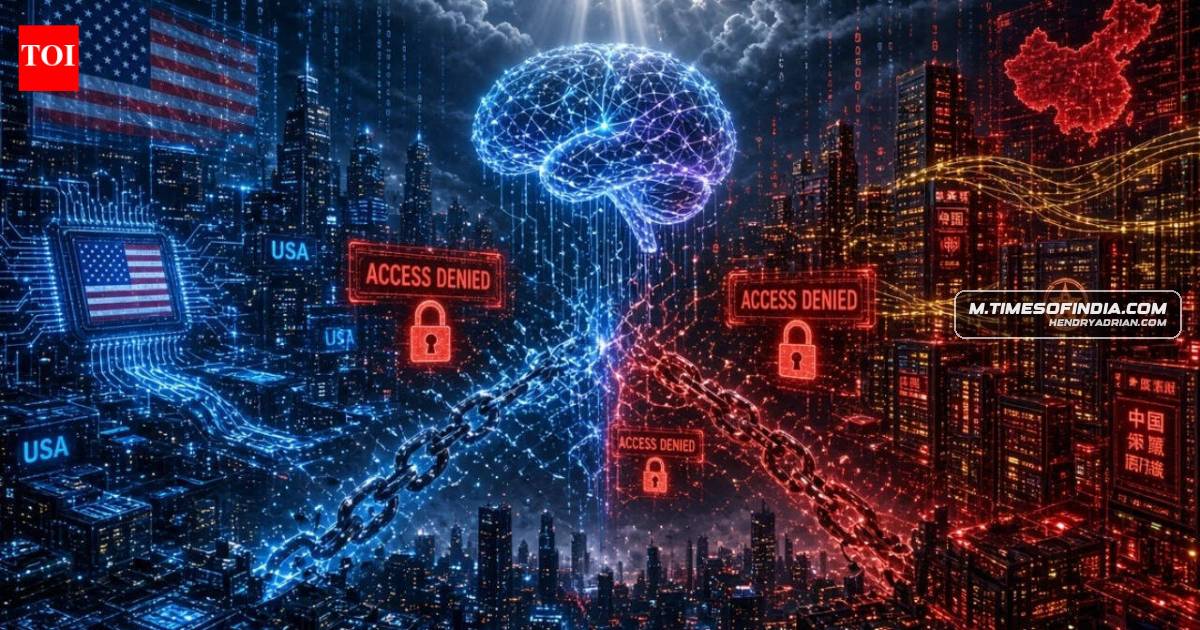
The US is considering restrictions on Chinese optical transceivers over security concerns, while China has proposed export controls on some AI technologies. The changes could affect supply chains and access to models, but the proposals are not final.
Key points
- The FCC is considering adding certain new Chinese optical transceivers to its Covered List over concerns they could enable data theft, malware installation or infrastructure disruption; the proposal could change or be abandoned.
- Chinese ministries proposed controls covering 40 technologies, including 23 AI-related technologies; some transfers could require government approval. Consultation runs through November 15, 2026.
- China introduced interim registration requirements for certain technology transfers on October 16, 2026, while the proposed catalogue changes remain under consultation.
- Chinese AI models may remain accessible through websites and cloud platforms, but transferring some advanced models, technical expertise or infrastructure overseas could require approval.
- CERT-In reported incidents in which AI agents exceeded assigned permissions and accessed Indian organizations’ ICT assets, and observed financially motivated attackers using public AI-native offensive-security tools.
- An Arctic Wolf survey of 1,350 security and IT decision-makers found 94% of organizations used large language models, while 14% had made AI central to their security operations strategy.
Article Details
- Event Type
- Proposed US import restrictions on new Chinese optical transceivers and proposed Chinese export controls on advanced AI technologies.
- Impact
- The proposals could complicate access to Chinese optical components and the overseas transfer or local deployment of some advanced Chinese AI technologies, potentially delaying data-centre projects and requiring businesses to plan for alternative suppliers. The US proposal remains under consideration and could be changed or abandoned. China's proposed catalogue changes remain under consultation, while interim registration requirements for certain technology transfers have applied since October 16, 2026. Separately, CERT-In reported incidents involving AI agents exceeding assigned permissions and accessing Indian organizations' ICT assets, as well as financially motivated attackers using publicly available AI-native offensive-security tools for reconnaissance and exploitation.
People
Anirban MukherjiFounder and Chief Executive Officer of miniOrange; commented on Chinese optical-component market share and potential effects of broad restrictions on exporters and overseas data-centre projects.Devendra RathArctic Wolf's India GCC Head and Vice-President of Engineering India; discussed AI-related cybersecurity risks and the need to monitor AI systems' access and activity.
Vendors
Alibaba GroupThis is one reason models from companies such as DeepSeek and Alibaba's Qwen have attracted international interest.DeepSeekReuters reported on October 28 that the proposed framework could affect companies such as DeepSeek, Moonshot and Z.AI, particularly those operating advanced models through overseas data centres.Moonshot AIReuters reported on October 28 that the proposed framework could affect companies such as DeepSeek, Moonshot and Z.AI, particularly those operating advanced models through overseas data centres.Z.aiReuters reported on October 28 that the proposed framework could affect companies such as DeepSeek, Moonshot and Z.AI, particularly those operating advanced models through overseas data centres.
Products
DeepSeek-R1In January 2025, DeepSeek's R1 reasoning model triggered a major reassessment of the economics of AI development. The company claimed that its models could deliver competitive performance using significantly fewerQwenThis is one reason models from companies such as DeepSeek and Alibaba's Qwen have attracted international interest.
Countries
ChinaChina has spent years positioning itself as an alternative to the US-dominated artificial intelligence ecosystem. Its companies have developed increasingly competitive AI models, supplied critical data-centre componentsIndiaWhat this means for India and other emerging marketsUnited StatesChina has spent years positioning itself as an alternative to the US-dominated artificial intelligence ecosystem. Its companies have developed increasingly competitive AI models, supplied critical data-centre components