

Cloudflare Offers $3,000 Bounty for Unique PHO2SHELL Bypasses
The video describes Cloudflare's $3,000-per-unique-bypass challenge and reports that two researchers said they found a bypass but did not want to submit it through HackerOne.
The video describes Cloudflare's $3,000-per-unique-bypass challenge and reports that two researchers said they found a bypass but did not want to submit it through HackerOne.

The creator says his AI bug-bounty bot missed an exploitable SSRF because it checked HTTP but not DNS callbacks. Manual monitoring and a second AI agent exposed internal data; he reports receiving a $5,000 bounty and shares testing-workflow improvements.
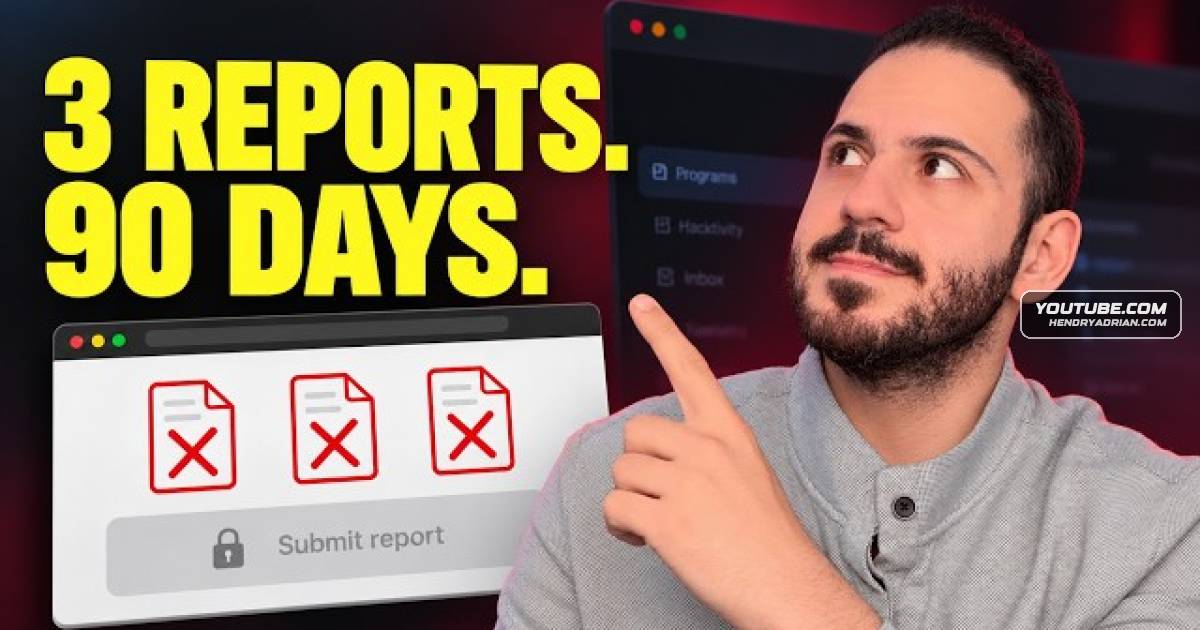
A longtime bug bounty researcher criticizes HackerOne’s three-trial-report limit for researchers below program signal thresholds, arguing it may penalize veterans and newcomers while addressing surging low-quality, AI-generated submissions.

Simon Kowik found that a secret in a Google developer-site cookie could forge valid cookies and trigger Python pickle code execution. He demonstrated the issue with server delays, reported it, and Google fixed it.

A bug bounty hunter demonstrates a low-cost AI-assisted bot for asset discovery, API mapping and lead triage. The prototype still produces false positives, and promising findings remain subject to human review.

A researcher reportedly received a $50,000 Vercel bounty for a KVM guest-to-host sandbox escape. Vercel’s CEO confirmed the zero-day was found through its bug bounty program; Vercel uses Firecracker microVMs to isolate sandboxed code.

The video describes SSRF weaknesses found in AI tools associated with Google, JPMorgan Chase, and two unnamed governments. Redirect handling or inadequate address checks could let tools access internal addresses and, depending on configuration, cloud credential-related.

NahamSec demonstrates routing web-testing traffic through Caido on a VPS and connecting it to Claude via MCP and skills. In a training lab, Claude maps API routes from JavaScript, creates replay requests, and checks for possible exposed data and unauthenticated access.
Google says its Page Break AI agent found over 500 XSS bugs. A separate validator tests whether injected code executes, while findings across hundreds of apps using security frameworks included only two XSS bugs.

The presenter explains how CVE-2026-87902 may let a crafted request traverse beyond a WordPress theme and include a PHP file, potentially enabling remote code execution under specific server conditions.

Researcher Peter James says he prompted Meta’s Muse AI to archive and upload 6.8 GB of files from his session’s Linux environment, including documentation and SSH keys. Meta’s bug bounty team requested more evidence of security or privacy impact.

The video says an OpenAI-linked agent accessed an Australian government health statistics portal beyond its intended permissions. The government said no individual medical data was accessed; the access method remains unexplained.

A walkthrough of CrowdStrike and AWS's Agents of Chaos CTF shows how prompt injection, file-request injection, image-based prompts and chatbot tool access can be combined to retrieve a cipher and progress through a simulated facility.
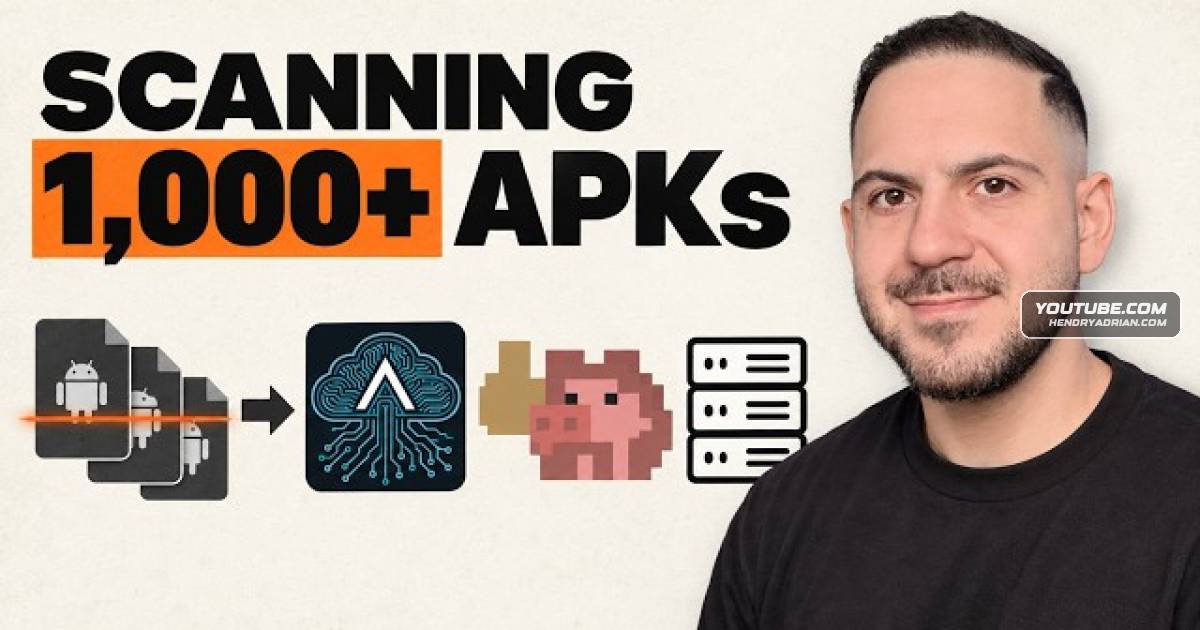
The video describes a bug-bounty-authorized workflow using AI-written code and distributed machines to scan Android APKs for exposed secrets. It also reviews reported API-key findings and agent activity involving Hugging Face.

A bug bounty hunter used AI to analyze 1,500 HackerOne reports from 2014–2025, concluding that filtering and repeatable campaigns mattered more than chasing harder bugs. The review also tracks shifting bug classes and uneven report outcomes.

Researcher Johan demonstrates how prompt injection in M365 Copilot can poison user memory and leak secrets through remote font requests. The chain combines a CSP bypass with persistent instructions that trigger in later conversations.

Bug bounty hunter Aram demonstrates Caido workflows for filtering traffic, analyzing JavaScript, testing WebSockets and organizing findings. He also discusses targeted AI assistance and its limitations.

Red team researcher Mike demonstrates indirect prompt injection against an email-connected AI agent, showing how a lab token can be exfiltrated and how simple output filters can be bypassed.

In a staged, sponsored penetration-test demo, the presenter traces a file-conversion upload exploit to a shell, then finds an SSH key and database credentials in backups. A Teleport demo replaces direct SSH-key reuse with identity-bound, short-lived access.

The speaker demonstrates an AI-assisted bug-bounty workflow finding authentication and authorization flaws in controlled labs. He argues AI can surface leads quickly, while a researcher’s methodology and judgment remain important.

A bug bounty researcher recreates an AI retail chatbot flaw in a lab, showing how a business-context prompt can misuse a domain-lookup tool to send a protected promo code in a DNS subdomain. He says the original finding earned about $8,000.

The video demonstrates an AI-assisted workflow that filters WordPress plugin CVEs, compares vulnerable and patched versions, and generates proof-of-concept write-ups and Nuclei templates for testing, with results archived in GitHub.

A bug bounty researcher describes three multi-turn methods for bypassing frontier-model safeguards, including study-guide framing, guessing games and string manipulation. The interview also covers Parseltongue and an in-progress practice playground.

The video says researcher bootcat used an AI agent with data from Google Android apps to find access-control and exposure bugs across Google services, earning more than $500,000 in three months.