
Code Security Basics for Developers Using AI Coding Agents
Summary
A beginner’s guide to securing code built with AI agents, covering secrets, first- and third-party code, dependency risks, security questions to ask agents, and common scanning tools.
Key points
- First-party code is maintained by the application developer; third-party dependencies introduce risks such as known vulnerabilities and malicious packages.
- The article says coding agents often rely heavily on outdated dependency versions.
- Avoid hardcoding passwords, tokens, and keys; use environment variables or a secret manager.
- Ask coding agents to review authentication, access controls, exposed services, insecure patterns, and dependencies for known vulnerabilities.
- SCA scans dependencies; SAST examines code without running it; IAST and DAST test running applications in different ways.
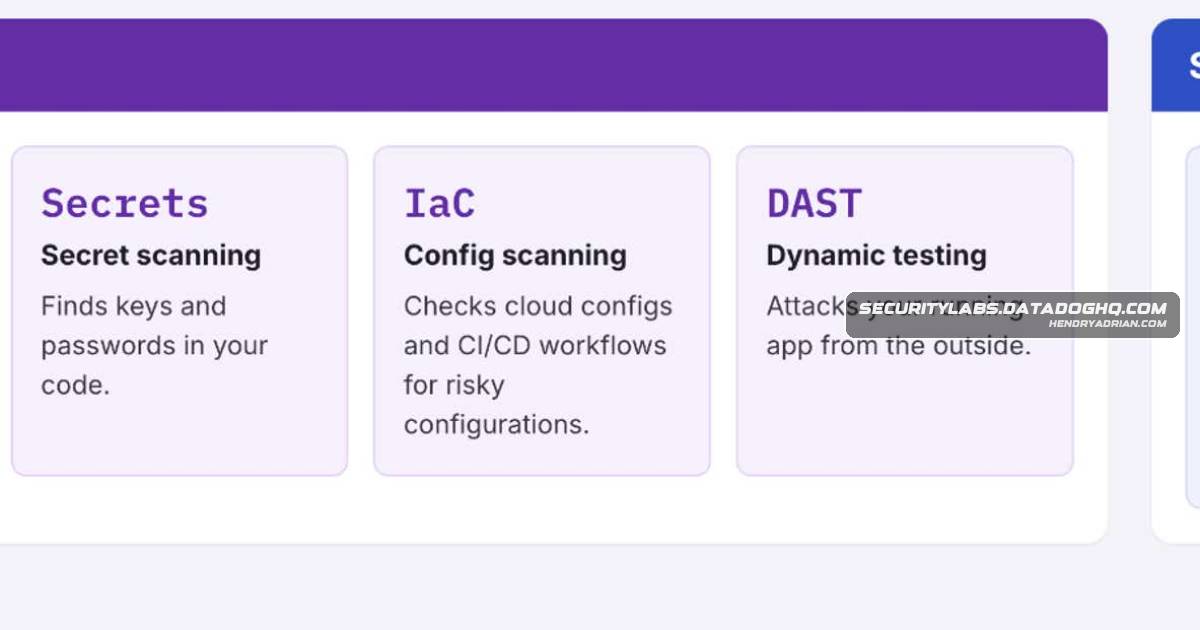
- IaC scanners check infrastructure configuration, while secret scanners look for hardcoded credentials.
- The article recommends scanning first- and third-party code, updating dependencies, and checking for common vulnerabilities.
Article Details
- Topic
- Secure coding practices and security tools for AI-assisted application development
Vendors
Products
Tools
GuardDogDatadog also has two open source tools that can be used for supply chain security: GuardDog to flag malicious packages and Supply Chain Firewall to block malicious packages from being installed.Supply Chain Firewall (SCFW)Datadog also has two open source tools that can be used for supply chain security: GuardDog to flag malicious packages and Supply Chain Firewall to block malicious packages from being installed.