
Seven Best Practices for Securing APIs
· 7:40 · Watch on YouTube ↗
Summary
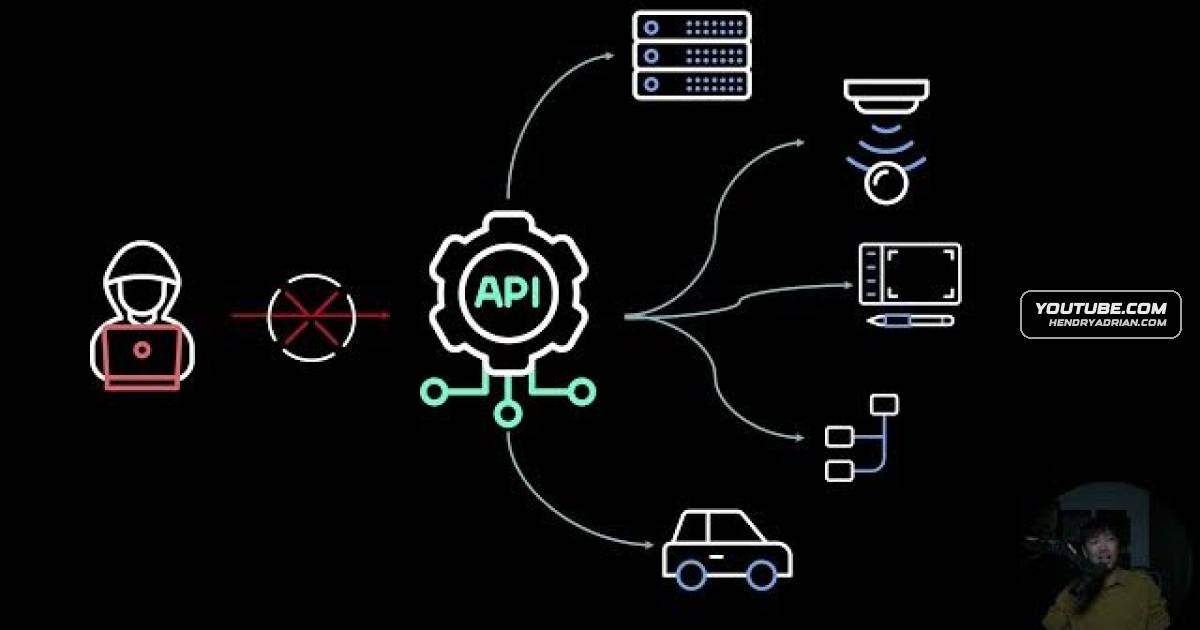
A tutorial outlines seven API security practices: authentication, authorization, rate limiting, input validation, monitoring, replay-attack protection, and API discovery to identify unprotected endpoints.
Key points
- Use authentication to verify a user's identity and authorization policies to restrict access to that user's permitted data and services.
- Place APIs behind a firewall and limit request floods to help prevent denial-of-service attacks.
- Validate inputs and use firewall rules to block malicious payloads such as SQL injection, cross-site scripting, and command injection.
- Aggregate security events from firewalls, API gateways, databases, file systems, and workloads so analysts can assess and respond to attacks.
- Protect against replay attacks that reuse authenticated or authorized requests, including repeated transactions.
- Inventory and discover APIs to find endpoints that may be unprotected and directly accessible.
Article Details
- Topics
- [01:47] API authentication
- [02:33] API authorization and access controls
- [03:16] Rate limiting and protection against request floods
- [04:12] Input validation and malicious-payload filtering
- [05:07] Security monitoring and incident response
- [05:53] Replay-attack protection
- [06:34] API discovery and identification of unprotected endpoints