
How an Outdated Libheif Dependency Left OpenAI Vulnerable
· 10:12 · Watch on YouTube ↗
Summary
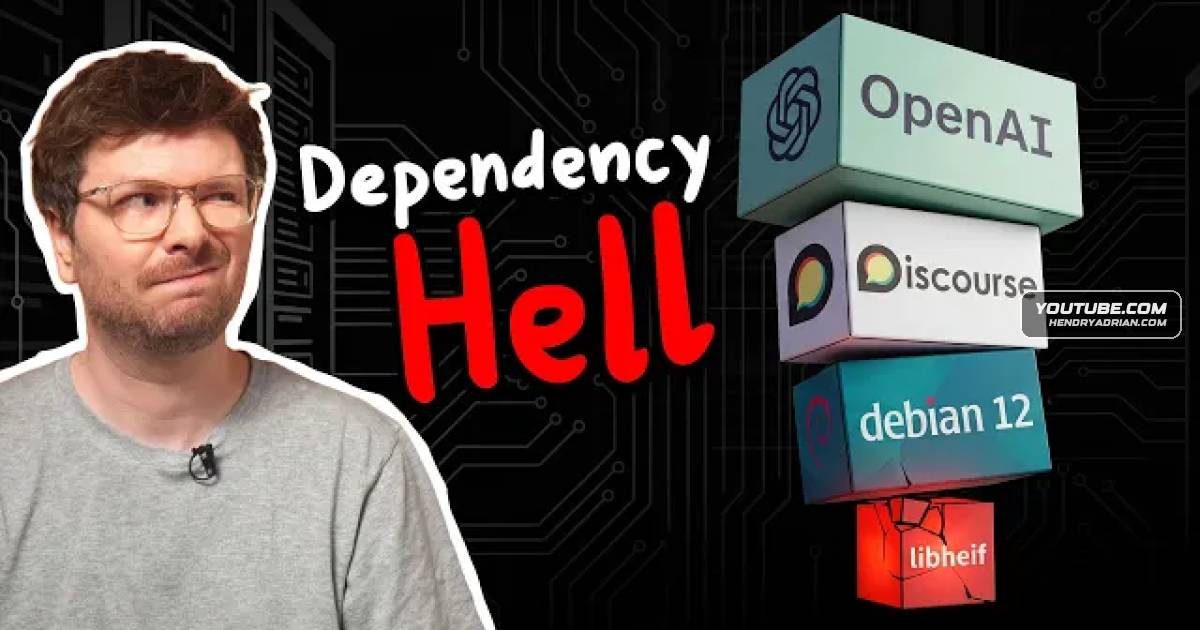
Harsh investigated how an outdated Libheif dependency in Discourse’s Debian-based image reportedly left OpenAI vulnerable. The video explains how an AI agent helped inspect the code and why fixes took time to reach downstream packages.
Key points
- Researcher Harsh chose Discourse as a target and focused on its dependencies, including Libheif, which handles HEIF images through ImageMagick.
- The transcript says Discourse parsed HEIF images directly with ImageMagick, making the Libheif version an important part of the application’s exposure.
- Harsh used an AI agent in a Docker container to inspect the installed Libheif package; it flagged a suspicious code commit, while the vulnerability details are deferred to a later video.
- The video describes a delay between a Libheif fix and its availability through downstream Debian packages, in part because distribution releases and package versions are managed on separate schedules.
- It says the Debian 13 backport arrived after the reported July 2026 OpenAI hack, and that switching Discourse to Debian 13 would not have prevented it.
- The video says Discourse addressed the dependency issue by installing a specific Libheif version rather than relying on the distribution package, while noting that this requires ongoing updates.
Article Details
- Topics
- [00:43] Choosing Discourse and investigating image-processing dependencies
- [03:04] Checking the installed Libheif version and using an AI agent to inspect code
- [05:04] How vulnerability fixes propagate through Libheif and Debian releases
- [08:07] Discourse’s Debian base image and the effect of dependency-update timing
- [09:09] Managing and updating application dependencies
People
Products
Debian Linux[05:08] OpenAI uses Discourse. Discourse. Used Debian 12 as the Docker baseDiscourse[00:43] First of all, he selected Discourse as a good target, because it's open source and so muchDocker[03:34] the Libheif version used by Discourse is to look into the running Docker container,ImageMagick[00:57] And Discourse uses ImageMagick, which is historically a dangerous piece of software.libheif[02:44] Libheif somehow felt more promising to him. Also, he remembered seeing that Discourse