
Google Adds Selfie Video as an Account Recovery Option, Raising Deepfake Concerns
Summary
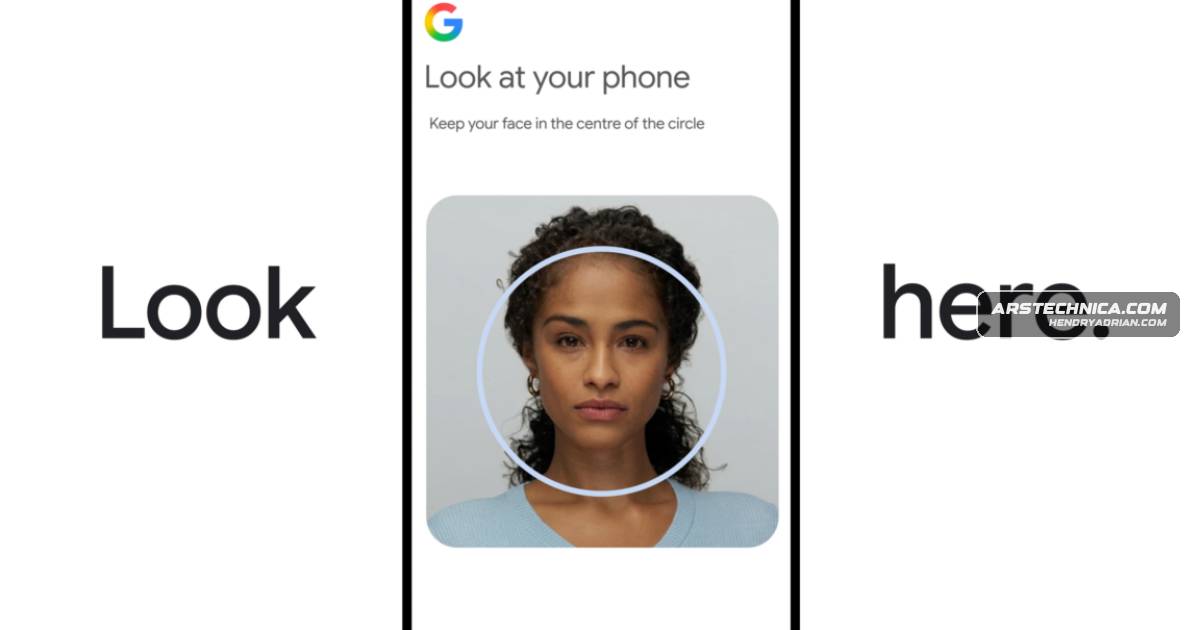
Google lets eligible users set up selfie-video account recovery. The video is stored on Google’s servers; Google says it is encrypted and uses liveness checks and deepfake detection, though the article notes potential risks.
Key points
- Users must record a selfie video in advance to use it for account recovery; the feature is unavailable to Workspace, child, and Advanced Protection accounts.
- Google says it stores the video encrypted and will not use it for other purposes unless users opt in.
- An optional setup toggle allows Google to use the video to improve facial recognition; a spokesperson says this is not required for recovery.
- Recovery involves moving the head to demonstrate liveness, with the resulting video matched against the original recording.
- Google claims it uses multiple measures to detect deepfakes, but the article raises concerns about real-time deepfake impersonation.
- Users can delete the stored video through account settings.
Article Details
- Event Type
- Google introduced selfie-video sign-in as an account recovery option, which users must set up in advance.
- Impact
- The feature stores users’ selfie videos on Google’s servers for identity verification and may also use them for age verification or AI-avatar creation. Use of videos to improve facial recognition is optional. Google says it has measures to detect deepfakes, but the article notes concerns about the method’s security; Workspace, child, and Advanced Protection Program accounts are not eligible.