
Stateful Runtime Detections Aim to Keep Pace With AI-Assisted Cloud Attacks
Summary
Sysdig argues stateful runtime detections can correlate container actions to reduce alert noise as cloud attacks accelerate, citing adoption and automation figures from its 2026 report and a Falco rule example.
Key points
- Sysdig says attacks including React2Shell have been exploited within hours of disclosure; its Threat Research Team also reported AI-assisted attacks gaining admin access in eight minutes and stealing credentials in three.
- Sysdig describes JADEPUFFER as the first agentic ransomware operation to autonomously run a destructive database extortion playbook.
- Stateful detections correlate related events—such as opening a container shell, downloading a binary to /tmp, and executing it—to distinguish suspicious behavior from routine activity and reduce alert noise.
- The article provides a Falco example using observations and linked process sessions to detect a package manager launched from a container shell.
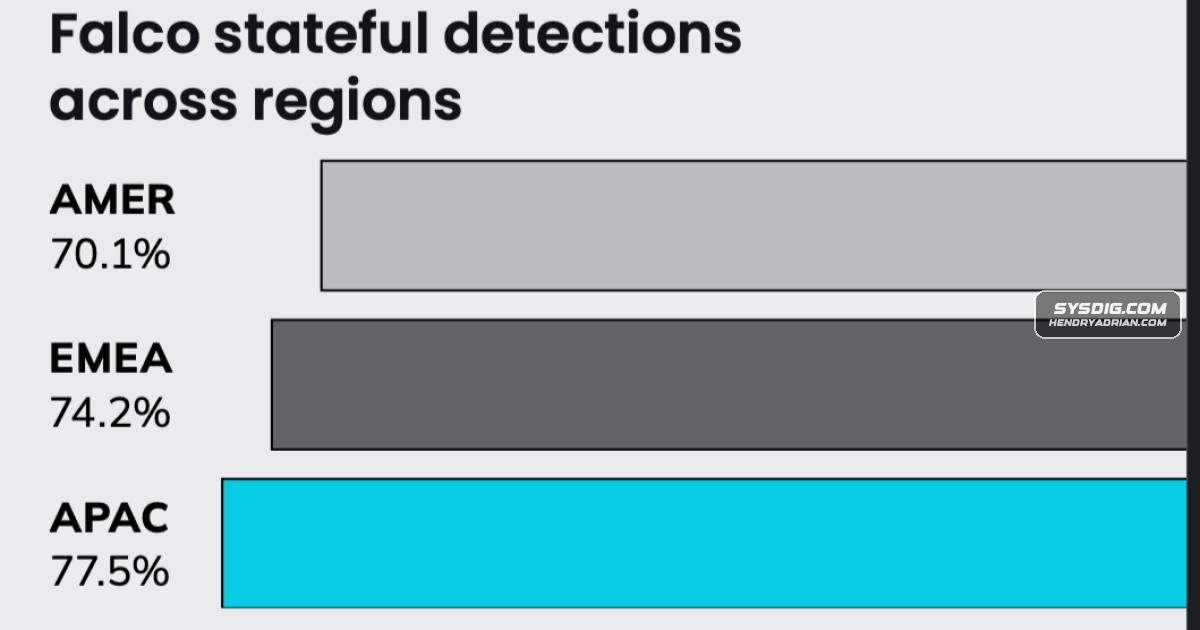
- Sysdig’s 2026 cloud-native security and usage report says 70% of organizations use stateful detections, covering 91% of cloud environments among adopters.
- The same report says 75% of organizations have automated response actions configured, but only 27% have enabled them; Sysdig cites trust in detection quality as a barrier.
- Sysdig reports a 140% increase in organizations using kill -9 after a threat detection alert and a 28% increase in organizations choosing to kill a container rather than pause or stop it.
Article Details
- Defense Focus
- Use stateful runtime detections to correlate cloud-native process activity, distinguish malicious behavior from routine operations, and support trusted, timely response.
- Detection Methods
- Correlate a terminal shell opening in a container with subsequent package-manager activity.
- Detect the sequence of opening a shell, downloading a binary to /tmp, and executing it.
- Link observations by shared process or session identifiers to build higher-confidence alerts.
- Data Sources
- Syscall telemetry, including execve events
- Process and session identifiers
- Container shell and process activity
- Rule Types
- Stateful Falco rules using observations and obs.occurs/obs.link conditions
- Platforms
- Falco agent
- Sysdig Secure
- Defensive Actions
- Use correlated, higher-confidence detections to reduce false positives and investigation time.
- Build trust in detection signals before enabling automated response actions.
- For detected threats, organizations report killing processes or containers rather than pausing or stopping them.