
Lawsuits accuse delivery robot operators of scanning customers without consent
Summary
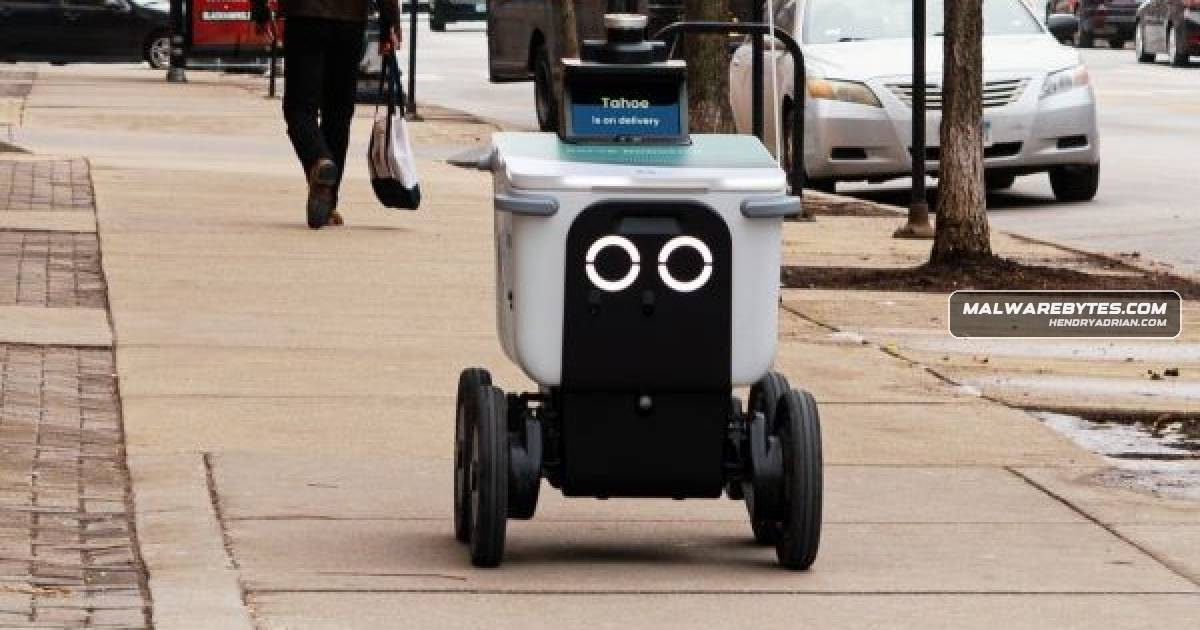
Two Chicago lawsuits allege Coco Robotics and Serve Robotics delivery bots collected customers’ face and hand data without consent, potentially violating Illinois’ biometric privacy law. Both companies dispute the allegations.
Key points
- Separate lawsuits filed in Cook County allege that Coco and Serve delivery robots scanned customers using cameras and LiDAR.
- The complaints claim the collected data was stored with identifying details and used or licensed for AI model training.
- The Serve complaint also alleges its robots collect audio; it cites company filings about licensing video and LiDAR data to third parties.
- Coco denies collecting biometric data in Chicago and says shared data is navigational; Serve says its systems are not designed to identify people or create biometric profiles.
- Whether the captured data qualifies as biometric information under Illinois law is central to the cases.
- Each proposed class action seeks $1,000 per class member for negligent violations or $5,000 for intentional or reckless violations.
Article Details
- Event Type
- Two class-action lawsuits allege that delivery robot operators Coco Robotics and Serve Robotics unlawfully collected customers’ biometric data in Chicago.
- Impact
- The complaints allege that robots scanned customers’ faces and hands and collected video, LiDAR, and, for Serve robots, audio without consent, and that the data was stored or used for AI model training and shared or licensed to third parties. Both companies dispute the allegations. The lawsuits seek statutory damages under Illinois’ biometric privacy law.
People
Products
DoorDashMitchell Breidinger ordered DoorDash groceries in September 2025. A Coco robot, operated by Coco Robotics, made the delivery. To collect it, he had to stand within about a meter of the robot’s cameras and LiDAR sensorGrubhubon October 4, makes similar claims in his complaint. The company fulfills food delivery orders for both Grubhub and Uber Eats, it says, noting (unlike the complaint against Cyan) that these robots also collect audio.Uber EatsBarry Schain filed a similar complaint against Serve Robotics, which sent one of its robots to deliver his Uber Eats order.
Industries
Food deliverydelivery from a Serve robot on October 4, makes similar claims in his complaint. The company fulfills food delivery orders for both Grubhub and Uber Eats, it says, noting (unlike the complaint against Cyan) that theseRoboticsTheir separate lawsuits accuse delivery robot operators Coco Robotics and Serve Robotics of violating Illinois’ biometric privacy law. Both companies dispute the claims.