
Criminologist Nicola Harding on Scam Psychology and Fraud Prevention
Summary
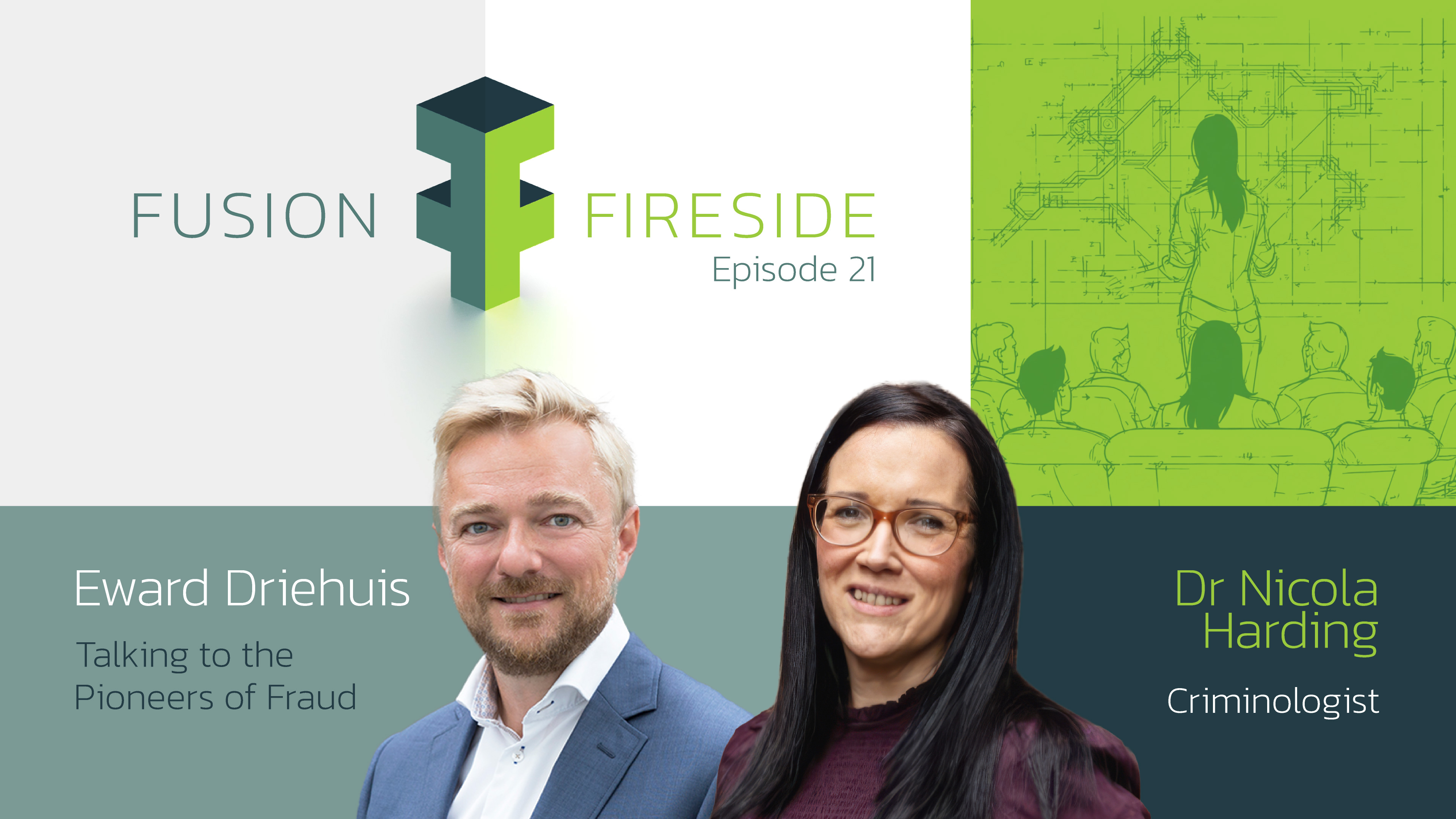
Criminologist Nicola Harding discusses scam psychology, social engineering, fraud prevention, and ways to reduce harm, including avoiding PIN reuse and making it easier for victims to report scams.
Key points
- Harding says fraud, money laundering, malware, and organized crime increasingly operate as interconnected ecosystems.
- As technical defenses improve, criminals increasingly target people through social engineering.
- Reusing a PIN across a phone and banking apps can expose accounts if a device is stolen or compromised.
- Reducing friction in banking and digital services can also remove barriers that deter criminals.
- Shame can delay scam reporting; education and clear support may help people seek assistance sooner.
- The discussion highlights how biased or unrepresentative AI training data can reproduce societal inequalities.
Article Details
- Topic
- Discussion of scam psychology, fraud prevention, and the human and systemic factors that enable financial crime.