
Russian Darknet Marketplaces and Forums: RAMP, Hydra, MEGA and RuTor
Summary
The article surveys Russian darknet marketplaces and forums, describing vendor migration after RAMP’s closure, illicit goods and hacking software listings, and the communities’ marketplace and discussion features.
Key points
- After RAMP closed, vendors moved to other marketplaces; the Consortium service sought to reconnect verified former RAMP vendors.
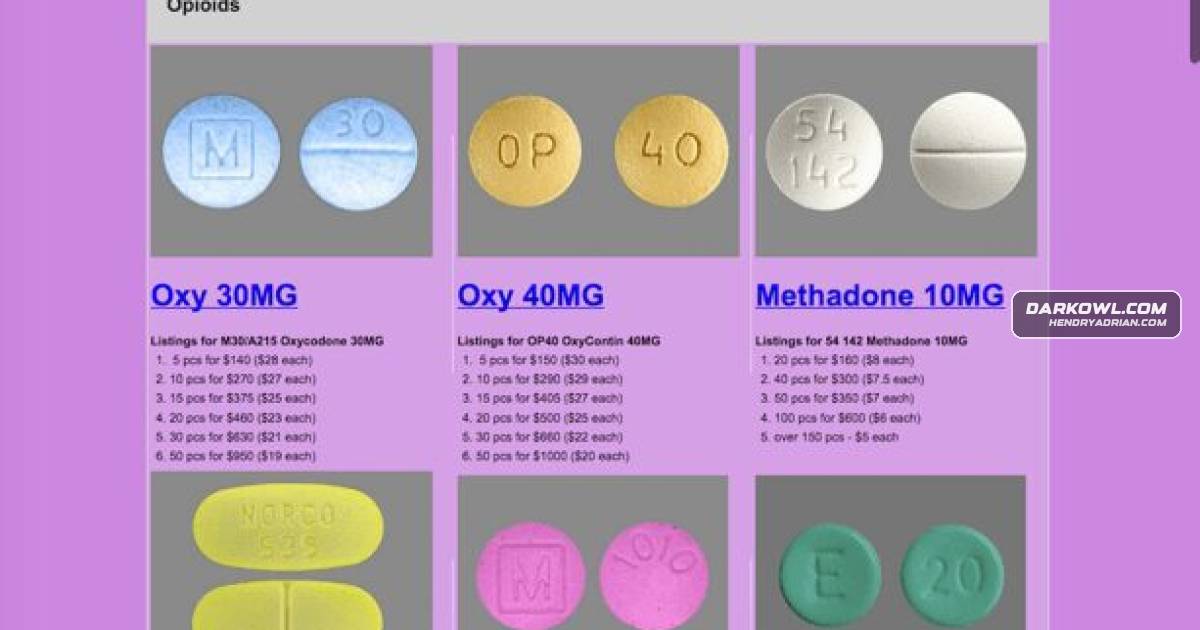
- The article describes Hydra and MEGA as marketplaces offering drugs and digital goods, including databases, carding-related products, and ready-to-use hacking software.
- Hydra used vendor fees and buyer-vendor communication before approving orders; the article says these practices were intended to reduce scams and law-enforcement entrapment.
- Wayaway and RuTor used forum-style layouts alongside marketplace features; RuTor also had sections for security, news, and vendor shops.
- Runion focused on criminal-topic discussions, including operational security, hacking, and telecommunications security.
- The article notes that some hidden services used captchas and other bot-detection measures to restrict automated collection.
Article Details
- Topic
- Russian darknet marketplaces and forums, their activities, and the movement of users and vendors between platforms
Countries
BelarusMEGA has a wide range of illicit drug offerings in their market catalog including items ranging from marijuana to opiates with delivery across the Eastern Slavic language countries of Russia, Ukraine, and Belarus.RussiaRussia’s presence on the Tor network is most well-known for the historical darknet forum & marketplace, RAMP — Russian Anonymous Marketplace — which was reportedly seized last July after a surprising effort by theUkraineMEGA has a wide range of illicit drug offerings in their market catalog including items ranging from marijuana to opiates with delivery across the Eastern Slavic language countries of Russia, Ukraine, and Belarus.