
How Fraud Operates Across the Darknet
Summary
An educational overview of darknet fraud explains traded financial and identity data, common fraud methods such as smishing and SIM swapping, and how criminals use stolen information to make purchases or move money.
Key points
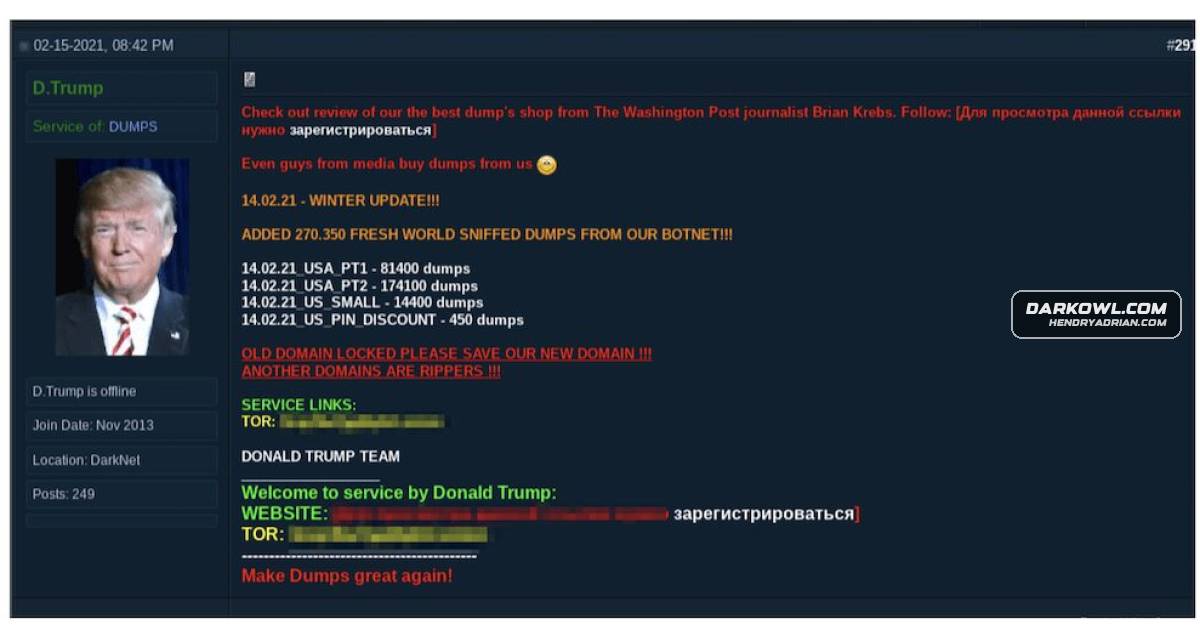
- The article defines commonly traded items including CVVs, BINs, card dumps, fullz, and bank drops, which can contain payment or personally identifiable information.
- Stolen account and card data may be used for account takeovers, unauthorized purchases, cash withdrawals, or transfers through money mules.
- Smishing uses SMS messages to lure victims into sharing information or installing malware; SIM swapping redirects a victim’s calls and texts and can put SMS-based two-factor authentication at risk.
- Skimming devices capture card data during legitimate transactions, while fraudsters may later use or resell the stolen information.
- The article recommends monitoring accounts and credit reports; it says authenticator apps are safer than relying solely on SMS for two-factor authentication.
- DarkOwl reports observing increased fraud targeting government benefit programs during the pandemic and cites a USA Today estimate of $36 billion stolen from U.S. unemployment benefits.
Article Details
- Topic
- Darknet fraud markets and common methods, including carding, stolen identity data, account takeover, SIM swapping, and government-benefit fraud.