
Darknet Networks Enable a Range of Retail Fraud and Phishing Schemes
Summary
DarkOwl describes retail fraud methods observed in underground networks, including refund schemes, POS malware, counterfeit goods, phishing sites, stolen gift cards and tactics targeting retailers and consumers.
Key points
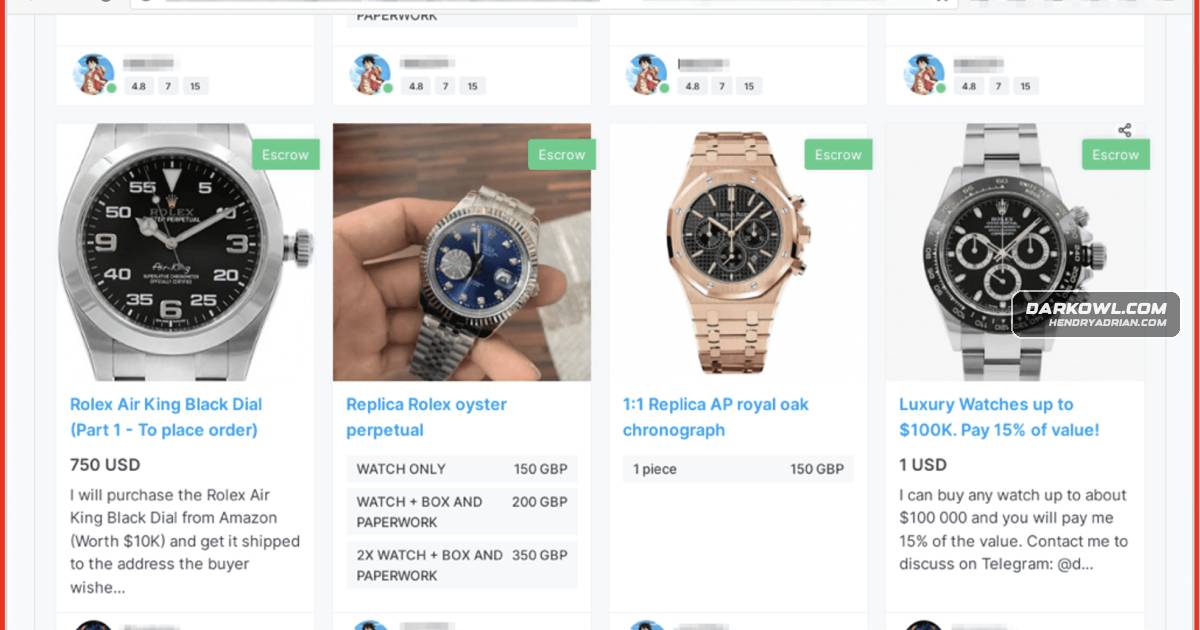
- The article describes bots that exploit mispriced online products and resell them, as well as counterfeit goods offered on darknet marketplaces.
- Social engineering schemes include employees providing unauthorized discounts or refunds and criminals offering refund services.
- Refund fraud methods discussed include false non-delivery claims, empty-box claims, fake tracking IDs, wardrobing and fabricated receipts.
- The article says threat actors use POS malware to manipulate prices and use fake retail websites and phishing messages to steal credentials and financial or personal information.
- Underground sellers offer phishing kits, fake websites and website certificates, while gift cards and loyalty rewards are also stolen or counterfeited.
- DarkOwl recommends that retailers monitor underground forums and educate employees, but the article does not provide specific detection or mitigation procedures.
Article Details
- Topic
- Retail fraud methods discussed in darknet and underground criminal communities
MITRE ATT&CK
Countries
BrazilFigure 12: Wal-Mart phishing site deployed in Brazil, Source: phishtank.orgChinaThe illicit trade of counterfeit goods is a long proven multi-billion-dollar international industry – which according to counterfeit experts, continues to be led by China.Russia• Recording service to our USB Token and shipping across Russia – $200
Industries
E-commerceWith a shift towards more e-commerce-centric shopping environments, virtual retail fraud at scale has surged and darknet cyber criminals are at the crux of this fraud economy.RetailThe simplest way to describe retail fraud is theft from a commercial retail establishment resulting in financial loss and harm to the retailer.