
Data Privacy Basics: Protecting Personal Information from Exposure and Misuse
Summary
An overview of data privacy describes how personal information is exposed and traded on darknet markets, then offers individuals and businesses practical steps to reduce data-protection risks.
Key points
- The article defines data privacy as proper handling of sensitive information and explains that individuals should understand what data they share and how it is used.
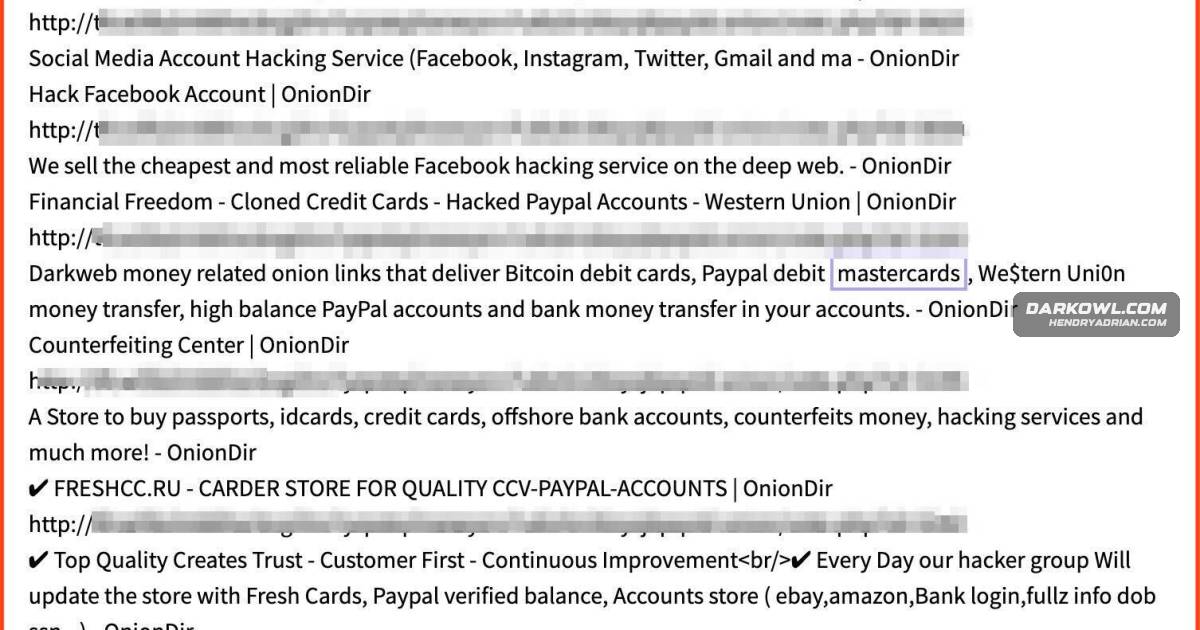
- It cites studies on cybercriminal interest in personally identifiable information and describes DarkOwl’s database figures for exposed records, credentials, IP addresses, and payment-card data.
- The article says criminals may combine exposed personal, account, and financial information to exploit payment details.
- For individuals, recommendations include using unique passwords, a password manager, MFA for important accounts, and caution with phishing.
- For businesses, it recommends identifying critical data, limiting access, encrypting it, logging and alerting on activity, training staff, and managing third-party access.
- DarkOwl describes its own privacy and data-handling practices, including not saving customer search and query information; these are company claims.
Article Details
- Defense Focus
- Protecting personal and customer data from exposure, misuse, and financial exploitation, with darknet monitoring as a way to identify exposed information.
- Detection Methods
- Monitor darknet data for exposed customer or employee information.
- Audit and assess which data is most vital to protect.
- Log actions and alert appropriate personnel to relevant events.
- Monitor third-party access and assess risks at vendors that store customer data.
- Data Sources
- Darknet and deep-web data
- System and access-action logs
- Third-party access activity
- Platforms
- DarkOwl Vision UI
- Defensive Actions
- Apply least-privilege access controls to sensitive data.
- Encrypt sensitive data.
- Use an alerting system that logs actions and notifies appropriate personnel.
- Train employees on security.
- Protect on-premises data with physical safeguards.
- Keep software up to date and routinely check applicable industry standards.
- Monitor third-party access; assess vendor risks and restrict vendor email communications and network privileges as appropriate.
- Use unique passwords, a password manager, and multi-factor authentication for important accounts.
Vendors
Products
1PasswordUse an automated complex password manager like Lastpass, Bitwarden, or 1PasswordBitwardenUse an automated complex password manager like Lastpass, Bitwarden, or 1PasswordDarkOwl APIFor example, customer search and query information process by the DarkOwl API offerings is not saved or logged for any period.LastPassUse an automated complex password manager like Lastpass, Bitwarden, or 1Password