
DarkOwl Reports Darknet Discussions Promoting Romance Scams and E-Whoring
Summary
DarkOwl analysts describe darknet discussions promoting romance scams and e-whoring, including guides and victim data. The article also cites 2022 reported losses and advises people to verify online contacts and avoid sending money.
Key points
- The article cites FBI IC3 figures of 19,000 romance-scam complaints and at least $739 million in reported losses in 2022; FTC figures cited are nearly 70,000 reports and $1.3 billion in losses.
- DarkOwl analysts observed a post on the Exploit darknet forum asking how to target more than 3,000 contacts through dating apps; replies reportedly recommended romance scams and ways to receive money.
- The article says people seek data on prior scam victims, though its intended use is unclear and could include re-victimization.
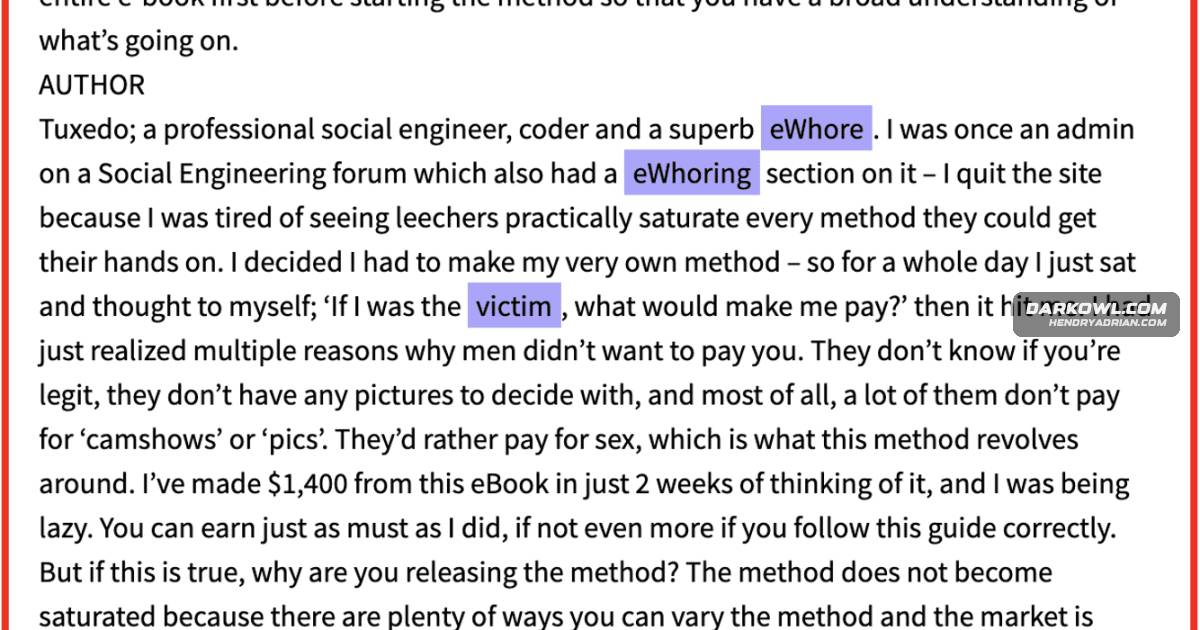
- DarkOwl describes e-whoring as selling or trading other people’s nude images, or impersonating people in those images to conduct further attacks. Forum guides reportedly cover setting up websites, fake IDs, and communications with victims.
- The article describes victims sharing scam experiences and personal information about alleged perpetrators, including calls for others to contact one person. It cautions readers against revenge doxxing.
- Recommended precautions include telling a trusted person about online relationships, meeting in a public place, checking profile images with reverse-image search, and not sending money before verifying someone’s identity.
Article Details
- Event Type
- Darknet research report on romance scams and related e-whoring activity
- Impact
- Romance scams cause financial and emotional harm. The article cites 2022 estimates of 19,000 complaints and at least $739 million in reported losses from the FBI’s IC3, and nearly 70,000 reports totaling $1.3 billion in losses from the FTC. It also describes victims being doxxed or targeted for further harassment.
Products
DiscordJust two days ago, DarkOwl analysts observed users of a Discord channel discussing the potential of romance scams, claiming that this scam is likely more popular around the holiday.TelegramIn addition, perpetrators will use the dark web in order to sell “nude packs.” Telegram is also a popular vector to sell this data with packs being sold for as little as 15 Euros.