
How Information Stealers Are Structured to Steal Data and Evade Detection
Summary
A DarkOwl explainer outlines common information-stealer modules for command-and-control, data collection, encryption, exfiltration, and evasion, and describes how they can support credential and financial-data theft.
Key points
- The article describes a modular architecture with core engine, communication, data collection, encryption, exfiltration, and evasion components.
- Stealers may collect credentials, personal and financial information, device details, and data from browsers, system files, and installed apps.
- Communication modules can receive commands from a C2 server and transmit stolen data through covert channels.
- Encryption may protect stolen data in transit and hinder interception or detection.
- The article identifies polymorphism, obfuscation, anti-debugging, and checks for virtualization or analysis tools as evasion techniques.
- It presents these behaviors as general examples, not analysis of a specific stealer or campaign.
Article Details
- Topic
- Engineering architecture and common behaviors of information-stealing malware
MITRE ATT&CK
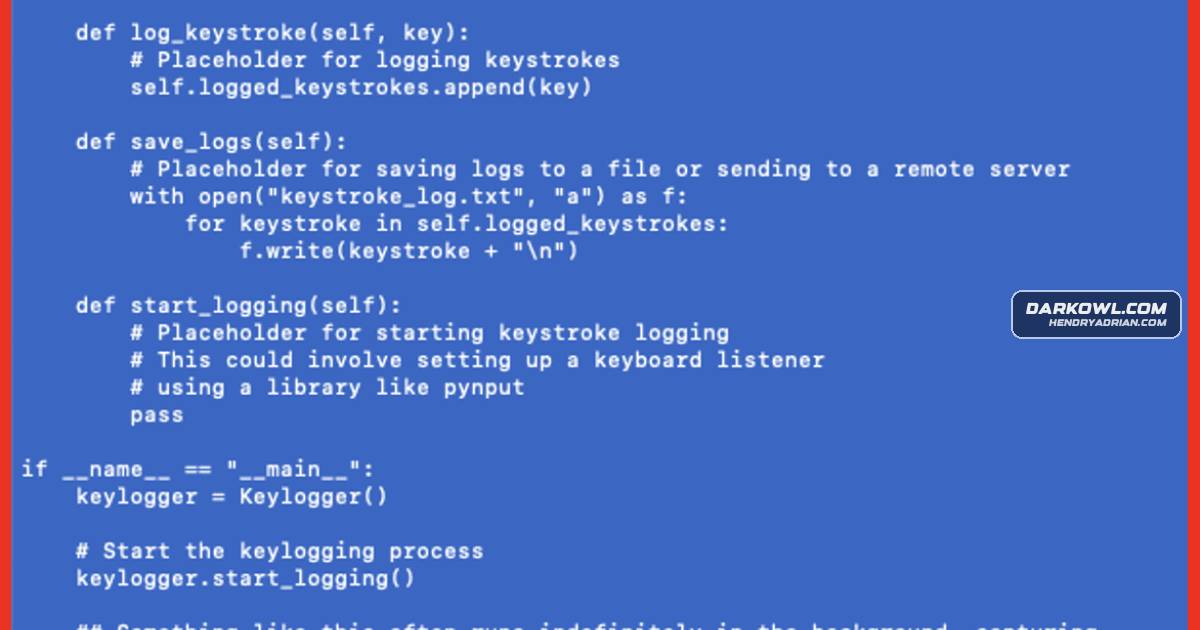
T1027 · Obfuscated Files or InformationObfuscation is listed as an evasion technique used to hide malware.T1041 · Exfiltration Over C2 ChannelThe described modules transmit stolen data through the communication channel established with the C2 server.T1056.001 · KeyloggingThe article describes capturing and logging keystrokes.T1189 · Drive-by CompromiseDrive-by downloads are listed as a common means of compromising systems.T1497 · Virtualization/Sandbox EvasionThe article describes detecting virtualization and sandboxing to evade analysis.T1566.001 · Spearphishing AttachmentPhishing emails are listed as a common means of compromising systems.